
Broken Blinds? Here’s When to Fix Them and When to Replace Them
When a blind stops working, the first instinct is to find a fix. That’s a reasonable starting point — but for most blind failures, repair isn’t as accessible as homeowners

Discover high-quality, affordable window treatments with your local, shop-at-home service.

Discover high-quality, affordable window treatments with your local, shop-at-home service.






Peace of mind with every install
Proudly serving Long Island
for over 10 years
We don’t leave until it’s perfect
5-Star Reviews on Google
| Feature | Long Island Custom Blinds | Big Box Stores |
|---|---|---|
| Free In-Home Consultation | Yes — we bring the showroom to you | No — visit the store and DIY |
| Custom Measurements | Every window is precisely measured | Often relies on standard sizes |
| Design Guidance | Expert help choosing colors, styles, and materials | You're on your own |
| Product Quality | Premium materials built to last | Often mass-produced, lower quality |
| Professional Installation | Offered with every order | May require 3rd party or self-install |
| Local Support & Service | Speak directly with your installer/designer | 1-800 number or store associate |
| Speed & Flexibility | Quick turnaround & flexible scheduling | Delays and rigid systems |
| Lifetime Client Relationship | We're your go-to for future projects & upgrades | One-and-done sale |
| Reputation in the Community | 5-Star reviews from Long Island homeowners | Mixed reviews, impersonal service |
| Pricing Transparency | Clear estimates — no surprise fees | Hidden fees for delivery or install |
| Value for Money | High quality at competitive prices | Lower upfront, higher long-term cost |
| Feature | Long Island Custom Blinds | Big Box Stores |
|---|---|---|
| Free In-Home Consultation | ✓ | × |
| Custom Measurements | ✓ | × |
| Design Guidance | ✓ | × |
| Product Quality | ✓ | × |
| Professional Installation | ✓ | × |
| Local Support & Service | ✓ | × |
| Speed & Flexibility | ✓ | × |
| Lifetime Client Relationship | ✓ | × |
| Reputation in the Community | ✓ | × |
| Pricing Transparency | ✓ | × |
| Value for Money | ✓ | × |
From cozy entryways to bright kitchens, get inspired by these curated looks and make every room feel like home.

Brighten your cooking space with blinds and shades that bring warmth, style, and light control to every meal.

Create a cozy retreat with blackout or light-filtering shades that help you rest and recharge in comfort.

Frame your view beautifully with drapes and blinds that balance natural light and privacy for everyday living.
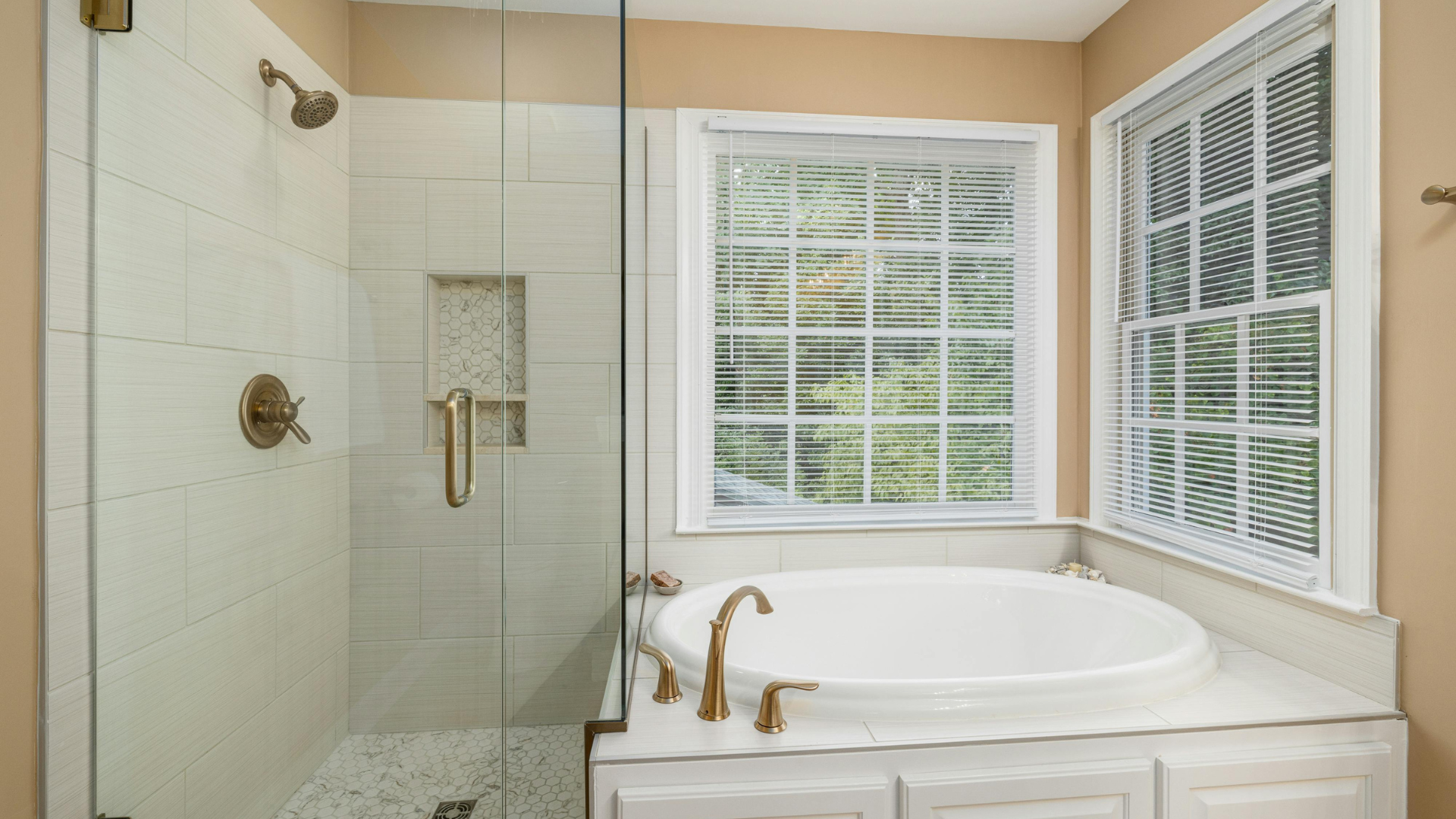
Enjoy moisture-resistant window treatments that add privacy and durability without sacrificing design.

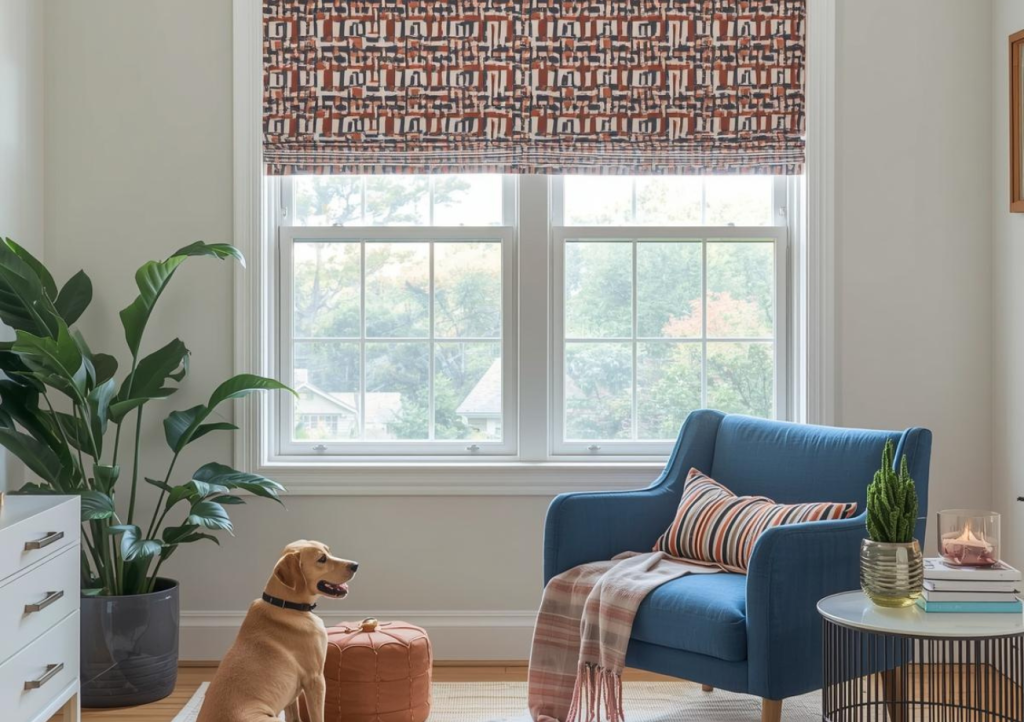
Keep playtime safe and stylish with cordless shades designed for light control, safety, and fun patterns.
Peace of mind with every install
Proudly serving Long Island
for over 10 years
We don’t leave until it’s perfect
5-Star Reviews on Google

We make finding the perfect window treatments easy with our shop-at-home service. Simply schedule a free consultation, and we’ll bring a wide selection of shades, blinds and shutters samples directly to your home. This allows you to see samples in your space, ensuring they fit perfectly with your décor and lighting.

Our experts will provide personalized recommendations, take precise measurements, and offer transparent, affordable pricing—without the hassle of visiting a showroom.

We offer installation, so you can enjoy a seamless, custom-fit solution, all while saving time and money. Experience the convenience of choosing quality window treatments from the comfort of your home.
Pair financing with our free in-home consultation, expert measuring,
and professional installation for a smooth, stress-free experience from start to finish.


Finding the right window blinds near you doesn’t have to be a challenge. At Long Island Custom Blinds, we make the process simple by offering in-home consultations, expert recommendations, and precise measurements to ensure a perfect fit.
Our team serves all of Sea Cliff and the surrounding areas, bringing samples directly to your door so you can see how different styles will look in your space.
From modern designs that maximize natural light to blackout options for bedrooms, we have something for every need and budget. Plus, with our professional installation services, you can rest assured that your window shades, blinds, or shutters will be securely mounted and built to last.





Clinging to dramatic bluffs overlooking Hempstead Harbor and Long Island Sound approximately 25 miles east of Manhattan, Sea Cliff represents one of Long Island’s most distinctive communities—a compact Victorian village whose steep terrain, historic architecture, artistic heritage, and bohemian sensibility create character fundamentally different from the affluent estate communities and conventional suburbs surrounding it. With a population of approximately 5,000-5,200 residents compressed into merely 1.1 square miles, Sea Cliff maintains urban density rarely found on Long Island while preserving small-town intimacy and architectural heritage that evoke an earlier era of American community life. The village exists as a kind of temporal anomaly: a place where Victorian houses cascade down hillsides toward the water, where narrow streets wind past artists’ studios and eclectic gardens, and where residents have consciously chosen character and community over the sprawling lots and homogeneous development defining most North Shore suburbs.
The name “Sea Cliff” straightforwardly describes the village’s defining geography—dramatic cliffs rising from Hempstead Harbor’s eastern shore to heights exceeding 200 feet, creating views across the water toward Sands Point and beyond to Long Island Sound and Connecticut’s distant shore. This geography shaped everything that followed. In 1871, the Metropolitan Camp Ground Association—a Methodist organization—established a summer religious camp meeting grounds on the bluffs, seeking the elevated terrain, cool sea breezes, and moral remove from urban temptations that Victorian reformers valued. The camp meeting model, borrowed from similar developments at Oak Bluffs on Martha’s Vineyard and Ocean Grove in New Jersey, created distinctive settlement patterns: small lots, closely-spaced cottages, narrow winding streets following topography rather than grids, and community gathering spaces for religious and social activities. As the religious orientation gradually faded through the late 19th and early 20th centuries, the physical forms remained, creating the dense, walkable, architecturally distinctive village visible today.
Sea Cliff incorporated as a village in 1883, transitioning from summer religious retreat to year-round residential community while maintaining the intimate scale and distinctive character that camp meeting origins created. Throughout the 20th century, the village attracted artists, writers, musicians, and others drawn to affordable housing in charming settings, creating the bohemian cultural reputation that persists alongside more recent gentrification. Today’s Sea Cliff exists in creative tension: historic preservation advocates protecting Victorian heritage, artists and creative types maintaining bohemian traditions, affluent professionals attracted by village character and school quality, and longtime residents watching property values rise beyond what longtime families can afford. This tension—between preservation and change, between artistic community and affluent suburb, between accessibility and exclusivity—defines contemporary Sea Cliff’s identity and politics.
Sea Cliff’s demographic profile reveals a community in transition, where historic patterns of artistic, middle-class, and working-class residents gradually give way to affluent professionals attracted by village character, waterfront location, and school district quality, while meaningful diversity persists compared to surrounding North Shore communities.
The population of approximately 5,000-5,200 residents has remained remarkably stable for decades, constrained by the village’s tiny geographic footprint (1.1 square miles), largely built-out character, and limited available land for development. This stability reflects the village’s maturity—Sea Cliff developed primarily in the late 19th and early 20th centuries, with relatively little new construction since—and the preservation orientation that resists intensive development. Population fluctuations reflect household composition changes (fewer children per family, more empty-nesters) rather than new housing construction.
Racial and ethnic composition shows modest diversity that exceeds some North Shore communities while remaining predominantly white. White residents comprise approximately 85-88% of the population—higher than Great Neck or East Hills but comparable to or slightly lower than Manhasset. Hispanic or Latino residents represent roughly 6-8% of the population, a meaningful presence reflecting both longtime families and more recent immigration. Asian residents account for approximately 3-5%, and Black or African American residents comprise roughly 2-3%. This composition reflects Sea Cliff’s history as middle-class and working-class community rather than exclusively wealthy enclave, though demographic patterns are shifting as property values rise and lower-income residents face displacement.
Arguments explaining Sea Cliff’s demographic patterns:
Historic accessibility creating diverse resident base: Unlike communities that developed as exclusive enclaves from inception, Sea Cliff’s camp meeting origins and subsequent working-class and artistic character created accessible housing stock attracting diverse residents. The village never enforced restrictive covenants or maintained the social gatekeeping that kept other North Shore communities homogeneous. This historical openness created demographic diversity that persists even as gentrification pressures mount.
Housing stock variety: Sea Cliff contains remarkable housing diversity within its small area: Victorian cottages of 1,200-1,800 square feet, larger Victorian homes of 2,500-4,000 square feet, some grander residences approaching estate scale, modest bungalows, multi-family structures, and some apartment buildings. This variety creates entry points at various price levels (though “affordable” increasingly means $500,000-700,000 for modest properties). Multi-family housing and smaller homes enable moderate-income residents to access the community in ways impossible where only large single-family estates exist.
Artistic and creative community traditions: Sea Cliff’s reputation as artists’ colony attracted creative individuals throughout the 20th century—painters, sculptors, musicians, writers, craftspeople—who valued affordable housing, community character, and tolerance for unconventional lifestyles. This population created cultural infrastructure (galleries, studios, performance spaces, community organizations) and community ethos valuing diversity and eccentricity. While gentrification increasingly prices out artists, the cultural legacy persists in community character and resident attitudes.
Geographic constraints limiting development: The dramatic topography—steep bluffs, ravines, irregular terrain—prevents the large-scale development that transforms communities more rapidly. New construction opportunities remain limited, meaning demographic change occurs gradually through property turnover rather than suddenly through subdivision development. This gradual pace allows community integration of new residents and preservation of existing community character.
Household income and wealth levels have risen substantially in recent decades as gentrification transforms the community, though meaningful variation persists. Median household income estimates range from $120,000 to $150,000—well above national medians and comparable to affluent Long Island communities, though below the most exclusive North Shore villages. However, these medians obscure significant internal variation. Sea Cliff contains both affluent professionals with household incomes of $250,000-400,000+ and longtime residents—artists, retirees, teachers, tradespeople—with more modest incomes of $60,000-100,000. This economic diversity distinguishes Sea Cliff from purely affluent communities, though the diversity diminishes as property values rise and lower-income residents sell or pass away.
Home values have appreciated dramatically, transforming Sea Cliff from affordable artists’ colony to expensive North Shore address. Properties now typically range from $500,000-700,000 for modest cottages to $1.5-3 million+ for larger homes with water views, with exceptional waterfront or historically significant properties occasionally exceeding $4-5 million. These prices represent enormous appreciation from earlier decades when artists and middle-class families could afford purchase. Annual property taxes typically range from $12,000-25,000+, creating ongoing costs that require substantial income to sustain. The appreciation creates wealth for longtime owners while pricing out younger families, artists, and others who historically comprised Sea Cliff’s population.
Age distribution shows a mature profile with median age around 44-48 years, reflecting both families with school-age children and substantial numbers of empty-nesters and retirees. The village contains fewer young children than in earlier decades, as family sizes have decreased and young families find affordability challenging. Longtime residents who purchased decades ago have aged in place, contributing to older median age. Some younger professionals attracted by village character have purchased in recent years, providing modest generational renewal.
Educational attainment runs high, with bachelor’s degree attainment approaching 60-65% and graduate/professional degrees held by roughly 25-30% of adults. These figures exceed national and state averages, reflecting the professional character of much of the current population. However, Sea Cliff historically contained more educational diversity—artists without formal credentials, tradespeople, working-class families—and this diversity, while diminishing, hasn’t entirely disappeared.
Housing characteristics reflect Sea Cliff’s unique development history and topography. The housing stock consists predominantly of Victorian-era structures (roughly 1870s-1920s) with distinctive architectural character: varied rooflines, decorative woodwork, wraparound porches, bay windows, and eclectic design reflecting the exuberance of Victorian domestic architecture. Lots are small by North Shore standards—typically 0.1-0.3 acres—creating dense, walkable streetscapes. Streets follow topography rather than grids, winding up and down hillsides, creating intimate, varied streetscapes unlike typical suburban development. Multi-family structures and smaller homes provide housing diversity, though single-family homes predominate.
The dramatic topography creates varied living experiences. Properties on the bluffs command spectacular harbor and Sound views but require negotiating steep terrain and often lack level yard space. Properties in lower elevations or interior locations offer more conventional suburban living but lack the views and dramatic setting defining Sea Cliff’s identity. Waterfront properties along the harbor enjoy direct water access but face flooding, erosion, and storm surge concerns that climate change intensifies.
Education in Sea Cliff operates through the North Shore Central School District, which serves Sea Cliff along with Glen Head, Glenwood Landing, and portions of other nearby communities. The district’s solid reputation attracts families to Sea Cliff while the village’s character creates distinctive educational experiences different from larger, more homogeneous suburban districts.
North Shore Central School District operates Sea Cliff Elementary School (serving the village’s K-5 students), North Shore Middle School (grades 6-8), and North Shore High School (grades 9-12). Total district enrollment approaches 2,400-2,600 students across all schools, creating intimate scale that enables personalized attention while providing sufficient enrollment to support comprehensive programming.
Sea Cliff Elementary School serves as the village’s most significant public institution, creating shared experiences for Sea Cliff families and functioning as community gathering point beyond educational purposes. The school’s location within the village means students walk to school through Sea Cliff’s distinctive streetscapes, creating community connection impossible in car-dependent suburban districts. School events, performances, and activities draw community participation extending beyond families with current students.
Academic performance metrics place North Shore among Long Island’s stronger districts, though not quite at the elite levels of Manhasset, Jericho, or the highest-performing districts:
SAT scores average approximately 1250-1300 (out of 1600)—well above the national average of about 1050 and comparable to strong suburban districts. Graduation rates approach 96-97%, exceeding state and national averages. College attendance exceeds 90% of graduates, with students pursuing diverse post-secondary pathways including selective four-year colleges, state universities, liberal arts colleges, and various other institutions.
Per-pupil expenditures exceed $30,000 annually—among the higher rates in New York State and roughly double the national average. This substantial spending supports small class sizes, competitive teacher compensation, comprehensive programming, and strong extracurricular offerings.
Advanced Placement participation runs moderately high, with the district offering AP courses across subjects. The smaller district size means somewhat fewer AP offerings than the largest districts, but core subjects are well-covered. Pass rates on AP exams exceed state averages.
Arguments supporting North Shore schools’ quality:
The district delivers genuinely strong educational outcomes substantially exceeding state and national averages. Small district size enables personalized attention and community connection impossible in larger systems. Sea Cliff Elementary’s village integration creates educational experiences extending beyond classroom walls—students engage with local history, community organizations, and village character. Teacher quality appears strong, supported by competitive compensation and desirable working conditions. Parent involvement and community support for education create home environments reinforcing school efforts. The district’s demographics, while increasingly affluent, maintain more diversity than purely wealthy districts, providing social experiences beyond economic homogeneity.
Arguments for skepticism or concern:
Academic outcomes, while strong, don’t quite reach the elite levels (1350+ SAT averages, 98%+ graduation rates, exceptional Ivy League placement) of the highest-performing Long Island districts. Some families seeking the very highest academic outcomes may prefer Manhasset, Jericho, or other districts with stronger metrics. The district’s smaller size limits course offerings, extracurricular breadth, and athletic competition levels compared to larger districts. Achievement gaps between different demographic groups exist, suggesting the district succeeds better with some populations than others. Rising property values increasingly price out economically diverse families, potentially creating more homogeneous future student populations.
The balanced assessment:
North Shore schools perform solidly, delivering strong educational experiences that justify the community’s appeal to families with school-age children. The outcomes place the district among Long Island’s better performers while not quite reaching elite levels. Families choosing Sea Cliff for schools make reasonable decisions based on genuine quality, though families prioritizing the very highest academic metrics might prefer other districts. The village’s character creates educational experiences—walkability, community connection, historic engagement—that purely academic metrics don’t capture but that many families value highly.
The artistic and creative education dimension: Sea Cliff’s bohemian heritage creates opportunities for arts education extending beyond school programming. Local artists, musicians, and creative professionals offer lessons, workshops, and mentorship. Community organizations provide cultural programming. The village’s creative atmosphere may encourage artistic development in ways conventional suburbs cannot. Families valuing creative education alongside academics may find Sea Cliff particularly appealing despite imperfect metrics.
Tourism in Sea Cliff operates at modest but meaningful levels, distinguishing the village from both major tourism destinations and purely private residential enclaves. The combination of Victorian architecture, dramatic scenery, artistic heritage, and accessible character creates visitor interest that generates economic activity and community identity while creating tensions around parking, traffic, and changing village character.
Victorian architecture and historic streetscapes constitute Sea Cliff’s primary visual attraction. Walking or driving through the village reveals remarkable concentration of Victorian domestic architecture: Queen Anne cottages with decorative woodwork, Carpenter Gothic structures with pointed arches, Italianate houses with bracketed cornices, and eclectic designs reflecting Victorian exuberance. The density of historic structures—hundreds of late 19th and early 20th-century buildings within one square mile—creates streetscapes of exceptional character. Unlike museum villages with reconstructed or relocated buildings, Sea Cliff presents authentic community where historic structures remain in active residential use, maintained by owners who value their character.
The Sea Cliff Village Museum (located in a historic building) preserves and interprets local history through exhibits, archives, and educational programming. The museum documents the village’s camp meeting origins, Victorian development, artistic heritage, and community evolution. While small, the museum provides educational resources for visitors and residents seeking deeper understanding of Sea Cliff’s distinctive history. Programming includes lectures, walking tours, historical presentations, and special events connecting community to its past.
Arguments supporting Sea Cliff’s architectural significance:
The concentration of intact Victorian architecture represents irreplaceable cultural heritage increasingly rare in American communities. The buildings provide tangible connection to 19th-century American life—camp meeting religious traditions, Victorian domestic ideals, working-class and middle-class housing patterns—educational for visitors and valuable for architectural preservation. The authentic, lived-in character distinguishes Sea Cliff from museum villages where preservation sometimes creates sanitized historical experiences. The architecture attracts visitors, supports property values, and creates community identity differentiating Sea Cliff from generic suburbs.
Arguments acknowledging limitations:
The architecture, while distinctive, may not justify destination tourism for visitors seeking major attractions. Sea Cliff competes for attention with numerous historic communities throughout the Northeast, and its specific assets may not distinguish it sufficiently to attract visitors from substantial distances. The residential character means buildings remain private homes, limiting interior access and creating constraints on tourism development. Historic preservation requirements, while valuable, create costs and constraints for property owners that may limit renovation and adaptation.
Scenic viewpoints and natural setting provide additional attractions. Clifftop Memorial Park offers dramatic views across Hempstead Harbor toward Sands Point and beyond to Long Island Sound. The elevated terrain creates viewpoints throughout the village where visitors can appreciate the water, distant shores, and pastoral landscapes. The topography itself—steep bluffs, winding streets, dramatic elevation changes—creates visual interest beyond flat suburban environments.
Sea Cliff Beach provides waterfront access along Hempstead Harbor, offering swimming, beach activities, and water views during summer months. The beach operates as village facility with access restricted to residents and their guests, limiting tourism potential but preserving amenity for residents. The beach’s existence provides waterfront lifestyle within a historic village context—combining coastal access with architectural character in ways few Long Island communities offer.
Artistic heritage and cultural programming create tourism opportunities extending beyond visual attractions. Sea Cliff’s reputation as artists’ colony generated cultural infrastructure—galleries, studios, performance spaces—that persists despite gentrification pressures. The Sea Cliff Civic Association and other community organizations host events, concerts, and cultural programming attracting visitors from surrounding communities. Art walks, studio tours, and cultural festivals celebrate artistic heritage while generating economic activity.
Mini Walks represent Sea Cliff’s most distinctive tourism innovation—self-guided walking tours marked by miniature scenes, fairy gardens, and whimsical installations that residents create on their properties. This grassroots artistic tradition invites exploration, delights visitors of all ages, and demonstrates community creativity and engagement. The Mini Walks exemplify Sea Cliff’s character: quirky, artistic, community-generated rather than institutionally programmed, and accessible to visitors without formal tourism infrastructure.
Dining and commercial activity in Sea Cliff’s small downtown provides visitor amenities. Restaurants, cafes, and bars serve both residents and visitors, creating dining options that leverage village character. Small shops offer antiques, crafts, and specialty goods. The commercial district remains small—perhaps 20-30 establishments—but creates walkable village center increasingly rare in automobile-oriented Long Island. However, commercial success remains challenging given the small market and competition from larger retail centers.
Arguments for tourism development:
Sea Cliff’s distinctive assets—architecture, scenery, artistic heritage, walkability—provide foundation for enhanced tourism that could generate economic benefits while celebrating community identity. Better marketing, enhanced programming, improved visitor amenities (parking, wayfinding, information), and coordinated cultural events could increase visitation and economic impact. Heritage tourism targeting architectural enthusiasts, arts tourism attracting creative audiences, and experiential tourism serving visitors seeking authentic community experiences all represent potential markets. Tourism development could support local businesses struggling with small markets while providing resources for historic preservation.
Arguments against tourism expansion:
Residents already experience parking congestion, traffic on narrow streets, and visitor impacts that compromise residential quality of life. The village’s intimate scale and limited infrastructure cannot accommodate substantially increased visitation without fundamental character changes. Tourism development would commercialize a community whose appeal lies partly in authentic residential character uncompromised by tourist orientation. Rising property values already displace longtime residents; tourism-driven appreciation would accelerate gentrification. The community’s artistic and bohemian heritage requires affordability and accessibility that tourism development might undermine. Residents chose Sea Cliff for village character, not tourism economy.
The balanced assessment:
Sea Cliff will likely maintain modest tourism levels centered on architecture, scenery, and cultural programming without major expansion. The village attracts visitors—day-trippers from surrounding communities, architecture enthusiasts, those seeking walkable village experiences—but lacks capacity or community desire for destination tourism. Incremental improvements—better wayfinding, enhanced cultural programming, support for commercial district vitality—can enhance both resident experience and visitor appeal without fundamentally altering community character.
The critical balance involves welcoming visitors who appreciate Sea Cliff’s authentic character while preventing tourism development that would compromise authenticity. The Mini Walks exemplify this balance: attracting visitors through community creativity rather than commercial tourism infrastructure. Sea Cliff’s future lies in maintaining this balance—celebrating distinctive character while managing visitor impacts—rather than pursuing either aggressive tourism development or complete visitor exclusion.
The artistic community challenge: Tourism development creates particular tensions for artistic communities. Arts tourism can celebrate and support artists, providing markets for work and appreciation for creative contributions. However, tourism also drives gentrification that prices out artists, commercializes artistic expression, and transforms authentic creative communities into sanitized versions marketed for visitor consumption. Sea Cliff faces this tension acutely: how to celebrate artistic heritage while maintaining conditions enabling artists to actually live and work in the community.
