
Broken Blinds? Here’s When to Fix Them and When to Replace Them
When a blind stops working, the first instinct is to find a fix. That’s a reasonable starting point — but for most blind failures, repair isn’t as accessible as homeowners

Discover high-quality, affordable window treatments with your local, shop-at-home service.
Discover high-quality, affordable window treatments with your local, shop-at-home service.

Peace of mind with every install
Proudly serving Long Island
for over 10 years
We don’t leave until it’s perfect
5-Star Reviews on Google
| Feature | Long Island Custom Blinds | Big Box Stores |
|---|---|---|
| Free In-Home Consultation | Yes — we bring the showroom to you | No — visit the store and DIY |
| Custom Measurements | Every window is precisely measured | Often relies on standard sizes |
| Design Guidance | Expert help choosing colors, styles, and materials | You're on your own |
| Product Quality | Premium materials built to last | Often mass-produced, lower quality |
| Professional Installation | Offered with every order | May require 3rd party or self-install |
| Local Support & Service | Speak directly with your installer/designer | 1-800 number or store associate |
| Speed & Flexibility | Quick turnaround & flexible scheduling | Delays and rigid systems |
| Lifetime Client Relationship | We're your go-to for future projects & upgrades | One-and-done sale |
| Reputation in the Community | 5-Star reviews from Long Island homeowners | Mixed reviews, impersonal service |
| Pricing Transparency | Clear estimates — no surprise fees | Hidden fees for delivery or install |
| Value for Money | High quality at competitive prices | Lower upfront, higher long-term cost |
| Feature | Long Island Custom Blinds | Big Box Stores |
|---|---|---|
| Free In-Home Consultation | ✓ | × |
| Custom Measurements | ✓ | × |
| Design Guidance | ✓ | × |
| Product Quality | ✓ | × |
| Professional Installation | ✓ | × |
| Local Support & Service | ✓ | × |
| Speed & Flexibility | ✓ | × |
| Lifetime Client Relationship | ✓ | × |
| Reputation in the Community | ✓ | × |
| Pricing Transparency | ✓ | × |
| Value for Money | ✓ | × |
From cozy entryways to bright kitchens, get inspired by these curated looks and make every room feel like home.

Brighten your cooking space with blinds and shades that bring warmth, style, and light control to every meal.

Create a cozy retreat with blackout or light-filtering shades that help you rest and recharge in comfort.

Frame your view beautifully with drapes and blinds that balance natural light and privacy for everyday living.
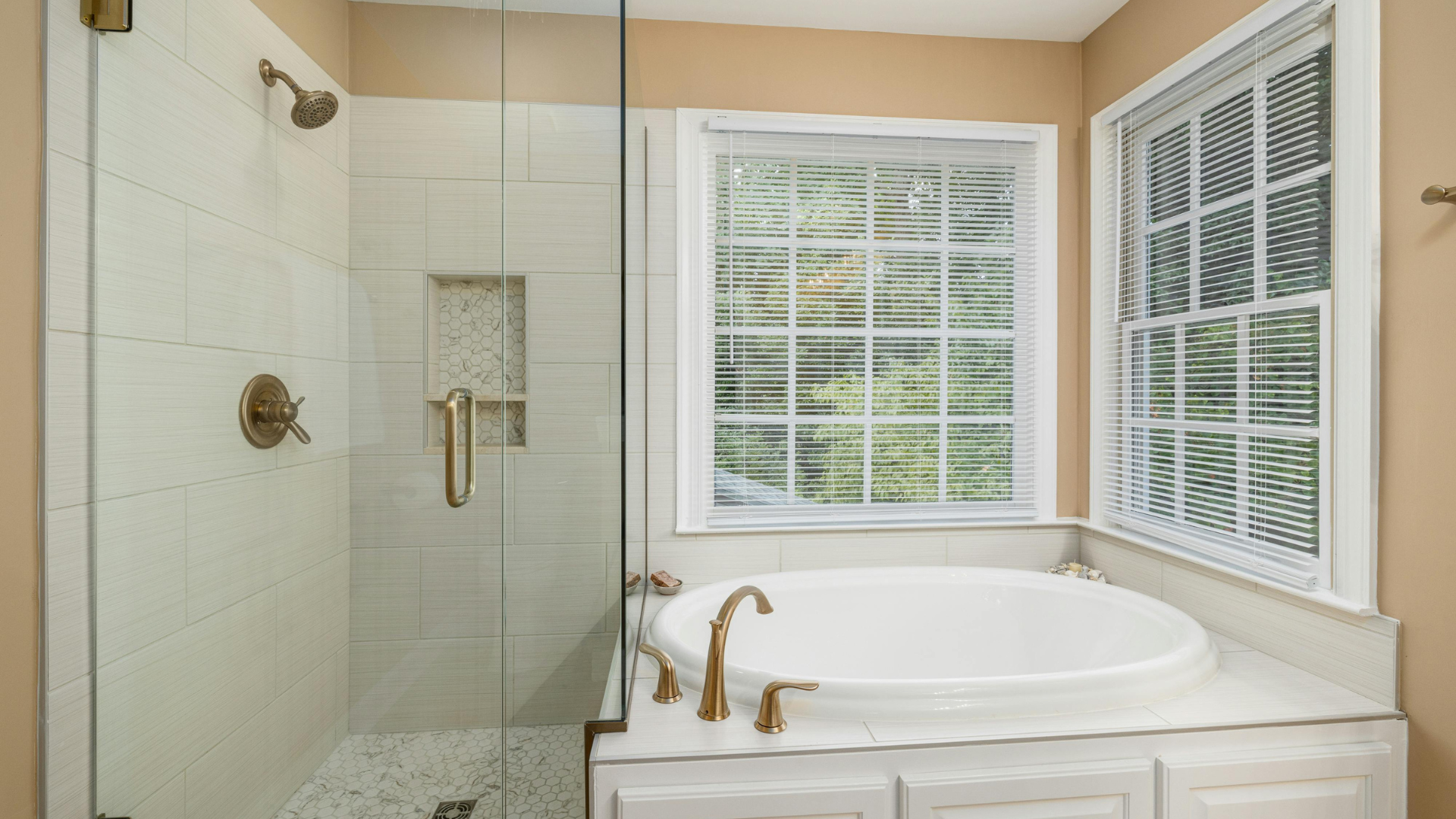
Enjoy moisture-resistant window treatments that add privacy and durability without sacrificing design.

Keep playtime safe and stylish with cordless shades designed for light control, safety, and fun patterns.
Peace of mind with every install
Proudly serving Long Island
for over 10 years
We don’t leave until it’s perfect
5-Star Reviews on Google

We make finding the perfect window treatments easy with our shop-at-home service. Simply schedule a free consultation, and we’ll bring a wide selection of shades, blinds and shutters samples directly to your home. This allows you to see samples in your space, ensuring they fit perfectly with your décor and lighting.

Our experts will provide personalized recommendations, take precise measurements, and offer transparent, affordable pricing—without the hassle of visiting a showroom.

We offer installation, so you can enjoy a seamless, custom-fit solution, all while saving time and money. Experience the convenience of choosing quality window treatments from the comfort of your home.
Pair financing with our free in-home consultation, expert measuring,
and professional installation for a smooth, stress-free experience from start to finish.


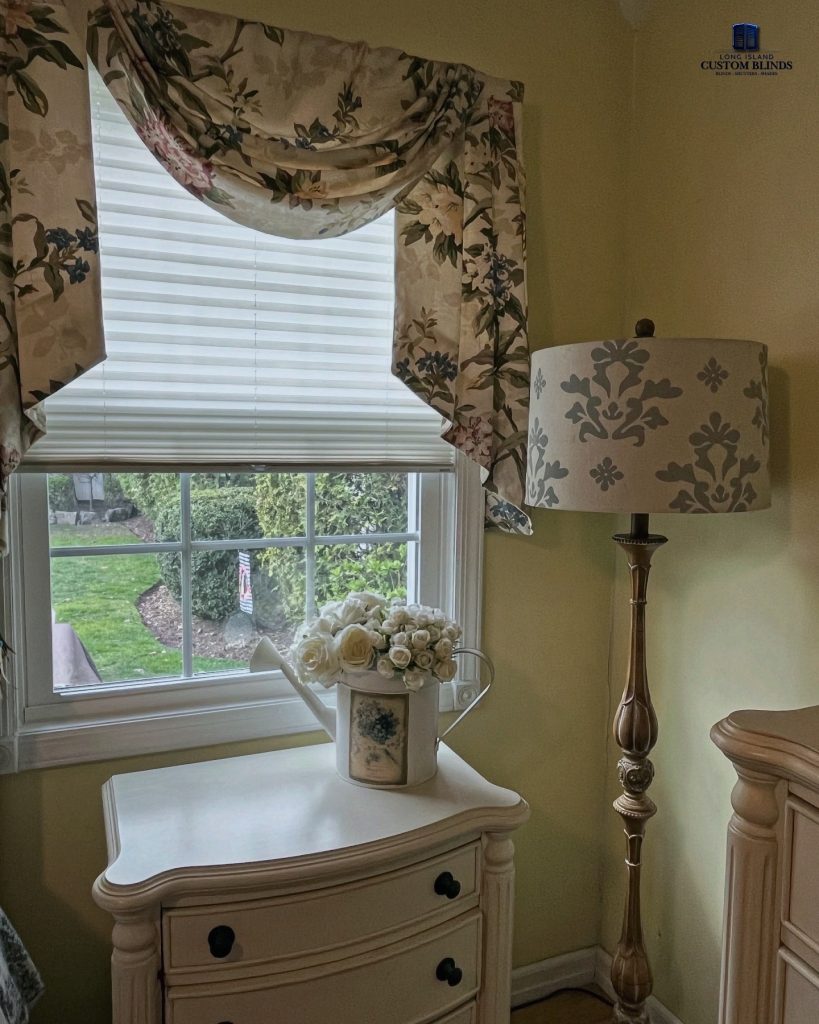
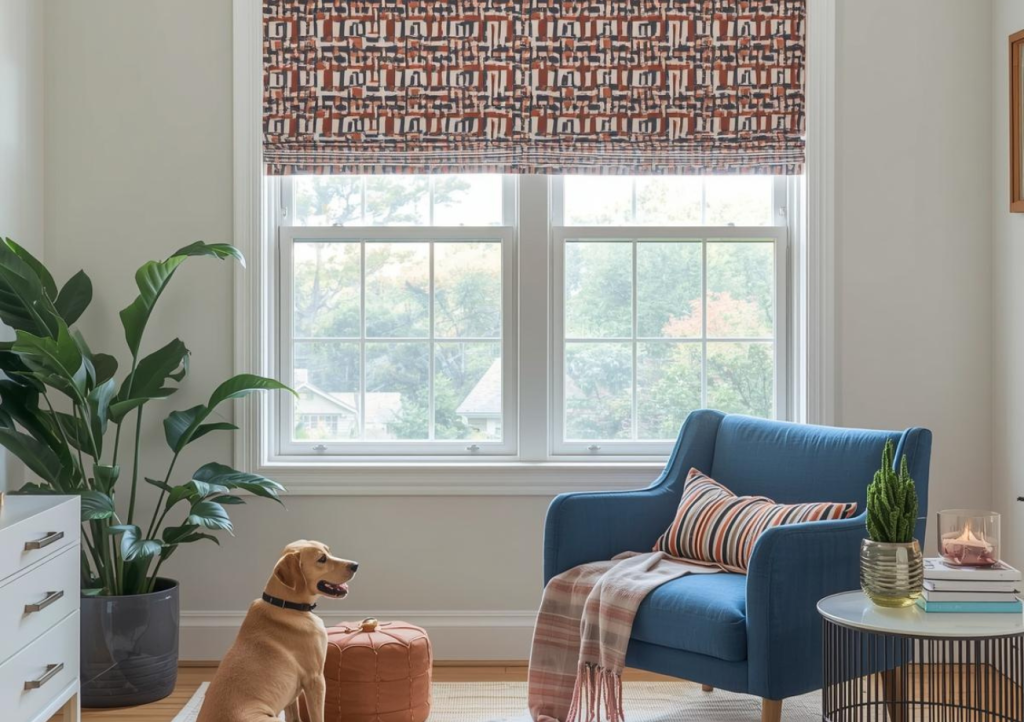
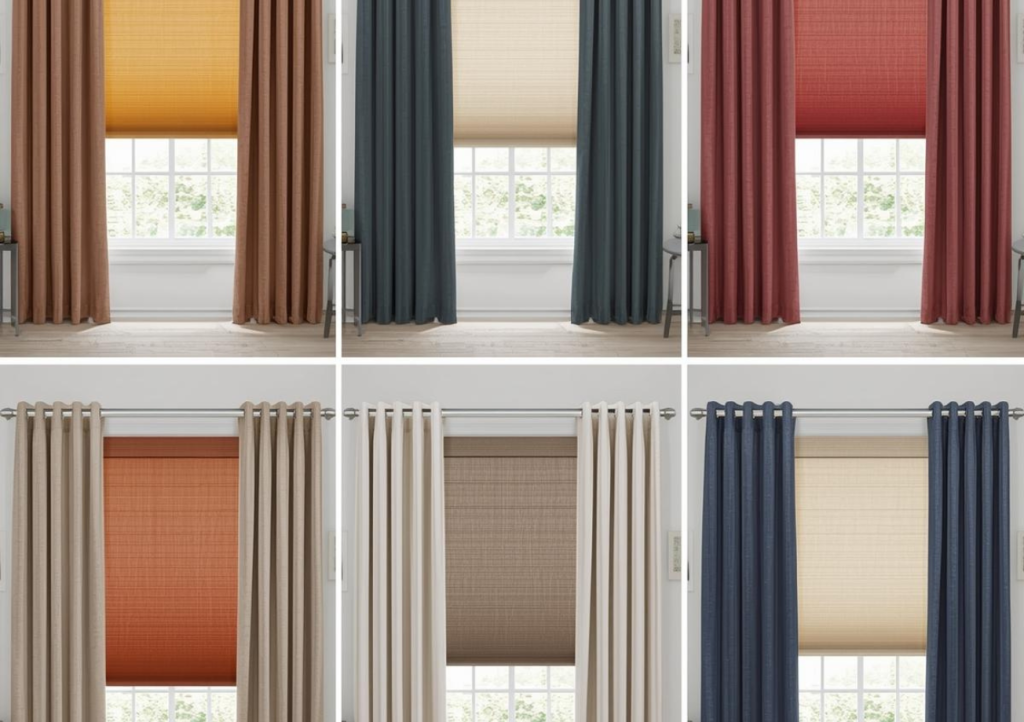
Finding the right window blinds near you doesn’t have to be a challenge. At Long Island Custom Blinds, we make the process simple by offering in-home consultations, expert recommendations, and precise measurements to ensure a perfect fit.
Our team serves all of Laurel Hollow and the surrounding areas, bringing samples directly to your door so you can see how different styles will look in your space.
From modern designs that maximize natural light to blackout options for bedrooms, we have something for every need and budget. Plus, with our professional installation services, you can rest assured that your window shades, blinds, or shutters will be securely mounted and built to last.
Nestled in the wooded hills of Long Island’s North Shore approximately 30 miles east of Manhattan, Laurel Hollow occupies a distinctive position among Gold Coast communities—an incorporated estate village of approximately 1,900-2,100 residents that maintains the privacy and exclusivity characteristic of its neighbors while possessing neither the extreme invisibility of Matinecock nor the historical significance of communities with presidential connections or preserved public estates. With a population density approaching merely 350-400 persons per square mile across its approximately 5.5 square miles, Laurel Hollow functions as one of the quieter expressions of Gold Coast wealth—a community where substantial estates disappear into heavily wooded terrain, where no commercial activity of any kind exists, and where the village’s primary purpose involves preserving the residential character that wealthy families sought when they established properties here generations ago.
The name “Laurel Hollow” derives from the mountain laurel that once grew abundantly in the area’s wooded hollows and valleys—vegetation that contributed to the natural character that attracted estate development. The area remained sparsely populated through most of its history, with scattered farms and rural properties occupying terrain between the North Shore’s waterfront and Long Island’s interior. Unlike waterfront communities where the most prominent Gilded Age families established estates with harbor views and beach access, Laurel Hollow’s interior location attracted families who valued woodland privacy over water proximity.
The village incorporated in 1926, joining the wave of Gold Coast incorporations designed to prevent suburban development from threatening estate character. Like neighboring Matinecock, Mill Neck, and Lattingtown, Laurel Hollow’s incorporation represented defensive action—wealthy families creating municipal governance specifically to ensure zoning control, prevent subdivision, and maintain the low-density residential character that distinguished estate villages from the suburban development transforming much of Long Island.
The incorporation succeeded in its essential purpose: nearly a century later, Laurel Hollow remains what its founders intended—a community of substantial properties, heavily wooded character, and residential exclusivity. The village has neither developed public identity nor sought recognition, instead maintaining the quiet anonymity that estate village residents typically prefer.
Laurel Hollow’s demographic profile reveals a community of substantial wealth that has maintained remarkable stability while experiencing some of the demographic diversification affecting other affluent North Shore communities.
The population of approximately 1,900-2,100 residents has remained relatively stable over decades, with modest fluctuations reflecting property turnover rather than development or subdivision. This stability reflects successful achievement of the village’s founding purpose: preventing the population growth that development would bring.
Racial and ethnic composition shows patterns intermediate between the overwhelming homogeneity of the most exclusive estate villages and the greater diversity characterizing communities with strong school district reputations:
White residents comprise approximately 75-82% of the population—high by national standards but somewhat lower than the most homogeneous estate villages like Matinecock (92%+) or Sands Point (90%+). This slightly lower figure reflects some demographic diversification over recent decades.
Asian residents represent approximately 12-18% of the population—meaningful presence reflecting patterns common across North Shore communities where Asian wealth has entered formerly homogeneous enclaves. The Asian presence in Laurel Hollow likely reflects both the community’s proximity to achievement-oriented communities like Syosset and Jericho and the general pattern of Asian affluent families seeking North Shore estate properties.
Hispanic or Latino residents account for approximately 2-4%, and Black or African American residents comprise roughly 1-2%.
Arguments explaining Laurel Hollow’s demographic patterns:
Wealth as primary filter: Laurel Hollow properties typically range from $1.2 million to $4 million, with exceptional estates exceeding $6-8 million. These prices create economic barriers accessible primarily to wealthy households. Given racial wealth disparities, wealth filtering produces substantial demographic homogeneity regardless of discriminatory intent.
School district complexity: Laurel Hollow’s territory falls within multiple school districts—portions served by Cold Spring Harbor, portions by Syosset, and potentially portions by other districts. This complexity creates varied attractiveness patterns. Families specifically targeting Syosset or Cold Spring Harbor schools may purchase in Laurel Hollow if properties fall within desired districts, contributing to demographic patterns associated with those districts.
Estate character versus achievement orientation: Unlike communities where school quality dominates residential decisions, Laurel Hollow attracts families prioritizing estate character, privacy, and property quality alongside (rather than instead of) educational access. This different emphasis may attract somewhat different populations than purely achievement-oriented communities.
Market-based access: Unlike communities where social networks and institutional connections may influence access, Laurel Hollow operates primarily through market transactions. Properties sell to whoever can afford them, enabling demographic diversification as new wealth—including Asian wealth—enters through purchase rather than social gatekeeping.
Household income and wealth reach levels characteristic of Gold Coast estate communities:
Median household income likely exceeds $200,000, though such figures dramatically understate actual financial resources in communities where wealth derives substantially from investments, business ownership, and assets rather than earned income.
The village contains households with net worth reaching tens of millions of dollars—successful business owners, corporate executives, financial professionals, and inheritors of family wealth. However, Laurel Hollow’s wealth concentration, while substantial, doesn’t reach the extraordinary levels found in the most exclusive estate villages where net worth in the hundreds of millions is common.
Home values reflect estate character:
Properties typically range from $1.2-1.8 million for smaller homes on more modest lots to $2.5-4 million for larger estates. Exceptional properties—the grandest estates on substantial acreage—may reach $6-10 million. These values have appreciated substantially over decades while remaining somewhat below the most exclusive communities where $10-25 million properties are common.
Annual property taxes typically range from $30,000-60,000 for standard properties, reaching higher for the most valuable estates.
Age distribution shows a mature profile with median age approaching 48-54 years—reflecting both established families with older children and empty-nesters occupying large properties. The estate character attracts families at life stages where large properties, privacy, and established neighborhoods appeal more than proximity to schools or urban amenities.
Educational attainment runs high, with bachelor’s degree attainment likely exceeding 65-70% and graduate/professional degrees held by 35-40% of adults. These figures reflect the professional and business backgrounds of residents who can afford estate properties.
Housing characteristics define Laurel Hollow’s essential character:
The housing stock consists exclusively of single-family homes on substantial lots. Minimum lot sizes of 1-2 acres in most zones ensure estate character, with some properties encompassing 5-10+ acres. Homes typically range from 3,500-6,000 square feet for standard properties to 8,000-15,000+ square feet for larger estates.
Architectural styles vary widely: colonials, contemporaries, Tudors, and various custom designs reflecting individual owner preferences across construction periods. No dominant architectural character exists, though all properties share scale and quality reflecting substantial construction budgets.
The heavily wooded character distinguishes Laurel Hollow. Properties disappear into woodland, often invisible from roads. Driving through the village reveals primarily trees with glimpses of driveways leading to unseen homes. This natural screening provides privacy central to estate village appeal.
The village contains no apartments, no condominiums, no townhouses, no multi-family housing, and absolutely no commercial development of any kind. Residents travel to Cold Spring Harbor, Syosset, or beyond for all commercial needs.
Education in Laurel Hollow presents complexity because the village’s territory falls within multiple school districts, creating varied educational experiences depending on specific property location.
Multiple school districts serve Laurel Hollow residents:
Cold Spring Harbor Central School District serves substantial portions of Laurel Hollow, providing access to one of Long Island’s most highly-regarded districts. Cold Spring Harbor maintains strong academic reputation with outcomes comparable to elite districts: SAT scores averaging approximately 1320-1380, graduation rates approaching 98-99%, and strong college placements. The district’s intimate size (approximately 1,800-2,100 students total) creates personalized educational environment while maintaining comprehensive programming.
Syosset Central School District serves other portions of Laurel Hollow, providing access to another top-performing district with SAT scores averaging 1350-1400 and exceptional academic outcomes. Syosset’s larger size offers broader course offerings and extracurricular opportunities.
Other districts may serve small portions of Laurel Hollow depending on precise boundaries.
Arguments about Laurel Hollow’s educational situation:
Benefits of strong options: Regardless of specific district, Laurel Hollow residents generally access excellent public education. Both Cold Spring Harbor and Syosset rank among New York’s top districts, meaning families throughout the village receive strong educational access.
District boundary importance: Property values and family decisions depend substantially on district assignment. Families should investigate boundaries carefully before purchasing, as seemingly similar properties may feed different schools.
Different district cultures: Cold Spring Harbor and Syosset offer somewhat different educational cultures. Cold Spring Harbor’s smaller size creates more intimate environment; Syosset’s larger scale offers broader opportunities. Families may prefer one culture over the other.
Private school patterns:
Given Laurel Hollow’s wealth concentration, private school usage likely runs meaningful though not dominant. Some families choose private education for social positioning, educational philosophy, or family tradition. Cold Spring Harbor Country Day School provides local private option; Friends Academy, Portledge, and various other private schools serve families seeking alternatives to public education. However, the strong public school options mean many families utilize public schools with satisfaction.
Tourism in Laurel Hollow operates at zero levels, reflecting the estate village character that precludes any attractions, commercial activity, or public presence that might draw outside visitors. However, Laurel Hollow’s invisibility differs from the most extreme estate villages in being less deliberate and more simply incidental to community character.
The complete absence of public presence reflects estate village design:
No commercial development: Laurel Hollow contains no restaurants, shops, or commercial facilities of any kind. Zoning prohibits commercial development absolutely. Residents travel elsewhere for all commercial needs.
No public facilities: The village contains no public parks, community centers, or facilities attracting public use. Village government operates minimally, handling essential municipal functions without programming or public engagement.
No historic sites or attractions: Unlike communities with preserved estates open to public (Old Westbury Gardens) or presidential heritage (Sagamore Hill), Laurel Hollow contains no public attractions. All properties remain entirely private.
Wooded terrain hiding everything: Dense woodland conceals properties from view. Driving through reveals trees and driveways rather than visible estates. This natural screening creates visual monotony discouraging exploration.
No distinctive identity: Laurel Hollow possesses no particular reputation, heritage, or identity distinguishing it from similar estate villages. The community exists without generating recognition or interest.
Arguments about invisibility:
Appropriate for community purpose: Laurel Hollow exists to provide private residential environment for families seeking estate living. The absence of public presence, tourism, or recognition represents successful delivery of community purpose rather than any failure.
Less extreme than neighboring villages: While invisible to outside attention, Laurel Hollow’s invisibility seems less aggressively cultivated than in communities like Matinecock. The village simply lacks public features rather than actively constructing total exclusion. This distinction may be subtle but reflects different community characters.
Neither virtue nor vice: The absence of public presence represents neither admirable privacy nor problematic withdrawal—simply the natural outcome of estate village design. Laurel Hollow’s invisibility raises fewer questions than communities whose extreme exclusivity seems more deliberate.
Comparison with neighboring communities:
Laurel Hollow occupies middle ground among estate villages:
More accessible than Matinecock (whose total invisibility and extreme exclusivity represent Gold Coast’s ultimate expression) or Mill Neck (whose tiny population and remoteness create similar character).
Less distinctive than Old Westbury (with its public gardens and polo heritage) or Cove Neck (with its Roosevelt connection and Sagamore Hill proximity).
More purely residential than Oyster Bay hamlet (with its historic downtown and tourism) or Cold Spring Harbor (with its commercial village and harbor character).
Laurel Hollow represents the estate village form in moderate expression—substantial wealth, complete privacy, and residential exclusivity without the extremity or distinctiveness that generates either recognition or analysis.
The realistic assessment:
Laurel Hollow will remain invisible to anyone not specifically seeking it. The village offers nothing to visitors and generates no interest from outside. This represents appropriate outcome for estate village serving residents who purchased specifically for privacy and residential character. Non-residents should simply recognize that Laurel Hollow exists and move on; no experience awaits exploration.
