
Broken Blinds? Here’s When to Fix Them and When to Replace Them
When a blind stops working, the first instinct is to find a fix. That’s a reasonable starting point — but for most blind failures, repair isn’t as accessible as homeowners

Discover high-quality, affordable window treatments with your local, shop-at-home service.
Discover high-quality, affordable window treatments with your local, shop-at-home service.






Peace of mind with every install
Proudly serving Long Island
for over 10 years
We don’t leave until it’s perfect
5-Star Reviews on Google
| Feature | Long Island Custom Blinds | Big Box Stores |
|---|---|---|
| Free In-Home Consultation | Yes — we bring the showroom to you | No — visit the store and DIY |
| Custom Measurements | Every window is precisely measured | Often relies on standard sizes |
| Design Guidance | Expert help choosing colors, styles, and materials | You're on your own |
| Product Quality | Premium materials built to last | Often mass-produced, lower quality |
| Professional Installation | Offered with every order | May require 3rd party or self-install |
| Local Support & Service | Speak directly with your installer/designer | 1-800 number or store associate |
| Speed & Flexibility | Quick turnaround & flexible scheduling | Delays and rigid systems |
| Lifetime Client Relationship | We're your go-to for future projects & upgrades | One-and-done sale |
| Reputation in the Community | 5-Star reviews from Long Island homeowners | Mixed reviews, impersonal service |
| Pricing Transparency | Clear estimates — no surprise fees | Hidden fees for delivery or install |
| Value for Money | High quality at competitive prices | Lower upfront, higher long-term cost |
| Feature | Long Island Custom Blinds | Big Box Stores |
|---|---|---|
| Free In-Home Consultation | ✓ | × |
| Custom Measurements | ✓ | × |
| Design Guidance | ✓ | × |
| Product Quality | ✓ | × |
| Professional Installation | ✓ | × |
| Local Support & Service | ✓ | × |
| Speed & Flexibility | ✓ | × |
| Lifetime Client Relationship | ✓ | × |
| Reputation in the Community | ✓ | × |
| Pricing Transparency | ✓ | × |
| Value for Money | ✓ | × |
From cozy entryways to bright kitchens, get inspired by these curated looks and make every room feel like home.

Brighten your cooking space with blinds and shades that bring warmth, style, and light control to every meal.

Create a cozy retreat with blackout or light-filtering shades that help you rest and recharge in comfort.

Frame your view beautifully with drapes and blinds that balance natural light and privacy for everyday living.
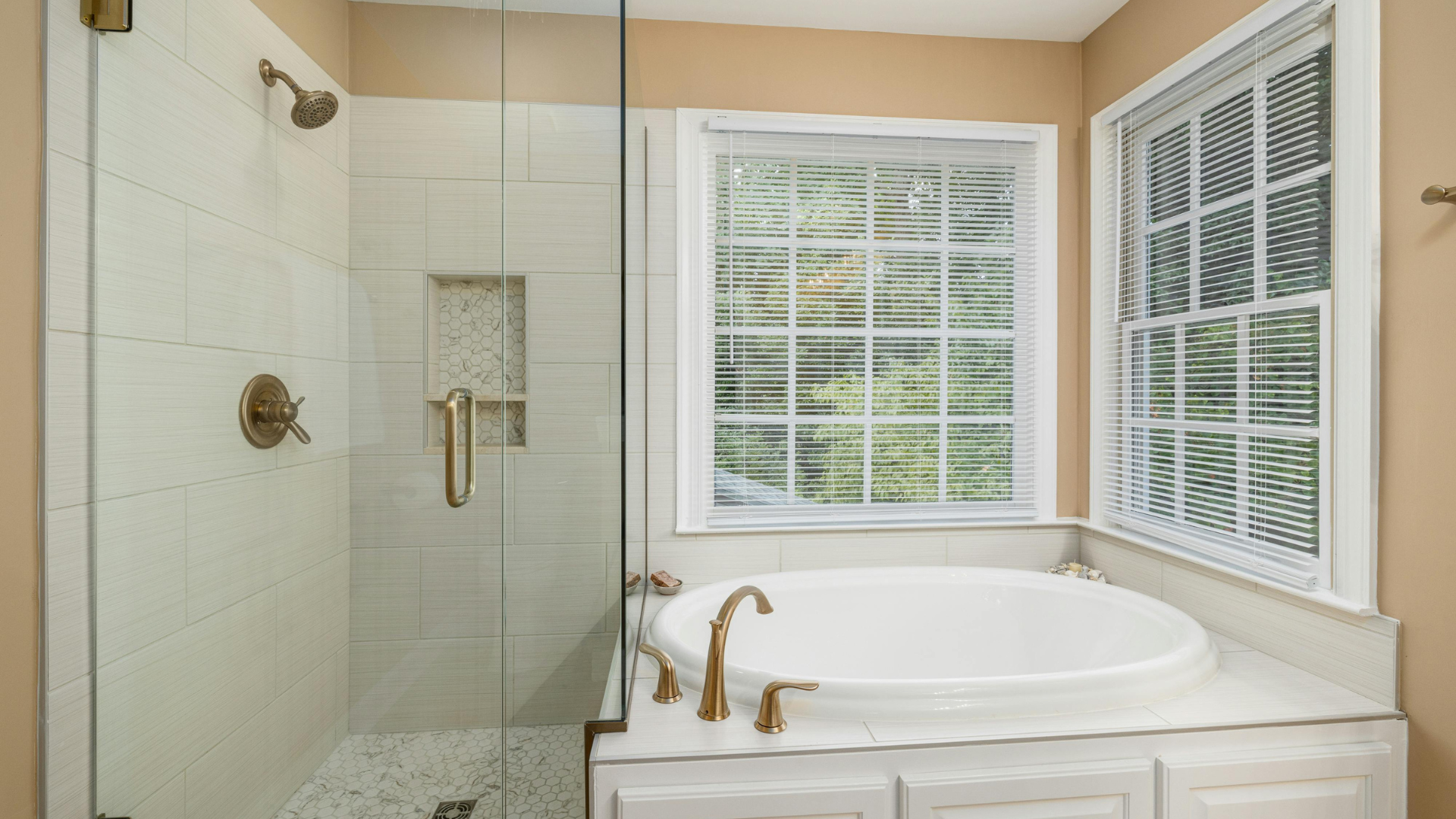
Enjoy moisture-resistant window treatments that add privacy and durability without sacrificing design.

Keep playtime safe and stylish with cordless shades designed for light control, safety, and fun patterns.
Peace of mind with every install
Proudly serving Long Island
for over 10 years
We don’t leave until it’s perfect
5-Star Reviews on Google

We make finding the perfect window treatments easy with our shop-at-home service. Simply schedule a free consultation, and we’ll bring a wide selection of shades, blinds and shutters samples directly to your home. This allows you to see samples in your space, ensuring they fit perfectly with your décor and lighting.

Our experts will provide personalized recommendations, take precise measurements, and offer transparent, affordable pricing—without the hassle of visiting a showroom.

We offer installation, so you can enjoy a seamless, custom-fit solution, all while saving time and money. Experience the convenience of choosing quality window treatments from the comfort of your home.
Pair financing with our free in-home consultation, expert measuring,
and professional installation for a smooth, stress-free experience from start to finish.


Finding the right window blinds near you doesn’t have to be a challenge. At Long Island Custom Blinds, we make the process simple by offering in-home consultations, expert recommendations, and precise measurements to ensure a perfect fit.
Our team serves all of Brookville and the surrounding areas, bringing samples directly to your door so you can see how different styles will look in your space.
From modern designs that maximize natural light to blackout options for bedrooms, we have something for every need and budget. Plus, with our professional installation services, you can rest assured that your window shades, blinds, or shutters will be securely mounted and built to last.
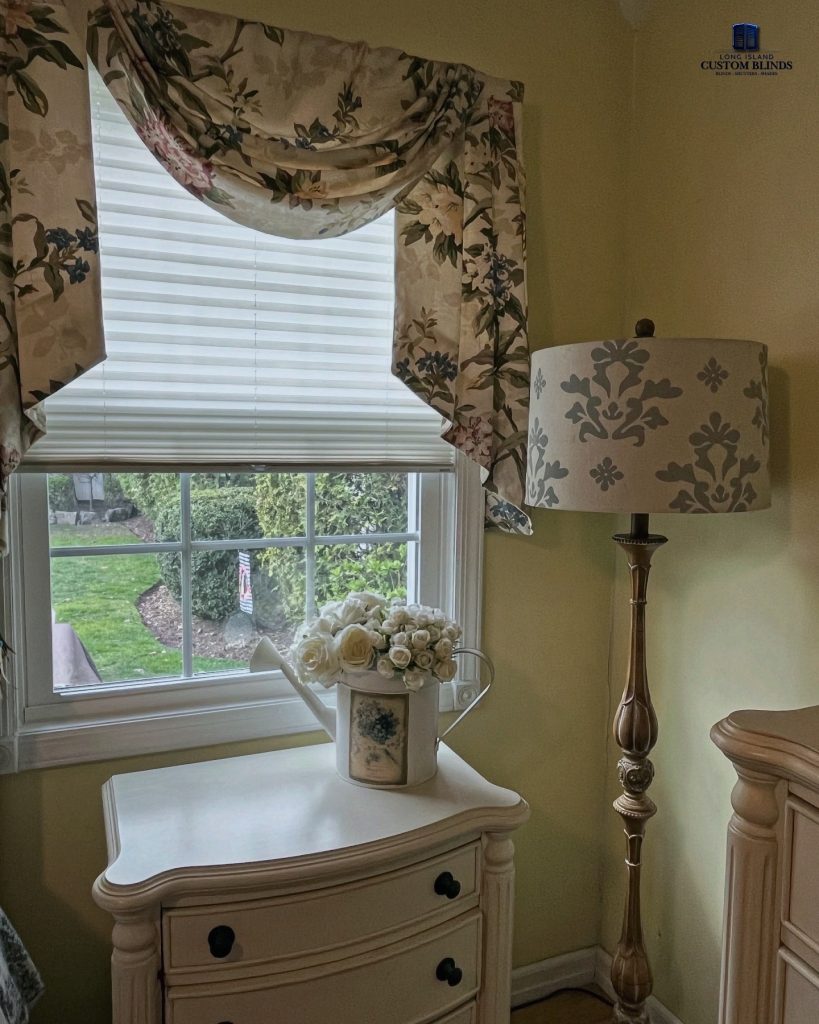
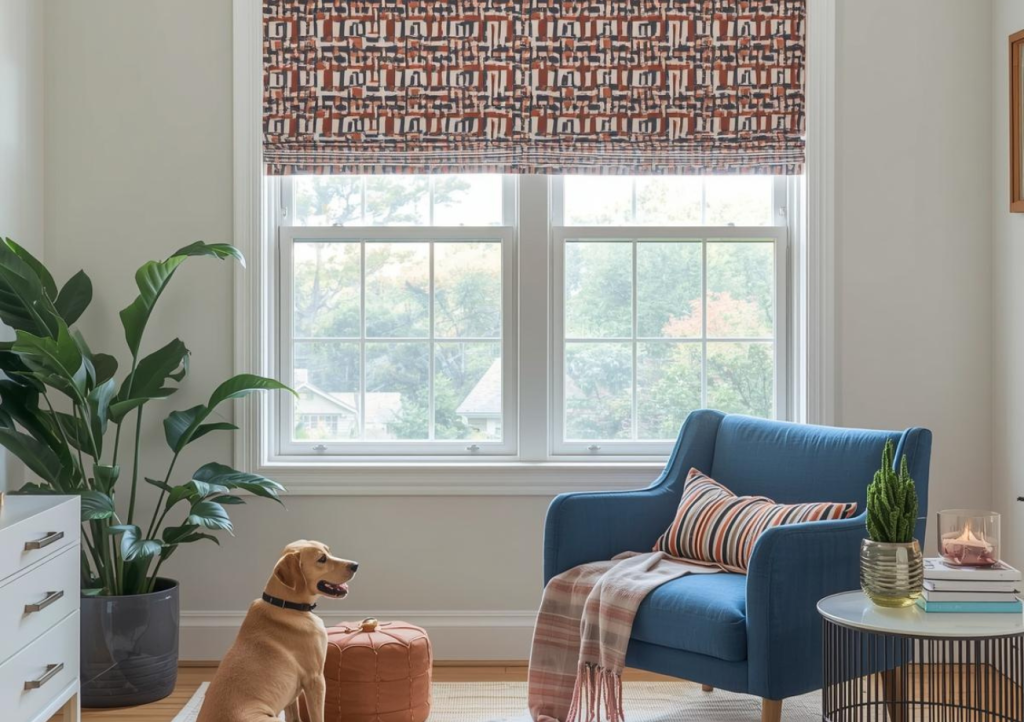
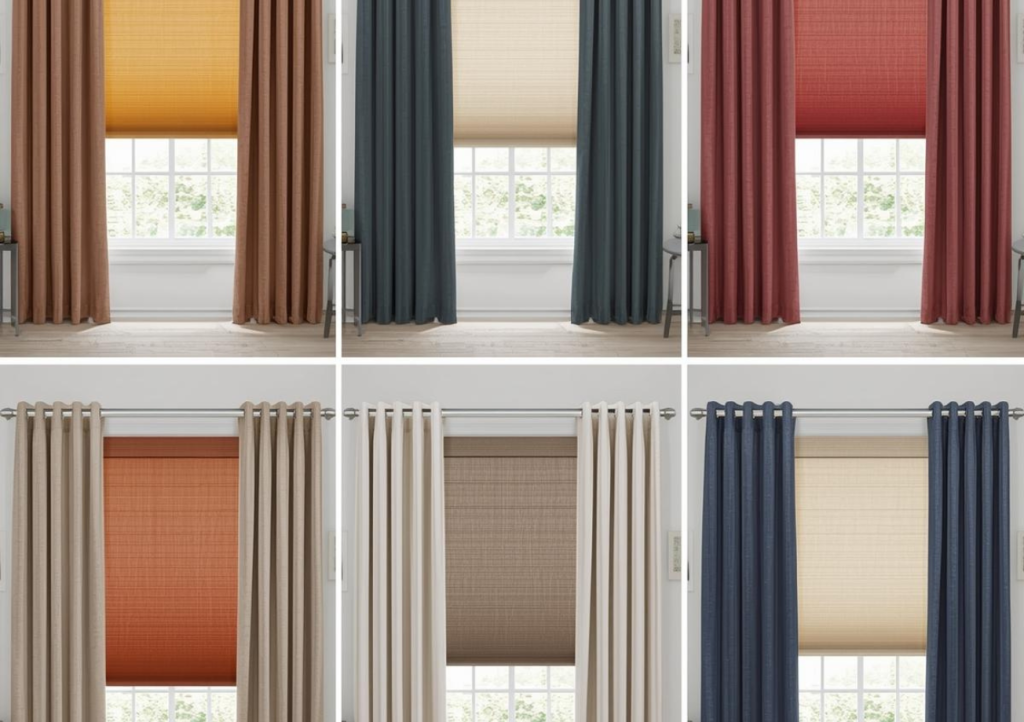

Sprawling across approximately 4.8 square miles of heavily wooded terrain in Nassau County’s interior approximately 30 miles east of Manhattan, Brookville represents one of the Gold Coast’s most deliberately invisible communities—an incorporated village of substantial estates that has successfully avoided the recognition, tourism, and even basic awareness that characterizes its better-known neighbors. With a population of merely 3,400-3,600 residents occupying one of Long Island’s larger village territories, Brookville maintains population density so remarkably low (approximately 700 persons per square mile) that it approaches rural character despite location within the New York metropolitan region. Unlike Sands Point with its waterfront grandeur, Old Westbury with its polo traditions and public gardens, or Manhasset with its luxury retail and social prominence, Brookville exists in deliberate obscurity—a community of wealth that prefers anonymity to recognition, privacy to prestige, and invisibility to the social visibility that other affluent communities cultivate or at least accept.
The name “Brookville” references the brooks and streams that drain through the village’s rolling, wooded terrain toward the North Shore harbors, though no particular brook dominates the landscape. The area remained agricultural and sparsely populated through most of the 19th century, with scattered farms occupying the interior highlands away from the more desirable waterfront. The transformation began in the early 20th century when wealthy families—some seeking less socially competitive environments than the established waterfront estates, others valuing privacy and woodland settings over water views—began assembling large properties in the area. The village incorporated in 1931, joining the wave of Gold Coast incorporations designed to prevent suburban subdivision and preserve estate character.
Unlike waterfront Gold Coast communities that attracted the most publicly prominent Gilded Age families, Brookville drew those who valued seclusion—families whose wealth enabled estate living but whose preferences emphasized privacy over social display. This founding ethos persists: Brookville remains a community that wealthy families choose specifically because it lacks the visibility, social obligations, and public awareness associated with more prominent addresses. The village’s inland location, wooded character, and absence of distinguishing features create exactly the anonymity its residents seek.
Brookville’s demographic profile reveals a community of substantial wealth that has successfully maintained relative demographic stability and deliberate invisibility, though recent decades have brought changes reflecting broader patterns affecting affluent North Shore communities.
The population of approximately 3,400-3,600 residents has grown modestly over recent decades, from roughly 3,200 in 2000 to 3,400 in 2010 to current levels. This modest growth—approximately 10-15% over two decades—represents meaningful expansion for a community fundamentally oriented toward preservation and exclusion, reflecting some new construction, estate subdivision, and demographic changes within existing properties. However, the growth remains limited by large-lot zoning, preservation values, and the finite geography of the village.
Racial and ethnic composition shows patterns intermediate between the overwhelming homogeneity of some Gold Coast communities and the greater diversity found in communities with strong school district reputations:
White residents comprise approximately 70-78% of the population—lower than Sands Point’s 90%+ or Manhasset’s 85-90% but higher than East Hills’ 60-65%. Asian residents represent roughly 15-20% of the population, a substantial presence reflecting patterns common across North Shore communities where Asian wealth has entered formerly homogeneous enclaves. Hispanic or Latino residents account for approximately 3-5%, and Black or African American residents comprise roughly 1-2%.
Arguments explaining Brookville’s demographic patterns:
Wealth as primary filtering mechanism: Brookville’s property values—typically $1.5-5 million for standard estates, with exceptional properties exceeding $10-20 million—create economic barriers accessible only to very wealthy households. These extreme costs filter the population to perhaps the wealthiest 1-2% of American households regardless of other characteristics. Given racial wealth disparities, this economic filtering produces substantial demographic homogeneity while technically operating through race-neutral market mechanisms.
Asian wealth entry through market mechanisms: Unlike communities where social networks and institutional gatekeeping may limit access, Brookville operates primarily through market transactions. Properties sell based on price rather than social connections, enabling wealthy Asian families—Chinese business owners and professionals, Korean executives, Indian entrepreneurs, Persian families—to purchase when properties become available. This market-based access permits demographic diversification that social gatekeeping might prevent.
Privacy-seeking wealthy populations: Brookville specifically attracts wealthy families seeking privacy and anonymity rather than social prominence or prestigious addresses. This self-selection may attract different populations than communities where social visibility matters—newly wealthy families avoiding established social hierarchies, international wealth seeking American estates without social obligations, or simply those who prefer invisibility to recognition.
School district complexity: Unlike communities within single, highly-regarded school districts, Brookville’s territory falls within multiple districts (portions in Jericho, East Williston, Locust Valley, Oyster Bay-East Norwich, and potentially others), creating varied educational access depending on specific property location. This complexity may affect which families target Brookville, with some specifically seeking particular districts while others prioritize estate character over educational optimization.
Absence of community identity attracting particular populations: Brookville lacks the distinctive characteristics—historic architecture, cultural institutions, social prominence—that attract particular demographic groups. This absence of identity means the community attracts those seeking generic estate living rather than specific community attributes, producing demographics reflecting wealth distribution among those prioritizing privacy and estate character.
Household income and wealth reach levels placing Brookville among Long Island’s wealthiest communities:
Median household income estimates exceed $200,000, though these figures dramatically understate actual financial resources. Brookville contains numerous families whose net worth reaches tens or hundreds of millions of dollars, with income from investments, business ownership, and other sources that may not appear as reported taxable income. The village includes current and former executives, successful entrepreneurs, professional investors, and inheritors of family wealth whose actual financial resources far exceed income figures.
Property values reflect these wealth levels. “Modest” Brookville properties—smaller homes on one-to-two-acre lots—typically sell for $1.2-2 million. Mid-range estates on larger lots command $2.5-5 million. The grandest properties—larger estates on substantial acreage—can exceed $8-15 million, with exceptional properties occasionally reaching higher figures. Annual property taxes routinely exceed $40,000-70,000 for typical estates and can reach $100,000+ for larger properties.
Age distribution shows a mature profile with median age approaching 48-52 years, reflecting both established families with older children and empty-nesters occupying large estates. The community contains fewer young families than educationally-focused communities where school quality drives residential decisions, as Brookville’s multi-district situation and privacy orientation attract those prioritizing estate character over educational optimization.
Educational attainment runs exceptionally high, with bachelor’s degree attainment likely exceeding 70% and graduate/professional degrees held by 35-40%+ of adults. These figures reflect the concentration of business leaders, professionals, and successful individuals comprising the population.
Housing characteristics define Brookville’s essential character as estate community. The village enforces large minimum lot sizes—typically one to two acres throughout most areas, with some zones requiring larger minimums—ensuring estate character. Properties typically feature homes of 4,000-8,000+ square feet, with some estates exceeding 10,000-15,000 square feet. The heavily wooded character distinguishes Brookville from communities with more open, pastoral landscapes; many properties disappear into forest, invisible from roads and neighboring properties. This wooded character provides privacy and natural beauty while creating distinctive aesthetic different from the manicured lawns and visible estates of communities like Old Westbury.
Architectural styles vary widely—contemporary mansions, traditional colonials, Mediterranean villas, modernist structures—reflecting diverse owner preferences and construction periods. No dominant architectural character exists; properties reflect individual taste within the estate framework. This architectural diversity contrasts with communities having more unified historic character.
The village contains essentially no apartments, condominiums, townhouses, or multi-family housing. Commercial development is virtually nonexistent—Brookville contains no retail establishments, restaurants, or commercial facilities. Residents travel to neighboring communities (Roslyn, Glen Cove, Locust Valley) for all shopping, dining, and services.
Education in Brookville operates through unusually complex arrangements reflecting the village’s geographic extent and interior location straddling multiple school district boundaries. Unlike communities wholly within single districts, Brookville residents access different schools depending on specific property location, creating varied educational experiences across the village.
Multiple school districts serve Brookville residents:
Jericho Union Free School District serves portions of Brookville, providing access to one of Long Island’s highest-performing districts. Jericho consistently ranks among the top districts statewide, with SAT scores averaging 1350-1400+, graduation rates approaching 99%, and exceptional college placement including substantial Ivy League representation. Families in Jericho-served portions of Brookville access genuinely elite public education.
East Williston Union Free School District serves other portions of Brookville, similarly providing access to a highly-regarded district. East Williston (including the Wheatley School) achieves academic outcomes among Long Island’s strongest, with metrics comparable to Jericho’s elite performance.
Locust Valley Central School District serves additional portions of Brookville, offering a different profile. Locust Valley serves a broader socioeconomic range than Jericho or East Williston, with academic outcomes that are strong by national standards but not quite at elite Long Island levels. The district’s character reflects its service area including both affluent estates and more modest communities.
Oyster Bay-East Norwich Central School District may serve small portions of Brookville, adding another district to the complex map.
This multi-district arrangement creates significant implications:
Property value variation: Homes in Jericho or East Williston district territory command premium prices reflecting educational access, while properties in other district territories may sell for somewhat less despite similar physical characteristics. Real estate listings prominently note district assignment, and families investigate boundaries carefully before purchasing.
Community fragmentation: Brookville lacks the shared educational experience that creates community cohesion in single-district villages. Families in different portions of the village send children to different schools, limiting the school-based connections that bond families in other communities. The village contains no elementary school creating concentrated community identity.
Self-selection effects: Families prioritizing maximum academic performance specifically seek Jericho or East Williston territory, while those valuing estate character over educational optimization may accept other district assignments. This self-selection creates different family types across the village.
Private school usage runs high in Brookville, perhaps higher than in communities with uniformly excellent public schools. Several factors drive private school choices:
District assignment concerns: Families not in Jericho or East Williston territory often choose private schools to access educational quality exceeding their assigned public schools. This represents rational response to district boundaries that may place estate properties in less desirable districts.
Social positioning and network access: Many Brookville families choose elite private schools—Friends Academy, Portledge School, various Manhattan private schools, prestigious boarding schools—for social positioning, legacy connections, and access to networks unavailable through public education regardless of academic quality.
Privacy and values alignment: Private schools may offer environments more aligned with the privacy and exclusivity that Brookville families value, avoiding the diverse populations and public accountability of public schools.
Family tradition: Multi-generational wealthy families often maintain private school traditions spanning generations.
The educational landscape creates unusual dynamics: Brookville offers extraordinary estate living but uncertain educational access, with school quality depending on property location within the village. Families must choose whether to prioritize estate character (accepting whatever district assignment comes with desired property) or educational optimization (limiting property search to Jericho or East Williston territory). This tradeoff distinguishes Brookville from communities offering both estate character and uniformly excellent schools.
Higher education institutions border Brookville, with Long Island University’s C.W. Post Campus (now LIU Post) occupying substantial territory adjacent to the village. The campus, established on former estate land, provides higher education serving approximately 4,000-5,000 students while adding institutional presence to the area. Some faculty and staff may reside in Brookville, though most live in more affordable surrounding communities.
Tourism in Brookville operates at absolute zero levels—a complete absence reflecting not merely lack of attractions but deliberate community design ensuring invisibility. Unlike communities that might welcome tourism if they had attractions, Brookville has actively constructed an environment preventing visitation, recognition, or even awareness of its existence.
The complete absence of tourism reflects deliberate design:
No commercial development whatsoever: Brookville contains no restaurants, no shops, no retail establishments, no commercial facilities of any kind. The village exists as pure residential space without even the minimal commercial presence found in other estate communities. Residents travel to Glen Cove, Roslyn, Locust Valley, or other neighboring communities for all commercial needs. This complete commercial absence means no destinations exist that might attract non-residents.
No public facilities or gathering spaces: The village contains no public parks, no community centers, no libraries, no municipal facilities open to or attracting the public. Village government operates from minimal facilities handling only essential functions. No public spaces exist where visitors might gather, explore, or experience the community.
No historic sites or cultural attractions: Brookville lacks the historic architecture, preserved estates, museums, or cultural institutions that attract heritage tourism. No Old Westbury Gardens exists here—no estate has been preserved for public access. No historic district designation creates preservation interest. No architectural distinction draws enthusiasts.
Heavily wooded terrain hiding everything: Unlike communities with visible estates and scenic landscapes, Brookville’s dense woodland conceals properties from public view. Driving through the village reveals primarily trees—estates disappear behind forest, invisible from roads. This natural screening creates visual monotony that discourages exploration and provides nothing to see.
No waterfront or scenic features: Brookville’s interior location provides no waterfront access, no dramatic bluffs, no harbor views, no beaches, and no scenic resources that might attract visitors. The terrain—pleasant rolling woodland—lacks the dramatic features drawing tourism elsewhere.
Road design discouraging through-traffic: Brookville’s roads wind through residential areas without connecting major destinations or providing efficient through-routes. No reason exists to drive through Brookville unless specifically visiting a resident. This road design, whether intentionally or incidentally, prevents casual discovery by visitors passing through.
No community identity or recognition: Unlike communities with established reputations, Brookville remains unknown to most Long Islanders. The village lacks the name recognition of Sands Point, Old Westbury, or Manhasset. This obscurity represents success: Brookville has achieved the invisibility its residents seek.
Arguments that complete invisibility serves the community:
Brookville residents specifically chose the village for privacy and anonymity, and the absence of tourism represents delivery of promised benefits. Property values depend substantially on privacy that tourism would compromise. The community’s wealth means tourism revenue is completely unnecessary—property taxes on multi-million-dollar estates generate abundant revenue without commercial activity. Any tourism development would fundamentally contradict the community’s essential purpose. Residents purchased estates specifically for invisibility; creating visibility would betray the social contract underlying property values and community character.
Arguments exploring what invisibility means:
Philosophical perspective: Does a community have obligations to provide public access, contribute to regional economies, or otherwise serve purposes beyond private residential interests? Brookville represents extreme privatization—a community that exists solely for residents’ benefit while occupying substantial territory within a metropolitan region. This raises questions about property rights, community obligations, and the balance between private wealth and public goods.
Practical perspective: Brookville’s invisibility creates no hardship for anyone. Non-residents lose nothing by being unable to visit a community that contains nothing to visit. The community imposes no costs on neighbors or the region. The privacy residents enjoy harms no one. Unlike communities blocking waterfront access or preventing trail connections, Brookville’s privacy affects only the experience of its own residents.
Comparative perspective: Many Brookville residents might easily afford properties in more prominent communities—Sands Point, Old Westbury, prime Great Neck—but specifically chose Brookville’s anonymity. This preference for invisibility over prestige reflects particular values: prioritizing privacy over social position, anonymity over recognition, and peace over prominence. Whether these values represent admirable modesty or problematic withdrawal from civic life depends on perspective.
The realistic assessment:
Brookville will remain completely invisible to anyone not specifically seeking it. The village offers nothing to visitors and has constructed an environment preventing visitation. This represents successful achievement of founding purpose—a community designed for privacy that has delivered privacy for nearly a century. Non-residents should simply recognize that Brookville exists and move on; no experience awaits those who might seek to explore it.
Contrast with neighboring communities:
The contrast with Old Westbury proves instructive. Both communities contain substantial estates and wealthy residents, but Old Westbury offers Old Westbury Gardens for public visitation, maintains visible polo and equestrian culture, and possesses recognized identity. Brookville offers nothing publicly accessible, maintains no visible cultural traditions, and possesses no recognized identity. These different approaches reflect different community values: Old Westbury accepts limited public engagement while Brookville rejects any public presence.
Similarly, the contrast with Sands Point (waterfront location, Sands Point Preserve offering public access, dramatic scenery) or Manhasset (Americana shopping, social prominence, visible wealth) demonstrates how Brookville differs from Gold Coast communities that accept or even cultivate recognition. Brookville represents the logical extreme of Gold Coast exclusivity—wealth that neither seeks nor accepts acknowledgment.
