If You’re Buying Blinds in Syosset or Great Neck, Avoid This Common Mistake
The mistake isn’t picking the wrong color. It isn’t even picking the wrong style. The most common — and most expensive — mistake homeowners in Syosset and Great Neck make

Discover high-quality, affordable window treatments with your local, shop-at-home service.
Discover high-quality, affordable window treatments with your local, shop-at-home service.






Peace of mind with every install
Proudly serving Long Island
for over 10 years
We don’t leave until it’s perfect
5-Star Reviews on Google
| Feature | Long Island Custom Blinds | Big Box Stores |
|---|---|---|
| Free In-Home Consultation | Yes — we bring the showroom to you | No — visit the store and DIY |
| Custom Measurements | Every window is precisely measured | Often relies on standard sizes |
| Design Guidance | Expert help choosing colors, styles, and materials | You're on your own |
| Product Quality | Premium materials built to last | Often mass-produced, lower quality |
| Professional Installation | Offered with every order | May require 3rd party or self-install |
| Local Support & Service | Speak directly with your installer/designer | 1-800 number or store associate |
| Speed & Flexibility | Quick turnaround & flexible scheduling | Delays and rigid systems |
| Lifetime Client Relationship | We're your go-to for future projects & upgrades | One-and-done sale |
| Reputation in the Community | 5-Star reviews from Long Island homeowners | Mixed reviews, impersonal service |
| Pricing Transparency | Clear estimates — no surprise fees | Hidden fees for delivery or install |
| Value for Money | High quality at competitive prices | Lower upfront, higher long-term cost |
| Feature | Long Island Custom Blinds | Big Box Stores |
|---|---|---|
| Free In-Home Consultation | ✓ | × |
| Custom Measurements | ✓ | × |
| Design Guidance | ✓ | × |
| Product Quality | ✓ | × |
| Professional Installation | ✓ | × |
| Local Support & Service | ✓ | × |
| Speed & Flexibility | ✓ | × |
| Lifetime Client Relationship | ✓ | × |
| Reputation in the Community | ✓ | × |
| Pricing Transparency | ✓ | × |
| Value for Money | ✓ | × |
From cozy entryways to bright kitchens, get inspired by these curated looks and make every room feel like home.

Brighten your cooking space with blinds and shades that bring warmth, style, and light control to every meal.

Create a cozy retreat with blackout or light-filtering shades that help you rest and recharge in comfort.

Frame your view beautifully with drapes and blinds that balance natural light and privacy for everyday living.

Enjoy moisture-resistant window treatments that add privacy and durability without sacrificing design.

Keep playtime safe and stylish with cordless shades designed for light control, safety, and fun patterns.

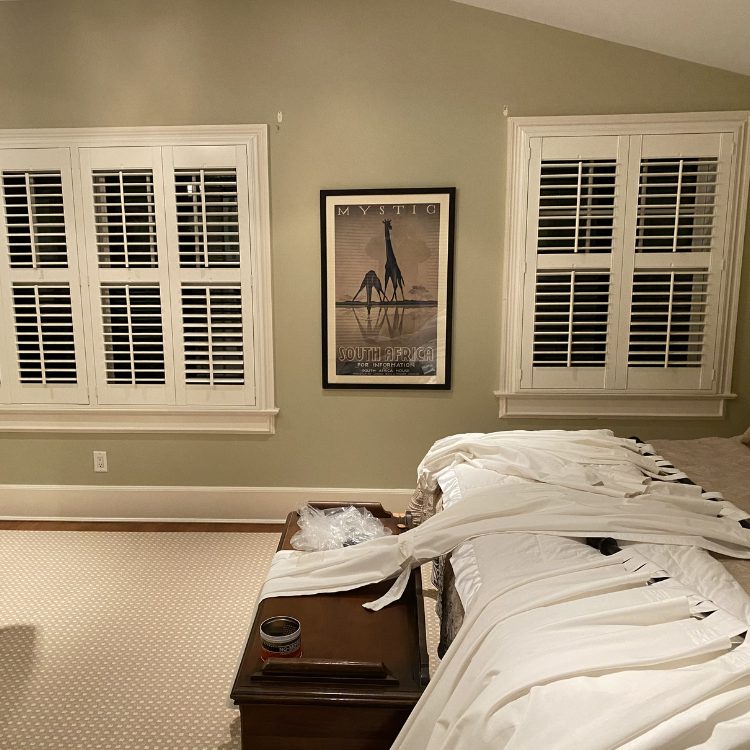
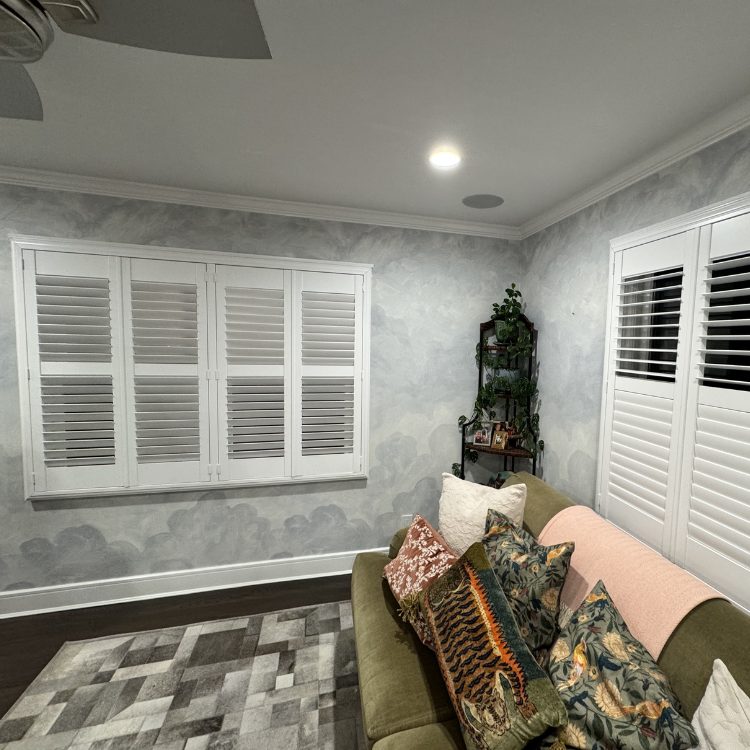
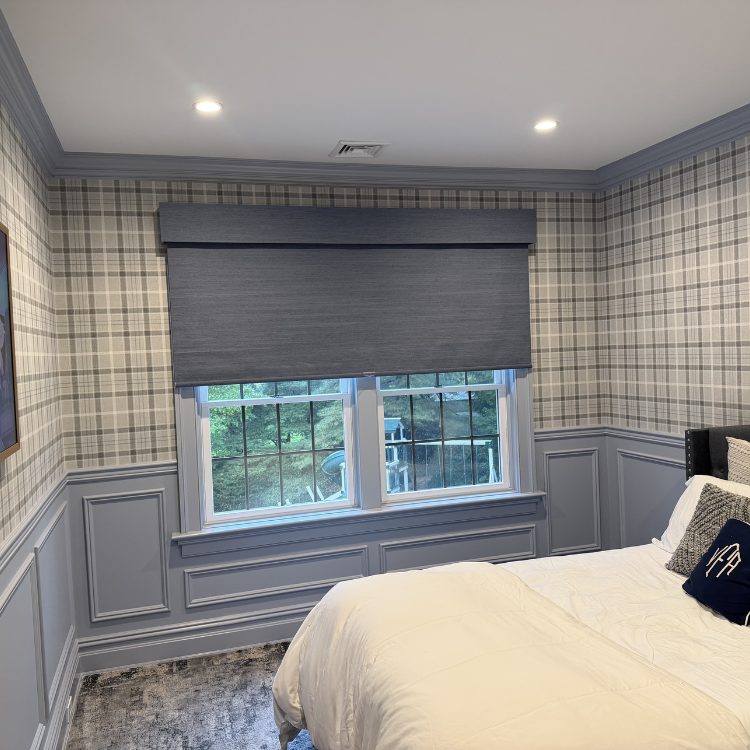
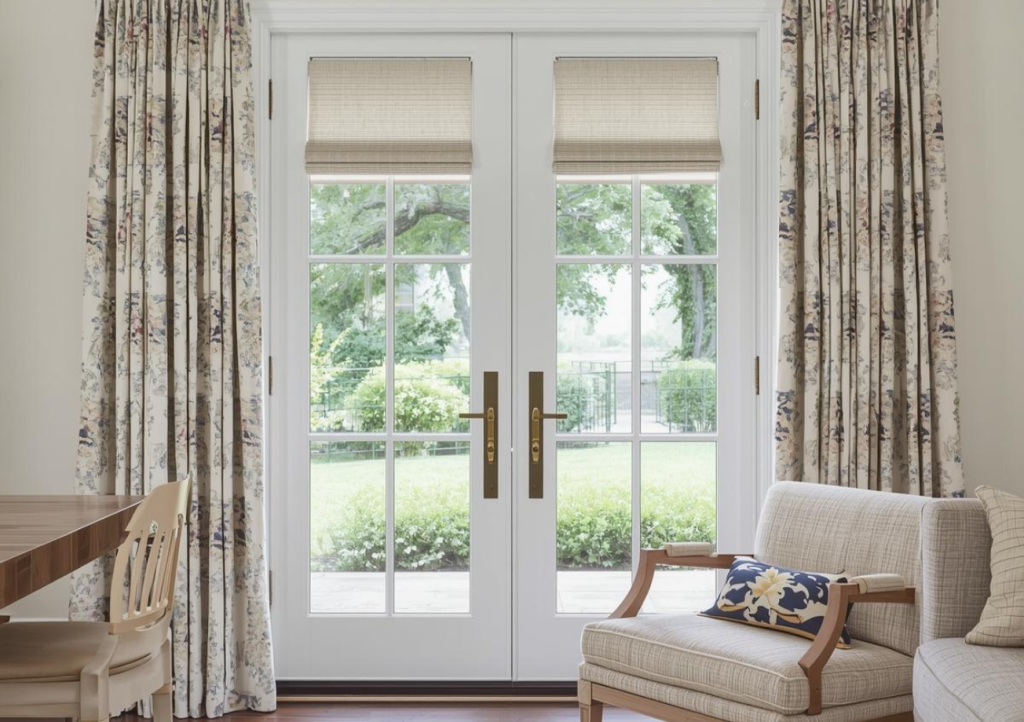
We make finding the perfect window treatments easy with our shop-at-home service. Simply schedule a free consultation, and we’ll bring a wide selection of shades, blinds and shutters samples directly to your home. This allows you to see samples in your space, ensuring they fit perfectly with your décor and lighting.

Our experts will provide personalized recommendations, take precise measurements, and offer transparent, affordable pricing—without the hassle of visiting a showroom.

We offer installation, so you can enjoy a seamless, custom-fit solution, all while saving time and money. Experience the convenience of choosing quality window treatments from the comfort of your home.


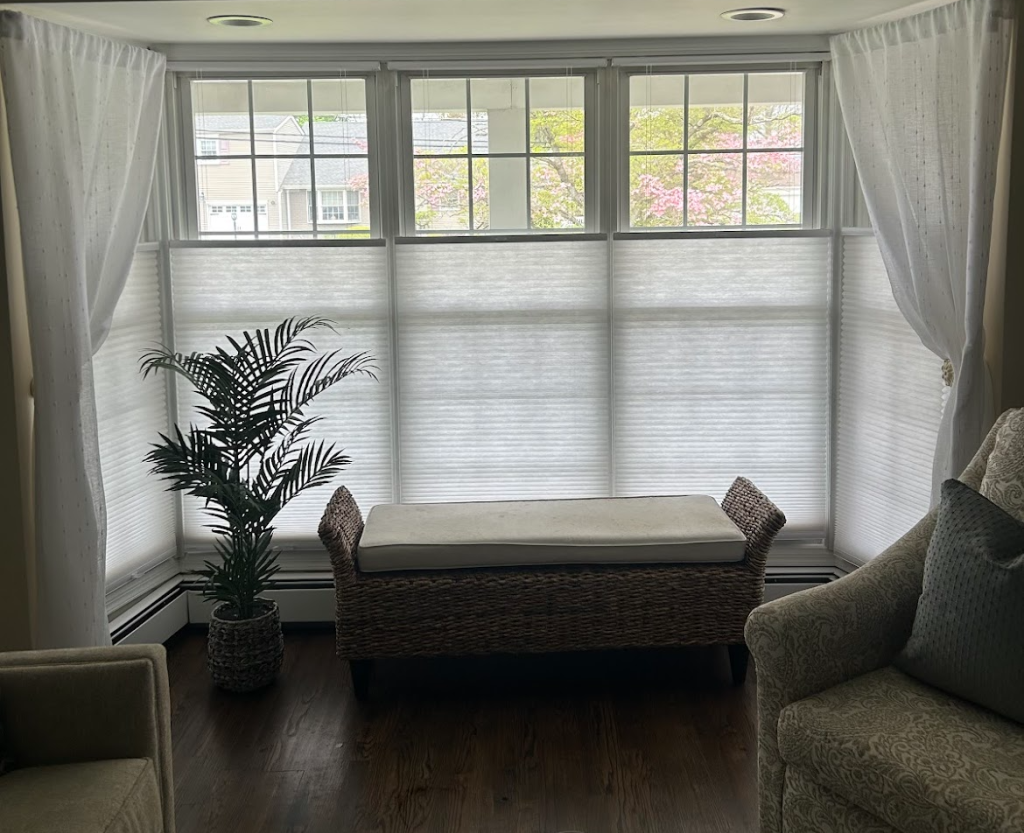
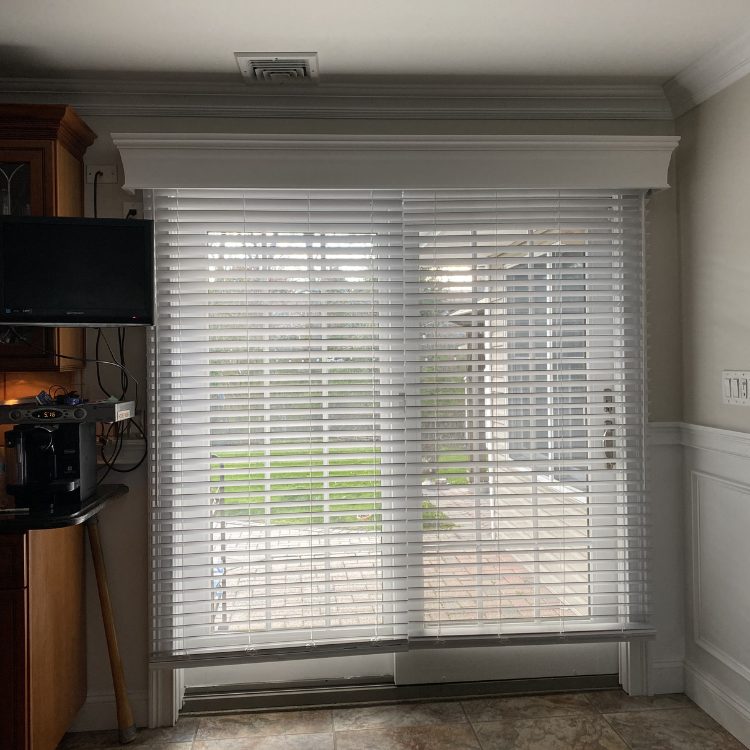
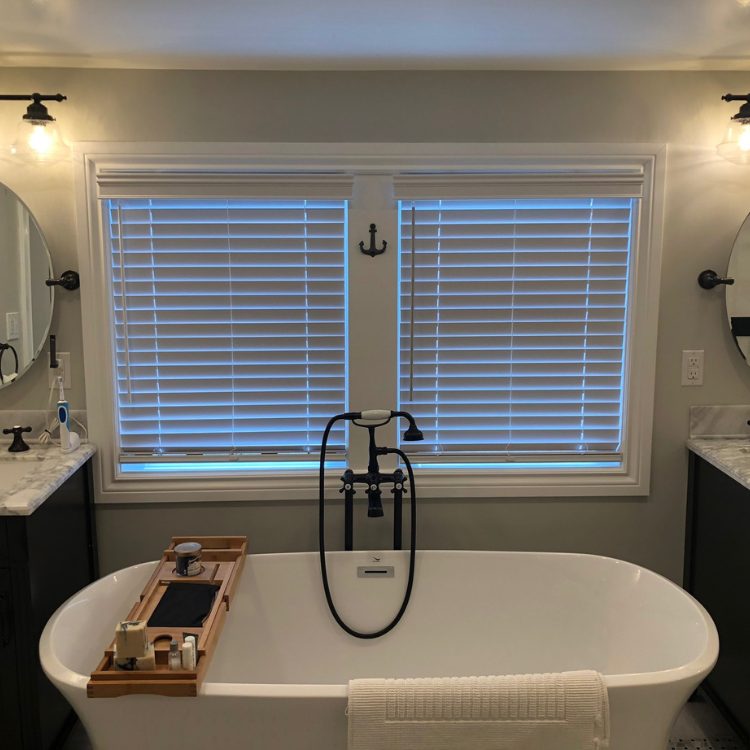
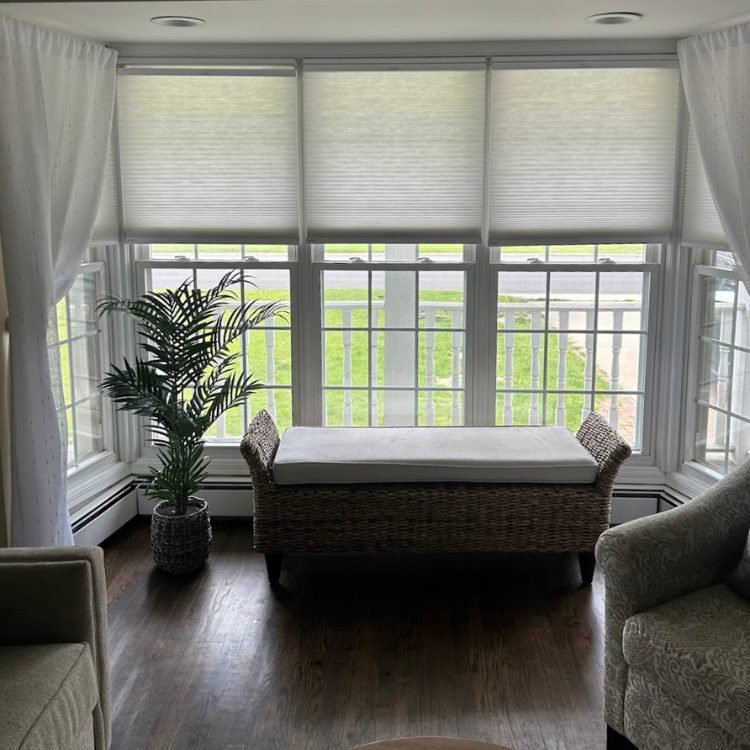
Finding the right window blinds near you doesn’t have to be a challenge. At Long Island Custom Blinds, we make the process simple by offering in-home consultations, expert recommendations, and precise measurements to ensure a perfect fit.
Our team serves all of Oyster Bay and the surrounding areas, bringing samples directly to your door so you can see how different styles will look in your space.
From modern designs that maximize natural light to blackout options for bedrooms, we have something for every need and budget. Plus, with our professional installation services, you can rest assured that your window shades, blinds, or shutters will be securely mounted and built to last.



Nestled along the protected waters of Oyster Bay Harbor on Long Island’s North Shore approximately 35 miles east of Manhattan, Oyster Bay occupies a unique position among Gold Coast communities—a place where genuine American historical significance intersects with North Shore affluence, where a functioning commercial village coexists with surrounding estate enclaves, and where Theodore Roosevelt’s enduring legacy creates public identity that neighboring communities deliberately avoid. With a population of approximately 6,800-7,200 residents in the hamlet itself (though the broader Town of Oyster Bay encompasses far larger territory and population), Oyster Bay functions as both historic destination and working community, combining tourism infrastructure, commercial activity, and residential neighborhoods in patterns distinguishing it from the purely private estate villages and invisible enclaves defining much of the surrounding region.
The name “Oyster Bay” derives straightforwardly from the abundant oyster beds that once lined the harbor—shellfish resources that attracted both Native American inhabitants and early European settlers. The Matinecock people harvested these waters for centuries before Dutch and English colonists arrived in the mid-17th century. The town’s formal founding dates to 1653, making Oyster Bay one of Long Island’s oldest European settlements, with continuous habitation spanning nearly four centuries.
The community’s historical significance expanded dramatically in the late 19th century when Theodore Roosevelt—future president, Rough Rider, trust-buster, conservationist, and perhaps America’s most dynamic political personality—established Sagamore Hill as his family home. Roosevelt lived in Oyster Bay from 1885 until his death in 1919, conducting presidential business from the “Summer White House,” receiving world leaders, and cementing the community’s place in American history. This Roosevelt connection distinguishes Oyster Bay from neighboring communities whose histories, however wealthy, lack comparable national significance.
The hamlet never incorporated as a village, remaining part of the Town of Oyster Bay—one of Long Island’s largest townships encompassing numerous villages, hamlets, and unincorporated areas across the North Shore and into Nassau County’s interior. This administrative arrangement means the hamlet shares governance with vastly larger surrounding territory while maintaining distinct identity through its historic downtown, waterfront location, and Roosevelt legacy.
Oyster Bay’s demographic profile reveals a community combining historic village character with substantial affluence, creating patterns more complex than either working-class Glen Cove or the purely exclusive estate villages surrounding it.
The population of approximately 6,800-7,200 residents in the hamlet has remained relatively stable over recent decades, with modest fluctuations reflecting economic conditions and housing market dynamics. This stability reflects the largely built-out character of the hamlet and limited available land for new development within established village boundaries.
Racial and ethnic composition shows substantial homogeneity characteristic of North Shore communities, though with some diversity reflecting the hamlet’s commercial and working character:
White residents comprise approximately 85-90% of the population—higher than Glen Cove’s diverse 55-60% but comparable to many North Shore communities. This substantial white majority reflects historical development patterns, economic barriers, and the self-selecting character of communities where established families and North Shore affluence predominate.
Hispanic or Latino residents represent approximately 5-8% of the population, a meaningful presence reflecting service workers, longtime working-class families, and more recent immigration. Asian residents account for approximately 3-5%, and Black or African American residents comprise roughly 2-3%.
Arguments explaining Oyster Bay’s demographic patterns:
Historic village character creating some accessibility: Unlike purely estate communities, Oyster Bay contains varied housing stock including modest homes, apartments above commercial spaces, and smaller properties enabling access at various price points. This variety, while increasingly expensive, historically provided opportunities for middle-class and working-class families unavailable in estate villages.
Service economy employment: The hamlet’s commercial district, tourism infrastructure, and service role for surrounding communities create employment attracting diverse workers. Some employees in Oyster Bay’s restaurants, shops, and services also reside locally, contributing to demographic diversity.
Rising prices limiting accessibility: Despite historic variety, Oyster Bay property values have appreciated substantially, increasingly limiting access to affluent purchasers. Homes that might have housed working-class families decades ago now command prices requiring substantial household income, gradually homogenizing demographics as lower-income residents sell or pass away without affordable replacement options for similar families.
Geographic position between extremes: Oyster Bay sits geographically and socially between working-class Glen Cove and ultra-exclusive estate villages like Matinecock and Cove Neck. This intermediate position creates demographic patterns reflecting neither extreme: more diverse than invisible estate enclaves but more affluent and homogeneous than Glen Cove.
Household income and wealth levels place Oyster Bay among Long Island’s affluent communities:
Median household income estimates range from $110,000 to $140,000—well above national medians (approximately $75,000) and above Nassau County medians (approximately $120,000), placing Oyster Bay comfortably in upper-middle-class territory. However, substantial variation exists within the hamlet, from very affluent waterfront properties to more modest inland homes.
Home values show significant range reflecting property diversity. Modest inland homes may sell for $500,000-700,000, mid-range properties command $800,000-1.3 million, and larger or waterfront homes reach $1.5-3 million or higher. This range—substantial by national standards but creating some accessibility compared to purely estate communities—enables economic diversity that pure estate villages cannot accommodate.
Age distribution shows a mature profile with median age around 44-48 years, reflecting both families with school-age children and substantial numbers of empty-nesters and longtime residents. The historic character and established nature of the community mean many residents have lived in Oyster Bay for decades, aging in place rather than turning over to younger populations.
Educational attainment runs high, with bachelor’s degree attainment approaching 55-60% and graduate/professional degrees held by roughly 25-30% of adults. These figures exceed national and state averages, reflecting the professional character of most households while acknowledging some working-class presence reducing figures below the most exclusive communities.
Housing characteristics reflect Oyster Bay’s complex character:
The housing stock includes genuine diversity: historic homes from the 18th and 19th centuries near the downtown, Victorian-era residences reflecting the community’s development as resort destination, early-to-mid 20th century colonials and cape cods, and some contemporary construction. Property sizes vary from modest village lots (0.1-0.25 acres) to larger properties (0.5-2 acres) on the hamlet’s periphery.
The downtown contains mixed-use buildings with commercial ground floors and residential above—urban fabric largely absent from purely residential North Shore communities. This commercial-residential integration creates walkable village character distinguishing Oyster Bay from automobile-dependent suburbs.
Waterfront and water-view properties command premium values, with homes overlooking Oyster Bay Harbor or possessing water access representing the most expensive segment. The harbor’s protected waters, historic character, and scenic beauty create demand exceeding typical inland properties.
Homeownership rates approach 75-80%—lower than pure estate communities but reflecting the presence of some rental housing including apartments and rental homes serving more transient populations.
Education in Oyster Bay operates through the Oyster Bay-East Norwich Central School District, which serves both Oyster Bay hamlet and neighboring East Norwich, creating shared educational experience across communities with somewhat different characters.
The Oyster Bay-East Norwich Central School District operates James H. Vernon School (elementary), Oyster Bay High School, and Theodore Roosevelt School, serving approximately 1,400-1,600 students across all grades. The relatively small enrollment creates intimate educational environment while supporting comprehensive programming.
Academic performance metrics place the district among Long Island’s solid-performing districts:
SAT scores average approximately 1180-1240 (out of 1600)—above national averages of about 1050 but below the 1300-1400 levels in elite districts like Jericho or Manhasset. This positioning reflects the district’s character: respectable performance serving a population that includes both affluent professionals and more modest households.
Graduation rates approach 94-96%, strong performance exceeding state and national averages. College attendance exceeds 85% of graduates, with students pursuing diverse post-secondary pathways.
Per-pupil expenditures exceed $28,000-32,000 annually—substantial by national standards—supported by property taxes on homes whose values have appreciated significantly.
Arguments about Oyster Bay-East Norwich schools:
Strengths perspective: The district provides solid education in intimate setting enabling personalized attention. Small class sizes, committed teachers, and community involvement create strong educational environment. The district’s manageable size allows students to participate in multiple activities, receive individual attention, and develop relationships with teachers and administrators impossible in larger districts. Historic community character creates educational context connecting students to American history in ways few districts can match.
Limitations perspective: Academic metrics lag the highest-performing Long Island districts, potentially affecting competitive college admissions. Smaller enrollment limits course offerings, extracurricular breadth, and athletic competition levels. Families prioritizing maximum academic outcomes might prefer larger, higher-performing districts. The relatively homogeneous student body limits exposure to socioeconomic and demographic diversity.
Balanced assessment: Oyster Bay-East Norwich schools serve community needs appropriately, providing solid education without the intense pressure characterizing the most competitive districts. Families seeking excellent-but-not-obsessive education often find the district appealing. Those prioritizing maximum academic metrics may prefer other options.
Private school alternatives exist for families seeking different educational experiences. The Green Vale School (in nearby Old Brookville) serves elementary students; Friends Academy and Portledge School serve K-12 populations; various Manhattan and boarding school options attract some families. However, many Oyster Bay families utilize public schools with satisfaction, reflecting confidence in district quality and community values emphasizing accessible public education.
Tourism in Oyster Bay operates at levels distinguishing the hamlet from both major destinations and the completely private communities surrounding it. The Theodore Roosevelt connection creates genuine historical significance that attracts meaningful visitation while commercial village character provides infrastructure (restaurants, shops, services) supporting visitor experience.
Sagamore Hill National Historic Site represents Oyster Bay’s signature attraction and primary claim to national historical significance. Theodore Roosevelt purchased the property in 1880 and built the rambling Queen Anne-style house completed in 1885, living there until his death in 1919. As “Summer White House” during Roosevelt’s presidency (1901-1909), Sagamore Hill hosted foreign dignitaries, cabinet meetings, and historic negotiations including the Portsmouth Conference ending the Russo-Japanese War (for which Roosevelt won the Nobel Peace Prize).
The National Park Service acquired Sagamore Hill in 1963, operating it as a national historic site preserving Roosevelt’s home, grounds, and legacy. The site offers:
House tours taking visitors through Roosevelt’s home with original furnishings, family possessions, hunting trophies, and personal artifacts that evoke the man’s extraordinary energy, intellectual breadth, and larger-than-life personality. The house’s preservation allows visitors to experience Roosevelt’s actual living environment rather than a reconstructed interpretation.
Theodore Roosevelt Museum (the Old Orchard Museum) provides additional exhibition space interpreting Roosevelt’s life, presidency, and legacy through artifacts, documents, photographs, and multimedia presentations.
Grounds and trails encompass approximately 83 acres of preserved landscape including woodlands, meadows, and shoreline that Roosevelt himself walked, providing nature experience alongside historical interpretation.
Educational programming serves thousands of students annually through school group visits, connecting young people to American history, conservation legacy, and presidential leadership.
Visitation at Sagamore Hill approaches 75,000-100,000 visitors annually—modest compared to major national attractions but substantial for the North Shore region and creating meaningful economic impact for Oyster Bay’s commercial district. Peak visitation occurs during summer months, school field trip seasons, and during special events commemorating Roosevelt milestones.
Arguments supporting Sagamore Hill’s significance:
The site provides authentic connection to one of America’s most significant presidents, preserving his actual home rather than a reconstruction. Roosevelt’s contemporary relevance—as conservationist establishing national parks, as trust-buster challenging corporate power, as advocate for the “strenuous life”—maintains appeal across political perspectives. The site serves important educational functions connecting students and visitors to American history. The preservation protects irreplaceable historical resources that private ownership might have compromised or destroyed. The National Park Service operation ensures professional stewardship and public access that voluntary preservation couldn’t guarantee.
Arguments acknowledging limitations:
The site remains relatively unknown compared to major presidential sites, limiting visitation and national awareness. The location—accessible primarily by car, distant from major tourism centers—creates access challenges limiting audience. Interpretation may not adequately address controversial aspects of Roosevelt’s legacy (racial attitudes, imperialism, militarism). Resources constrain programming, facilities, and visitor services compared to major presidential libraries and museums. The surrounding community’s affluence creates context potentially alienating visitors from different backgrounds.
Young’s Cemetery and Roosevelt’s grave provide additional pilgrimage destination for visitors. Theodore Roosevelt, along with his wife Edith and other family members, is buried in this small cemetery on a hillside overlooking Oyster Bay Harbor. The grave site, marked by a simple monument reflecting Roosevelt’s stated preference for modesty, attracts visitors paying respects to one of America’s most dynamic leaders. The cemetery’s quiet setting and harbor views create contemplative experience contrasting with the energy Roosevelt embodied in life.
Historic downtown Oyster Bay provides commercial infrastructure supporting tourism while serving local populations:
Restaurants and dining offer varied options from casual to upscale, serving both visitors and residents. The concentration of dining options—unusual for North Shore communities outside Glen Cove—creates restaurant district character enabling visitor experiences beyond Sagamore Hill alone.
Shops and retail include antiques, specialty stores, and local businesses occupying historic commercial buildings. The retail mix serves both tourist market and local needs, though online competition and changing retail patterns challenge traditional businesses.
Historic architecture throughout downtown reflects centuries of development, with buildings spanning colonial, Victorian, and early 20th-century eras creating visual interest and historical atmosphere. No formal historic district designation exists, but the accumulated architecture creates character distinguishing Oyster Bay from modern commercial development.
Waterfront access along the harbor provides scenic beauty, boating activity, and connection to Long Island Sound that enhances visitor experience. The working waterfront—with marinas, boat launches, and water-oriented businesses—creates authentic maritime character beyond purely aesthetic appeal.
Raynham Hall Museum provides additional historic attraction interpreting colonial and Revolutionary War history. This historic house, built circa 1738, served as headquarters for British officers during the Revolution and has connections to the Culper Spy Ring that provided intelligence to George Washington. The museum offers tours, educational programming, and events connecting visitors to Long Island’s Revolutionary heritage.
Oyster Bay Railroad Museum preserves local transportation heritage, interpreting the Long Island Rail Road’s role in community development and daily life. The small museum occupies historic railroad facilities, offering modest but meaningful addition to the hamlet’s cultural offerings.
Waterfront Park and Harbor provide recreational amenities including Theodore Roosevelt Memorial Park, offering beach access, picnic facilities, and waterfront enjoyment. The park honors Roosevelt’s legacy while providing public recreation space unusual in North Shore communities where most waterfront remains private.
Arguments for tourism’s significance:
Tourism generates economic activity supporting local businesses, creating employment, and diversifying the hamlet’s economic base beyond residential property taxes alone. The Roosevelt connection provides legitimate historical significance distinguishing Oyster Bay from communities whose histories, however affluent, lack comparable national importance. Tourism infrastructure (restaurants, shops, services) enhances resident quality of life by providing amenities that purely residential communities lack. The public nature of tourism attractions creates democratic access to historical resources and community spaces that surrounding estate villages completely deny.
Arguments acknowledging tourism challenges:
Tourism generates traffic, parking demands, and visitor impacts that some residents find burdensome. Commercial orientation required to serve visitors may conflict with residential character preferences. Tourism economic benefits, while meaningful, remain modest—Oyster Bay won’t thrive or fail based on tourism alone. The seasonal nature of visitation creates uneven economic activity. Competition from other destinations, changing visitor preferences, and limited marketing resources constrain growth potential.
The balanced assessment:
Oyster Bay successfully combines genuine historical significance with functioning commercial village, creating tourism identity that distinguishes it from both major destinations and purely private North Shore communities. The Roosevelt legacy provides authentic importance justifying visitor attention, while commercial infrastructure enables satisfactory visitor experience. Tourism contributes meaningfully to community character and economy without overwhelming residential quality of life. The hamlet occupies comfortable middle ground—more accessible and visitor-friendly than estate villages, more historically significant than typical suburbs, but not primarily defined by tourism in ways that might compromise residential community.
Comparison with neighboring communities:
The contrast with surrounding estate villages proves instructive. Matinecock, Cove Neck, and similar communities offer absolute privacy and complete invisibility; Oyster Bay offers historic significance and public accessibility. Estate village residents may view Oyster Bay’s tourism with ambivalence—appreciating commercial services while preferring that visitors remain in the hamlet rather than venturing into surrounding enclaves.
The contrast with Glen Cove illuminates different approaches to public engagement. Glen Cove, as working city, contains diverse populations, urban infrastructure, and evolving identity; Oyster Bay maintains historic village character with tourism orientation that Glen Cove lacks. Both provide public-facing dimensions absent from estate villages, but their characters differ substantially.
