If You’re Buying Blinds in Syosset or Great Neck, Avoid This Common Mistake
The mistake isn’t picking the wrong color. It isn’t even picking the wrong style. The most common — and most expensive — mistake homeowners in Syosset and Great Neck make
Discover high-quality, affordable window treatments with your local, shop-at-home service.
Discover high-quality, affordable window treatments with your local, shop-at-home service.






Peace of mind with every install
Proudly serving Long Island
for over 10 years
We don’t leave until it’s perfect
5-Star Reviews on Google
| Feature | Long Island Custom Blinds | Big Box Stores |
|---|---|---|
| Free In-Home Consultation | Yes — we bring the showroom to you | No — visit the store and DIY |
| Custom Measurements | Every window is precisely measured | Often relies on standard sizes |
| Design Guidance | Expert help choosing colors, styles, and materials | You're on your own |
| Product Quality | Premium materials built to last | Often mass-produced, lower quality |
| Professional Installation | Offered with every order | May require 3rd party or self-install |
| Local Support & Service | Speak directly with your installer/designer | 1-800 number or store associate |
| Speed & Flexibility | Quick turnaround & flexible scheduling | Delays and rigid systems |
| Lifetime Client Relationship | We're your go-to for future projects & upgrades | One-and-done sale |
| Reputation in the Community | 5-Star reviews from Long Island homeowners | Mixed reviews, impersonal service |
| Pricing Transparency | Clear estimates — no surprise fees | Hidden fees for delivery or install |
| Value for Money | High quality at competitive prices | Lower upfront, higher long-term cost |
| Feature | Long Island Custom Blinds | Big Box Stores |
|---|---|---|
| Free In-Home Consultation | ✓ | × |
| Custom Measurements | ✓ | × |
| Design Guidance | ✓ | × |
| Product Quality | ✓ | × |
| Professional Installation | ✓ | × |
| Local Support & Service | ✓ | × |
| Speed & Flexibility | ✓ | × |
| Lifetime Client Relationship | ✓ | × |
| Reputation in the Community | ✓ | × |
| Pricing Transparency | ✓ | × |
| Value for Money | ✓ | × |
From cozy entryways to bright kitchens, get inspired by these curated looks and make every room feel like home.

Brighten your cooking space with blinds and shades that bring warmth, style, and light control to every meal.

Create a cozy retreat with blackout or light-filtering shades that help you rest and recharge in comfort.

Frame your view beautifully with drapes and blinds that balance natural light and privacy for everyday living.
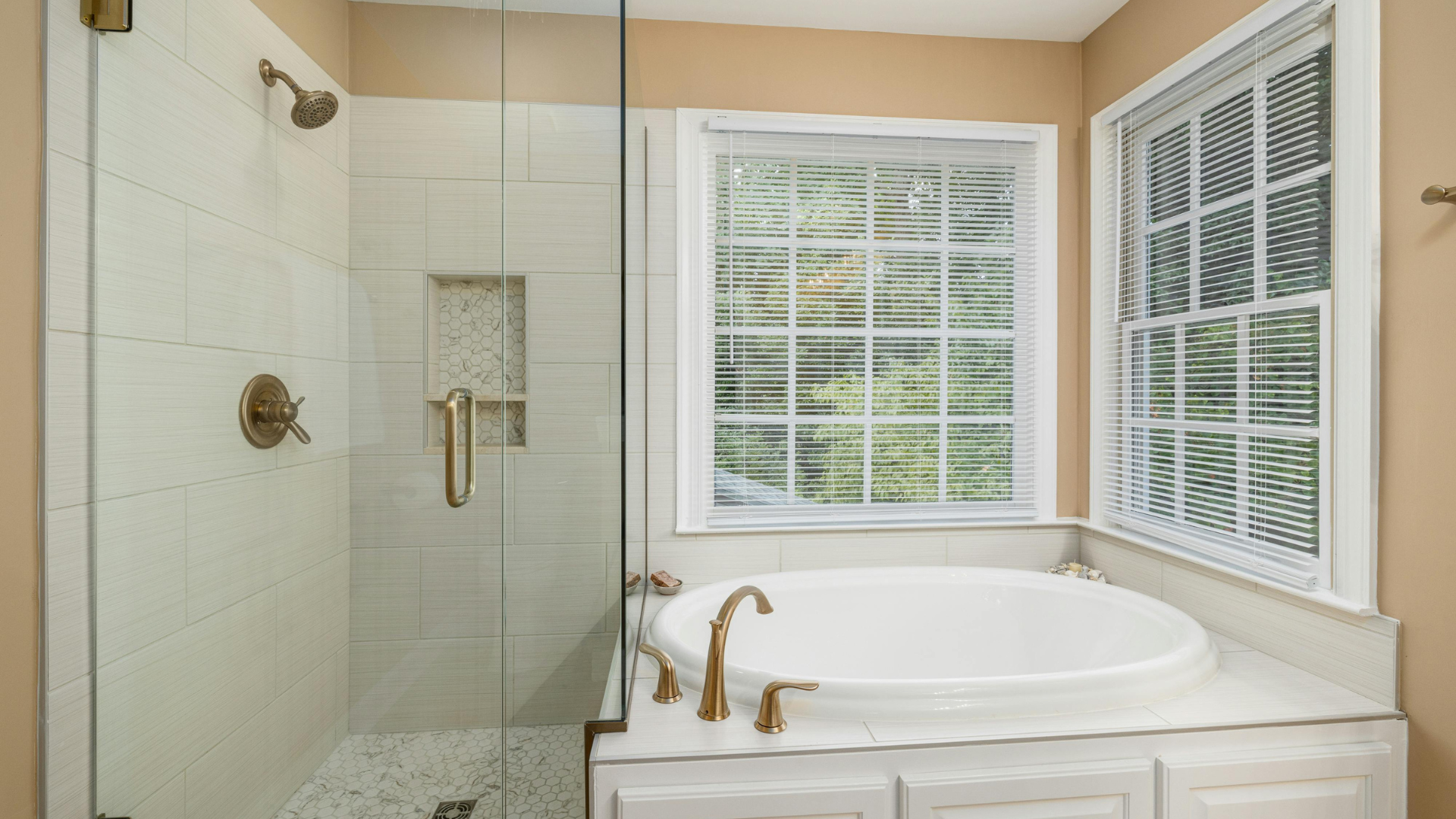
Enjoy moisture-resistant window treatments that add privacy and durability without sacrificing design.

Keep playtime safe and stylish with cordless shades designed for light control, safety, and fun patterns.

We make finding the perfect window treatments easy with our shop-at-home service. Simply schedule a free consultation, and we’ll bring a wide selection of shades, blinds and shutters samples directly to your home. This allows you to see samples in your space, ensuring they fit perfectly with your décor and lighting.

Our experts will provide personalized recommendations, take precise measurements, and offer transparent, affordable pricing—without the hassle of visiting a showroom.

We offer installation, so you can enjoy a seamless, custom-fit solution, all while saving time and money. Experience the convenience of choosing quality window treatments from the comfort of your home.


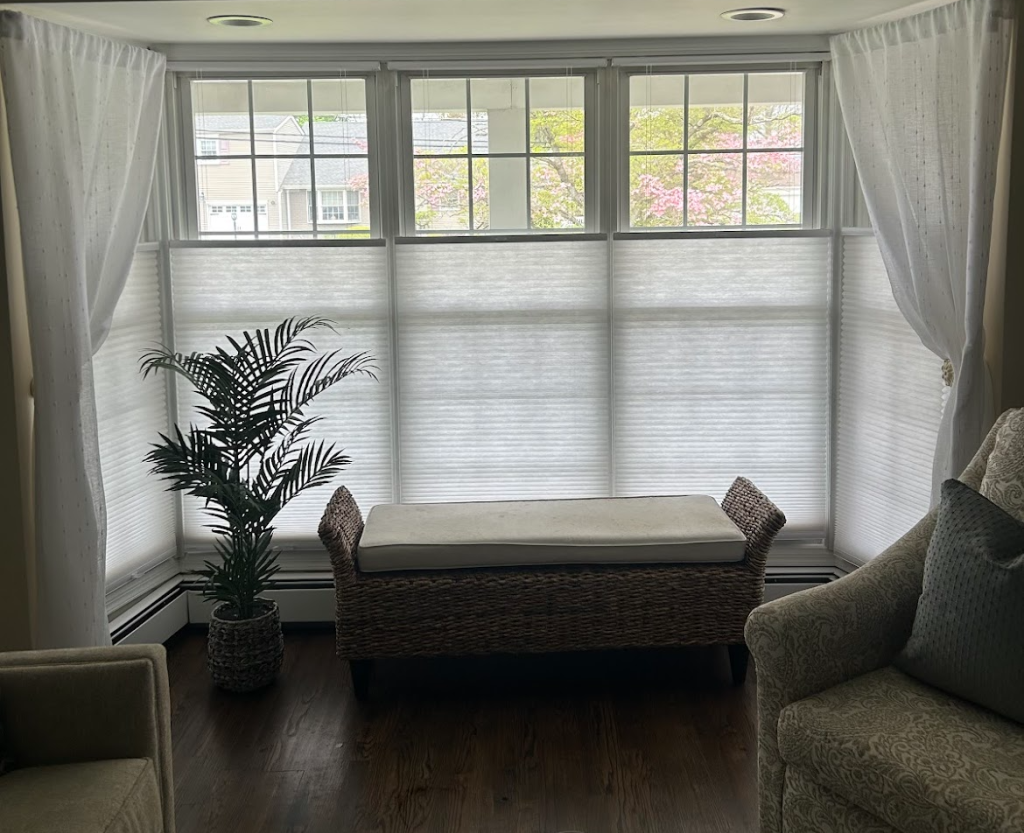
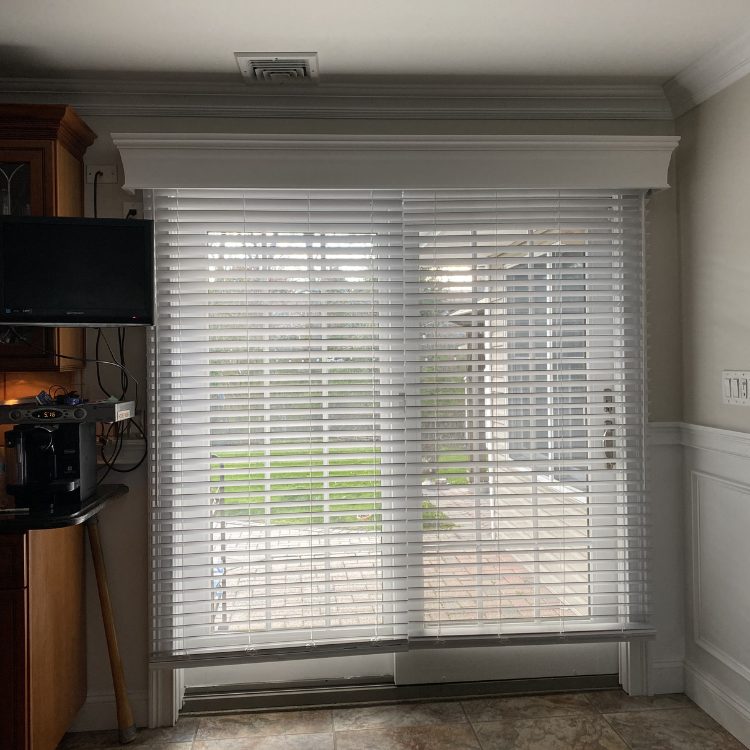
Finding the right window blinds near you doesn’t have to be a challenge. At Long Island Custom Blinds, we make the process simple by offering in-home consultations, expert recommendations, and precise measurements to ensure a perfect fit.
Our team serves all of Old Westbury and the surrounding areas, bringing samples directly to your door so you can see how different styles will look in your space.
From modern designs that maximize natural light to blackout options for bedrooms, we have something for every need and budget. Plus, with our professional installation services, you can rest assured that your window shades, blinds, or shutters will be securely mounted and built to last.
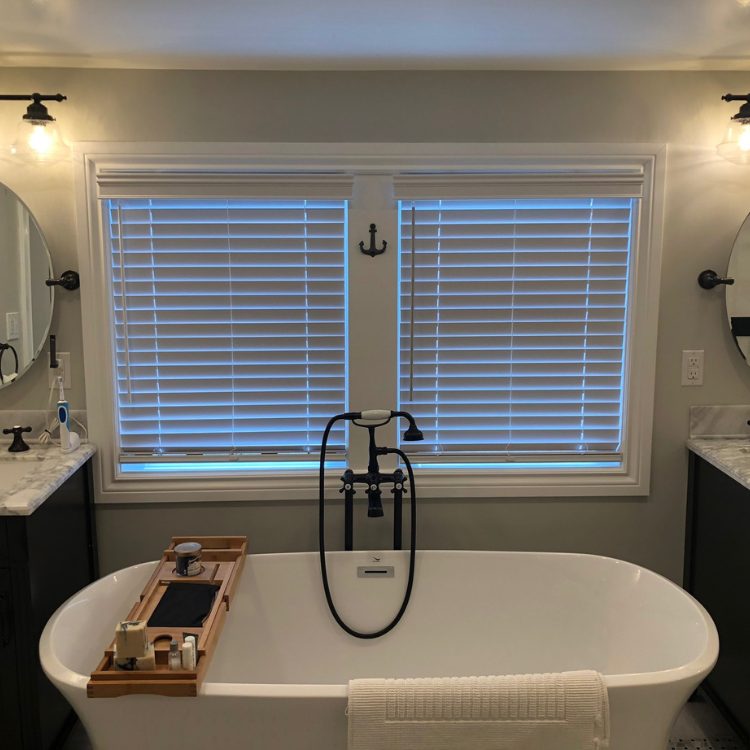
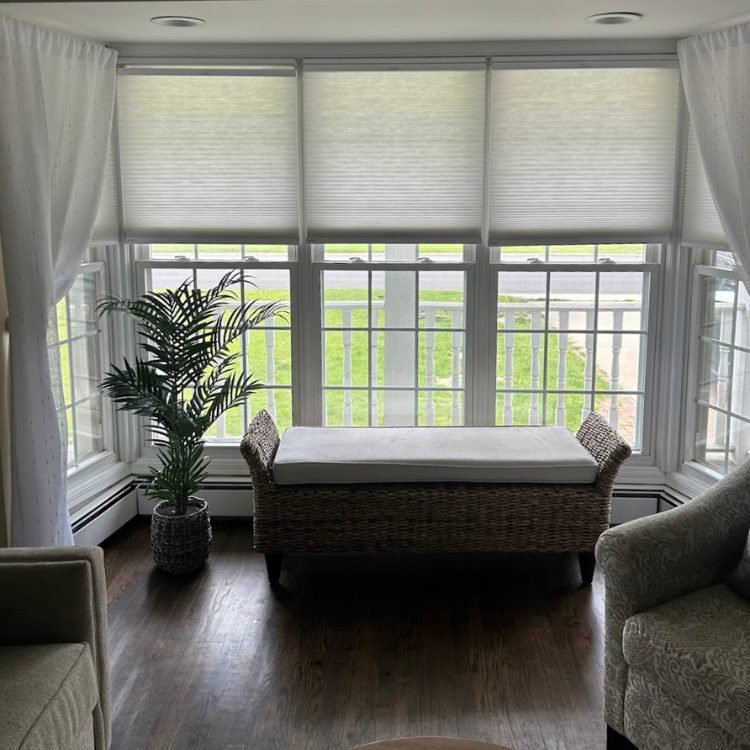
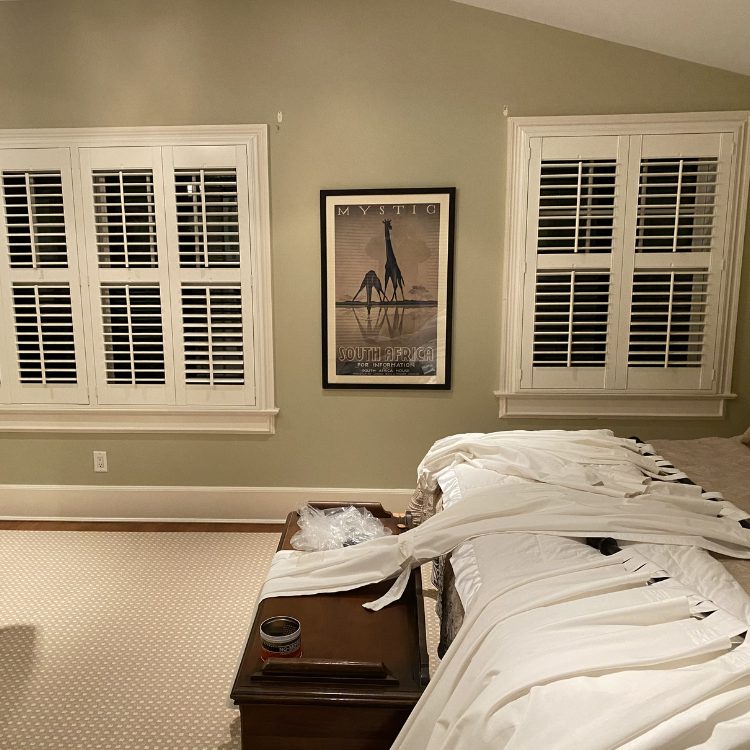
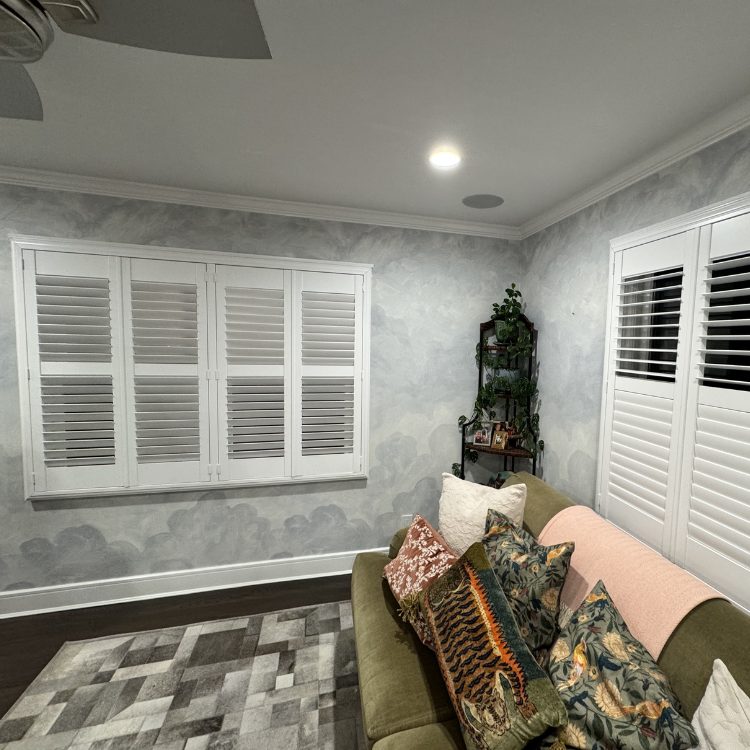
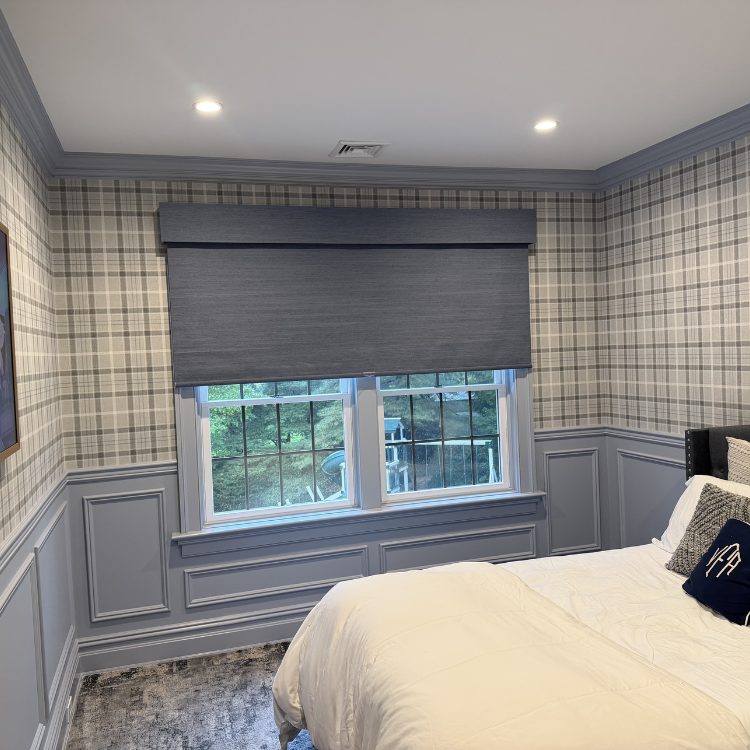
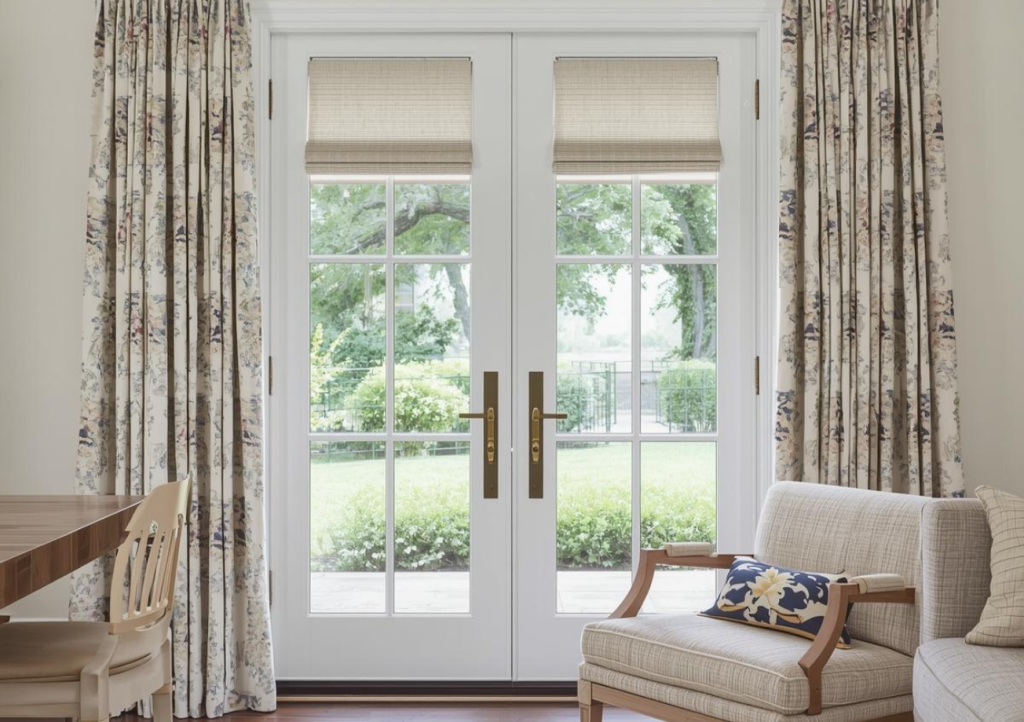
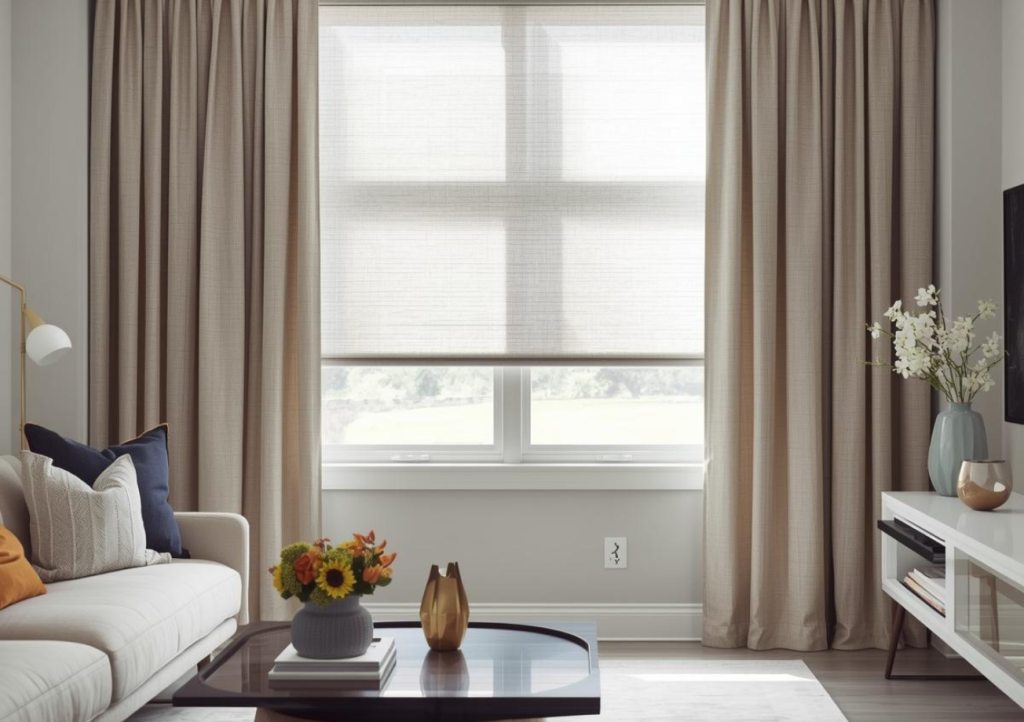
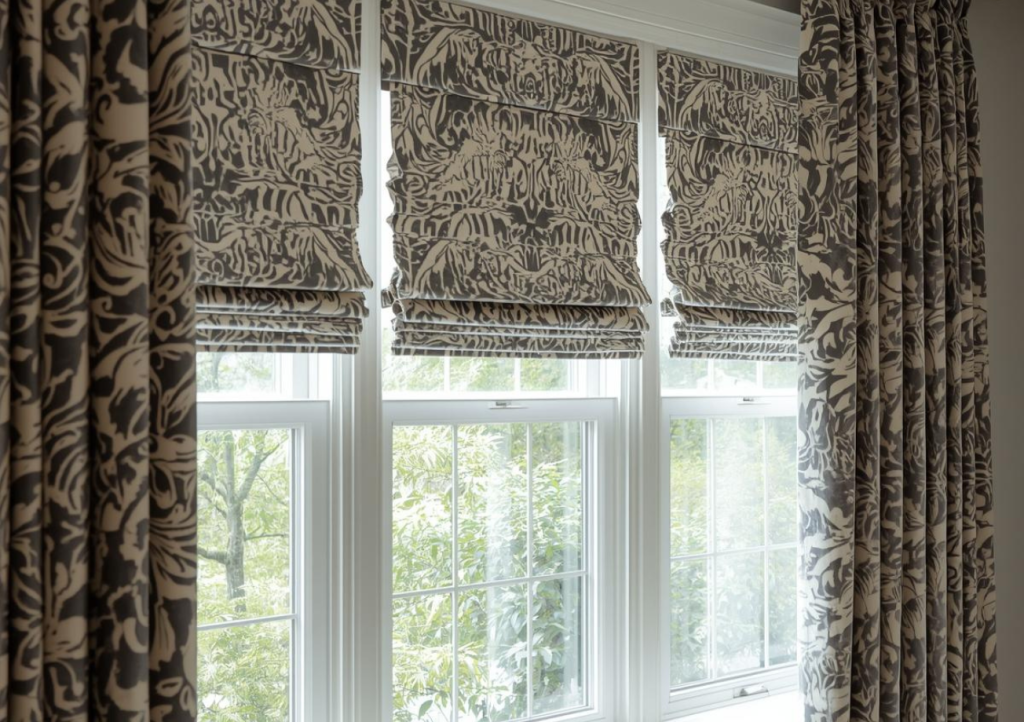

Sprawling across approximately 8.5 square miles of Long Island’s North Shore roughly 25 miles east of Manhattan, Old Westbury represents perhaps the most complete surviving embodiment of Gold Coast grandeur—a community where the Gilded Age vision of American aristocratic life persists in forms recognizable to the Whitneys, Phippses, and Guests who established vast estates here more than a century ago. With a population of merely 4,600-4,800 residents occupying one of Long Island’s largest municipalities by area, Old Westbury maintains population density so remarkably low—approximately 550 persons per square mile—that it approaches rural character despite location within the New York metropolitan region. This is no accident but rather the deliberate outcome of minimum lot requirements reaching five acres in some zones, fierce resistance to development of any kind, and a community ethos that values preservation of estate landscapes above all other considerations. If Sands Point represents concentrated waterfront wealth and East Hills embodies private exclusivity, Old Westbury represents something grander still: the preservation of entire pastoral landscapes where polo fields stretch toward distant tree lines, where private roads wind through hundreds of acres of family holdings, and where wealth operates at scales requiring not merely millions but tens or hundreds of millions of dollars to sustain.
The name “Old Westbury” distinguishes the village from the adjacent hamlet of Westbury—the “old” designation reflecting both earlier settlement patterns and the community’s self-conscious embrace of historical identity and traditional character. The area’s transformation from farmland to estate district began in the late 19th century when wealthy New York families—seeking country retreats accessible to Manhattan yet sufficiently distant to permit vast landholdings—discovered the gently rolling terrain, productive soil, and pleasant landscapes of this portion of Nassau County. The Phipps family (steel fortune through partnership with Andrew Carnegie), the Whitneys (oil, finance, and horse racing), the Guests (iron and steel), and other Gilded Age dynasties established properties measured not in acres but in hundreds of acres, creating private domains comparable to English country estates. The village incorporated in 1924, a defensive measure by estate owners seeking to prevent the suburban development transforming surrounding areas, and that fundamental purpose—preservation of estate character against all development pressure—continues defining Old Westbury’s governance and identity a century later.
Old Westbury’s demographic profile reveals a community where extraordinary wealth concentration, large-lot zoning, and estate preservation create patterns found in few other American places, though recent decades have brought demographic changes that complicate simple narratives of unchanging WASP aristocracy.
The population of approximately 4,600-4,800 residents has grown modestly over recent decades, from roughly 4,200 in 2000 to 4,400 in 2010 to current levels. This growth—approximately 10-15% over two decades—represents meaningful expansion for a community fundamentally oriented toward limiting development, reflecting some new construction on previously undeveloped parcels, subdivision of existing estates, and demographic changes within existing housing stock. The growth remains modest in absolute terms, adding perhaps 400-600 residents over twenty years, but any growth in a community dedicated to preservation represents notable change.
Racial and ethnic composition shows patterns intermediate between the overwhelming whiteness of communities like Sands Point and the surprising diversity of East Hills or Great Neck. White residents comprise approximately 75-80% of the population—lower than Sands Point’s 90%+ but higher than East Hills’ 60-65%. Asian residents represent roughly 12-16% of the population, a substantial presence though smaller than East Hills’ concentrations. Hispanic or Latino residents account for approximately 5-7%, and Black or African American residents comprise roughly 2-3%.
Arguments explaining Old Westbury’s demographic patterns:
Persistence of old-money families: Unlike communities where original estate families departed decades ago, Old Westbury retains meaningful presence of families whose ancestors established properties a century or more ago. The Phipps family maintains substantial holdings, as do descendants of other founding families. These multi-generational estate families are overwhelmingly white and Protestant, their continued presence anchoring demographic patterns to historical origins.
New wealth purchasing historic estates: As original families sell properties—whether due to deaths, estate tax pressures, changing preferences, or simple desire for liquidity—new purchasers enter the community. These buyers increasingly include wealthy Asian families (Chinese business owners, Korean executives, Indian entrepreneurs, Persian professionals), Jewish families, and others whose wealth enables purchase of properties that may exceed $10-30 million. This wealth diversification drives demographic change while maintaining economic exclusivity.
Five-acre zoning as ultimate barrier: Old Westbury’s most restrictive zones require minimum lots of five acres—among the largest minimum requirements in the New York metropolitan region. Even “modest” zones require one or two acres. These requirements ensure that only the very wealthiest can purchase properties, as even undeveloped five-acre lots may cost $2-5 million before any construction. Given racial wealth gaps, this extreme economic filtering produces substantial demographic homogeneity regardless of any discriminatory intent.
Educational institutions attracting diverse populations: Old Westbury hosts SUNY Old Westbury and the New York Institute of Technology, educational institutions whose presence creates some demographic complexity. Faculty, staff, and students associated with these institutions may reside in or near Old Westbury, adding diversity not present in purely residential estate communities. However, most institution-affiliated individuals live in neighboring communities where housing is affordable.
Equestrian culture as demographic anchor: Old Westbury’s identity centers substantially on equestrian pursuits—polo, fox hunting (now drag hunting), horse showing, and general horsemanship. This equestrian culture remains overwhelmingly white, creating social structures and community identity that reinforce historical demographic patterns even as new wealth enters the community.
Household income and wealth reach extraordinary levels that place Old Westbury among America’s wealthiest communities. Median household income estimates exceed $200,000-250,000, though these figures dramatically understate actual financial resources. Old Westbury contains numerous families whose net worth reaches hundreds of millions or billions of dollars—wealth levels where “income” becomes nearly meaningless as a measure since assets generate returns far exceeding any salary. The community includes current and former executives of major corporations, hedge fund managers, private equity principals, successful entrepreneurs, and inheritors of industrial-era fortunes whose wealth has compounded across generations.
Property values reflect these wealth levels with extraordinary range. “Modest” Old Westbury properties—smaller homes on one-to-two-acre lots—typically sell for $1.5-3 million. Mid-range estates on five-to-twenty acres command $5-15 million. The grandest properties—historic estates on fifty to one hundred+ acres with mansion houses, staff quarters, stables, and extensive grounds—can exceed $30-50 million, with exceptional properties occasionally reaching $75-100 million or more. Annual property taxes routinely exceed $50,000-100,000 for typical estates and can reach $200,000-500,000+ for the largest properties, creating ongoing costs that require extraordinary wealth to sustain.
Age distribution shows a mature profile with median age approaching 48-52 years—older than most suburban communities and reflecting both empty-nesters occupying large estates and the advanced age of multi-generational family members maintaining historic properties. Families with school-age children exist but represent minority, given the extraordinary costs of entry and the orientation of many properties toward adult lifestyles (equestrian pursuits, entertaining, country living) rather than child-rearing. Some properties function as secondary or seasonal residences for families whose primary homes lie elsewhere—Manhattan apartments, Florida winter homes, European properties—meaning census figures may not reflect actual occupancy patterns.
Educational attainment runs exceptionally high among resident families, with bachelor’s degree attainment likely exceeding 70% and graduate/professional degrees held by 35-40%+ of adults. These figures reflect the concentration of business leaders, professionals, and successful individuals comprising the population. However, some long-term estate staff—caretakers, groundskeepers, household employees—who may reside on properties bring different educational backgrounds, creating modest variation within overall high attainment.
Housing characteristics define Old Westbury’s essential character as estate district rather than conventional suburb. The housing stock consists almost exclusively of single-family estate properties on large lots—minimum one acre in the least restrictive zones, up to five acres in the most restrictive. Properties typically feature main residences of 6,000-15,000+ square feet, with some historic mansions exceeding 20,000-40,000 square feet. Supporting structures—guest houses, staff quarters, pool houses, stables, equipment buildings—add substantial additional square footage to many properties. Architectural styles vary widely: Georgian and Colonial Revival mansions from the early 20th century, Mediterranean villas, French châteaux-inspired structures, contemporary estates, and eclectic designs reflecting diverse owner preferences across construction eras.
The village contains essentially no apartments, condominiums, townhouses, or multi-family housing of any kind. Commercial development is virtually nonexistent, limited to a handful of establishments serving essential functions. The community exists as pure residential estate district, with residents traveling to neighboring communities for all shopping, dining, and services.
Education in Old Westbury operates through unusually complex arrangements reflecting the community’s geographic extent, small population, and estate character. Unlike compact villages where a single school district serves all residents, Old Westbury’s territory falls within multiple school districts, creating varied educational experiences depending on specific property location.
Multiple school districts serve Old Westbury residents:
East Williston Union Free School District serves portions of Old Westbury, providing access to the highly-regarded Wheatley School (the district’s high school) along with Willets Road School (elementary/middle). East Williston consistently ranks among Long Island’s top-performing districts, with SAT scores averaging 1300-1350+, graduation rates approaching 98-99%, and exceptional college placement including substantial representation at Ivy League and highly selective institutions. Families in East Williston-served portions of Old Westbury access genuinely elite public education rivaling the finest suburban districts nationally.
Jericho Union Free School District serves other portions of Old Westbury, similarly providing access to one of Long Island’s highest-performing districts. Jericho’s academic outcomes substantially exceed state and national averages, with particularly strong STEM programming and competitive college placement.
Westbury Union Free School District serves additional portions of Old Westbury, offering a dramatically different profile. Westbury serves a predominantly minority, lower-income population in the adjacent hamlet, with academic outcomes substantially below East Williston or Jericho levels. Old Westbury residents in Westbury district territory face a choice: accept schools serving very different demographics than their neighbors, pursue private education, or attempt (through various legal mechanisms) to access other districts.
Carle Place Union Free School District may serve small portions of Old Westbury, adding another district to the complex map.
This multi-district arrangement creates stark inequities within a single village: neighbors on adjacent properties may access dramatically different public educational opportunities based solely on which side of district boundaries they occupy. Families purchasing Old Westbury properties investigate district assignments carefully, with East Williston and Jericho territory commanding premium prices reflecting educational access.
Private school usage runs high in Old Westbury, perhaps higher than in communities with uniformly excellent public schools. Several factors drive private school choices:
District assignment concerns: Families in Westbury district territory often choose private schools to access educational quality unavailable through their assigned public schools. This creates economic burden even for wealthy families—$40,000-60,000+ annual tuition per child—but represents rational response to district assignment.
Social network and prestige considerations: Many Old Westbury families choose elite private schools—Friends Academy (located in nearby Locust Valley), Portledge School (also nearby), Green Vale School, various Manhattan private schools, or prestigious boarding schools—for social positioning, legacy connections, and access to networks unavailable through public education regardless of academic quality.
Religious education: Jewish families may choose Jewish day schools integrating secular and religious education. Catholic families may prefer parochial schools. Various religious traditions find expression through private educational choices.
Family tradition: Multi-generational estate families often maintain private school traditions spanning generations—grandfather attended Choate, father attended Choate, children attend Choate—independent of any assessment of current school quality.
SUNY Old Westbury occupies substantial territory within the village, providing public higher education serving approximately 4,500-5,000 students. The campus, established in 1965 on former estate land, offers bachelor’s and master’s degrees with particular strength in social sciences, education, and business. The student body demonstrates substantial diversity—approximately 30% Black, 25% Hispanic, 20% white, 15% Asian—creating demographic contrast with the surrounding estate community. The campus provides employment for faculty and staff, some of whom may reside in the village though most live in more affordable surrounding communities.
New York Institute of Technology also maintains substantial Old Westbury presence, offering undergraduate and graduate programs in technology, health sciences, architecture, and other fields. NYIT’s campus adds additional educational infrastructure and employment while serving student populations largely residing elsewhere.
The presence of two college campuses within an exclusive estate village creates interesting dynamics: Old Westbury simultaneously contains some of Long Island’s wealthiest estate properties and institutions serving diverse, often first-generation college students. These populations rarely interact—estate residents and college students occupy parallel universes within shared geography—but the juxtaposition creates complexity absent from purely residential estate communities.
Arguments about educational patterns:
Concerning perspective: The multi-district arrangement perpetuates educational inequality, with district boundaries determining life opportunities for children based on accident of geography. Wealthy families can purchase into desirable districts or afford private alternatives, while those assigned to weaker districts face limited options. The presence of excellent public schools adjacent to weak ones within a single village epitomizes American educational segregation.
Structural perspective: District boundaries reflect historical patterns and residential demographics rather than Old Westbury-specific decisions. The village cannot unilaterally reorganize school districts, and residents work within existing structures. Those seeking excellent public education purchase in appropriate districts; those with other priorities make different choices. The system functions, if imperfectly.
Practical reality: Most Old Westbury families either purchase in East Williston or Jericho territory specifically for school access or choose private schools regardless of district assignment. The Westbury district issue primarily affects lower-income families in adjacent areas rather than Old Westbury estate residents who can afford alternatives.
Tourism in Old Westbury operates at modest but meaningful levels, distinguishing the village from completely private enclaves like East Hills or Sands Point (outside the preserve). The presence of Old Westbury Gardens—one of America’s finest historic house museums and formal gardens—creates tourism infrastructure absent from most estate communities while raising questions about preservation, access, and the relationship between private wealth and public benefit.
Old Westbury Gardens represents Old Westbury’s signature attraction and one of Long Island’s most significant cultural resources. The estate, originally home to John Shaffer Phipps (son of Henry Phipps, Andrew Carnegie’s partner in Carnegie Steel) and his wife Margarita Grace Phipps, encompasses approximately 200 acres of formal gardens, meadows, woodlands, and the magnificent Westbury House—a Charles II-style mansion completed in 1906. The property opened to the public in 1959, when the Phipps family established the Old Westbury Gardens foundation to preserve the estate and share it with visitors.
The gardens and grounds feature extraordinary horticultural displays representing one of America’s finest examples of early 20th-century estate garden design. Formal gardens include the Walled Garden (spectacular display of flowers and ornamental plants), the Rose Garden (extensive collection of heritage and modern roses), the Primrose Walk, the Ghost Walk (lined with European hornbeam), and numerous other designed spaces. The Demonstration Gardens provide educational programming about horticultural techniques. Woodlands, meadows, and naturalistic plantings complement the formal areas, creating varied landscape experiences across the 200-acre property. The gardens maintain seasonal displays—spring bulbs, summer perennials, autumn foliage, winter structure—ensuring year-round interest for visitors.
Westbury House offers tours interpreting early 20th-century Gold Coast life through original furnishings, art collections, and domestic arrangements. The house contains period furniture, paintings, decorative arts, and family possessions that evoke the lifestyle John and Margarita Phipps created. Tours explain the house’s architecture, the family’s history, the estate’s role in Gold Coast society, and the broader context of Gilded Age wealth and culture. Unlike many historic houses that lost original contents, Westbury House retains remarkable integrity, offering authentic glimpse into elite early 20th-century life.
Visitation and programming: Old Westbury Gardens attracts approximately 100,000-120,000 visitors annually—substantial for a historic house museum, though modest compared to major tourist destinations. Peak visitation occurs during spring (tulips, flowering trees), early summer (roses, perennial gardens), and fall (foliage, harvest displays). Special events—garden tours, horticultural lectures, outdoor concerts, theatrical performances, holiday celebrations—supplement regular visitation and attract diverse audiences. Educational programming serves thousands of students annually through school group visits, though capacity constraints limit expansion. The estate also hosts weddings, corporate events, and private functions generating revenue supporting preservation and operations.
Arguments supporting Old Westbury Gardens’ significance:
The estate provides irreplaceable public access to authentic Gold Coast heritage, offering experiences impossible to replicate. The gardens rank among America’s finest, providing horticultural education and aesthetic experience unavailable elsewhere on Long Island. The intact mansion with original contents offers historical interpretation of extraordinary quality. The Phipps family’s decision to establish public access rather than subdividing for development represents admirable stewardship that benefits millions of visitors across decades. Film and television productions utilizing the estate (including scenes from various movies and series) extend cultural impact beyond direct visitation. Educational programming connects students to local, regional, and national history. The estate’s preservation protects open space and natural resources within an increasingly developed region.
Arguments acknowledging limitations:
The estate operates with limited resources constraining programming, maintenance, and visitor services. Admission fees ($14+ for adults) create access barriers for lower-income visitors. The estate primarily attracts affluent, educated visitors—precisely those already possessing cultural capital—rather than democratizing access to elite heritage. The interpretation may romanticize Gold Coast wealth without adequately addressing how that wealth was accumulated or its relationship to inequality. The estate’s preservation, while admirable, benefits primarily from Phipps family resources rather than demonstrating sustainable preservation models applicable to other properties. Visitation, while substantial, remains modest compared to what the resource might support with enhanced marketing, programming, and facilities.
The balanced assessment:
Old Westbury Gardens represents genuine treasure—one of America’s finest historic estates accessible to the public, providing educational and aesthetic experiences of exceptional quality. Visitors interested in Gold Coast heritage, historic gardens, or early 20th-century elite life find exceptional value. The Phipps family’s preservation vision created public benefit that private development would have precluded. However, expectations should be calibrated: this is a well-managed historic site with limited resources rather than a major museum with comprehensive programming. The estate succeeds admirably within its scope while acknowledging constraints that limit broader impact.
Beyond Old Westbury Gardens, the village offers essentially no tourism infrastructure:
Private estates: The hundreds of private estates constituting most of Old Westbury remain completely closed to public access. Gates, walls, hedges, and private roads prevent viewing or visitation. Whatever architectural treasures, gardens, or landscapes exist on private properties remain accessible only to owners and their guests. The community actively opposes any tourism development beyond Old Westbury Gardens that might compromise privacy or estate character.
SUNY Old Westbury campus: The college campus is technically accessible to the public, though it functions as an educational institution rather than tourist attraction. The campus occupies former estate land with some historic landscape features, but these are not interpreted or promoted for tourism. Visitors might explore the campus casually, but it offers no organized tourism experience.
Equestrian facilities: Old Westbury’s polo fields, hunt clubs, and equestrian facilities occasionally host events that attract spectators, but these function as private recreational facilities rather than tourism infrastructure. Polo matches may be semi-public on occasion, offering glimpses into equestrian culture, but consistent public access doesn’t exist.
Commercial establishments: The handful of commercial properties in Old Westbury serve essential functions (a country store, limited services) rather than attracting tourists. No restaurants, hotels, entertainment venues, or tourism businesses operate within the village.
Arguments for expanded tourism:
Old Westbury’s extraordinary estate heritage—the concentration of historic properties, landscapes, and architectural treasures—could support substantially expanded heritage tourism if property owners cooperated. Estate tours, garden visits, architectural interpretation, and cultural programming could generate economic activity while educating visitors about Gold Coast history. The equestrian culture offers tourism potential through polo tourism, horse show attendance, and hunt-related programming. Enhanced marketing and regional tourism coordination could increase visitation to Old Westbury Gardens, generating additional revenue supporting preservation.
Arguments against tourism expansion:
Private property owners purchased estates specifically for privacy and would never permit public access regardless of tourism potential. The community’s wealth means tourism revenue is completely unnecessary for fiscal health. Tourism development would increase traffic, compromise privacy, and alter the estate character that defines Old Westbury’s identity. Infrastructure limitations—roads designed for estate access rather than tourism traffic, no parking facilities, no visitor services—would require substantial investment to support expanded tourism. The community’s governance structures and resident preferences make tourism expansion politically impossible. Old Westbury Gardens provides sufficient public access; expanding beyond it would betray the community’s fundamental purpose.
The realistic trajectory:
Old Westbury will likely maintain current tourism levels centered on Old Westbury Gardens without significant expansion. The gardens will continue providing exceptional visitor experiences within resource constraints, potentially enhancing programming and facilities incrementally. Private estates will remain completely closed to public access, with the vast majority of Old Westbury’s land area and architectural heritage inaccessible to non-residents. This arrangement reflects the community’s values and political economy—Old Westbury Gardens exists because one family chose preservation over development, but similar choices by other families seem unlikely given privacy preferences and the absence of tax or other incentives encouraging public access.
The broader question of heritage access: Old Westbury raises important questions about cultural heritage and public access. The community contains irreplaceable architectural and landscape heritage—historic estates, designed gardens, cultural landscapes—that exists almost entirely beyond public view or access. Is this problematic? Should communities containing heritage resources have obligations to provide public access? Do property rights trump heritage preservation concerns? These philosophical questions extend beyond Old Westbury to all private ownership of cultural resources, but Old Westbury’s concentration of heritage makes them particularly acute here.
