If You’re Buying Blinds in Syosset or Great Neck, Avoid This Common Mistake
The mistake isn’t picking the wrong color. It isn’t even picking the wrong style. The most common — and most expensive — mistake homeowners in Syosset and Great Neck make

Discover high-quality, affordable window treatments with your local, shop-at-home service.
Discover high-quality, affordable window treatments with your local, shop-at-home service.






Peace of mind with every install
Proudly serving Long Island
for over 10 years
We don’t leave until it’s perfect
5-Star Reviews on Google
| Feature | Long Island Custom Blinds | Big Box Stores |
|---|---|---|
| Free In-Home Consultation | Yes — we bring the showroom to you | No — visit the store and DIY |
| Custom Measurements | Every window is precisely measured | Often relies on standard sizes |
| Design Guidance | Expert help choosing colors, styles, and materials | You're on your own |
| Product Quality | Premium materials built to last | Often mass-produced, lower quality |
| Professional Installation | Offered with every order | May require 3rd party or self-install |
| Local Support & Service | Speak directly with your installer/designer | 1-800 number or store associate |
| Speed & Flexibility | Quick turnaround & flexible scheduling | Delays and rigid systems |
| Lifetime Client Relationship | We're your go-to for future projects & upgrades | One-and-done sale |
| Reputation in the Community | 5-Star reviews from Long Island homeowners | Mixed reviews, impersonal service |
| Pricing Transparency | Clear estimates — no surprise fees | Hidden fees for delivery or install |
| Value for Money | High quality at competitive prices | Lower upfront, higher long-term cost |
| Feature | Long Island Custom Blinds | Big Box Stores |
|---|---|---|
| Free In-Home Consultation | ✓ | × |
| Custom Measurements | ✓ | × |
| Design Guidance | ✓ | × |
| Product Quality | ✓ | × |
| Professional Installation | ✓ | × |
| Local Support & Service | ✓ | × |
| Speed & Flexibility | ✓ | × |
| Lifetime Client Relationship | ✓ | × |
| Reputation in the Community | ✓ | × |
| Pricing Transparency | ✓ | × |
| Value for Money | ✓ | × |
From cozy entryways to bright kitchens, get inspired by these curated looks and make every room feel like home.

Brighten your cooking space with blinds and shades that bring warmth, style, and light control to every meal.

Create a cozy retreat with blackout or light-filtering shades that help you rest and recharge in comfort.

Frame your view beautifully with drapes and blinds that balance natural light and privacy for everyday living.

Enjoy moisture-resistant window treatments that add privacy and durability without sacrificing design.

Keep playtime safe and stylish with cordless shades designed for light control, safety, and fun patterns.

We make finding the perfect window treatments easy with our shop-at-home service. Simply schedule a free consultation, and we’ll bring a wide selection of shades, blinds and shutters samples directly to your home. This allows you to see samples in your space, ensuring they fit perfectly with your décor and lighting.

Our experts will provide personalized recommendations, take precise measurements, and offer transparent, affordable pricing—without the hassle of visiting a showroom.

We offer installation, so you can enjoy a seamless, custom-fit solution, all while saving time and money. Experience the convenience of choosing quality window treatments from the comfort of your home.


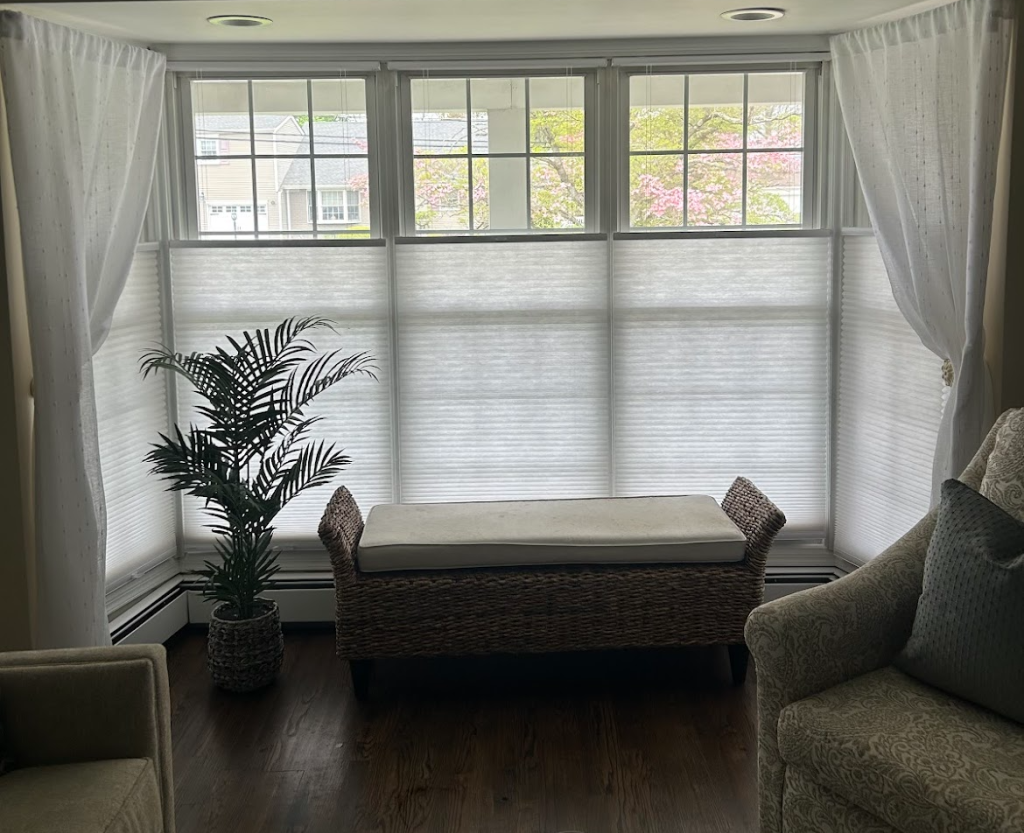
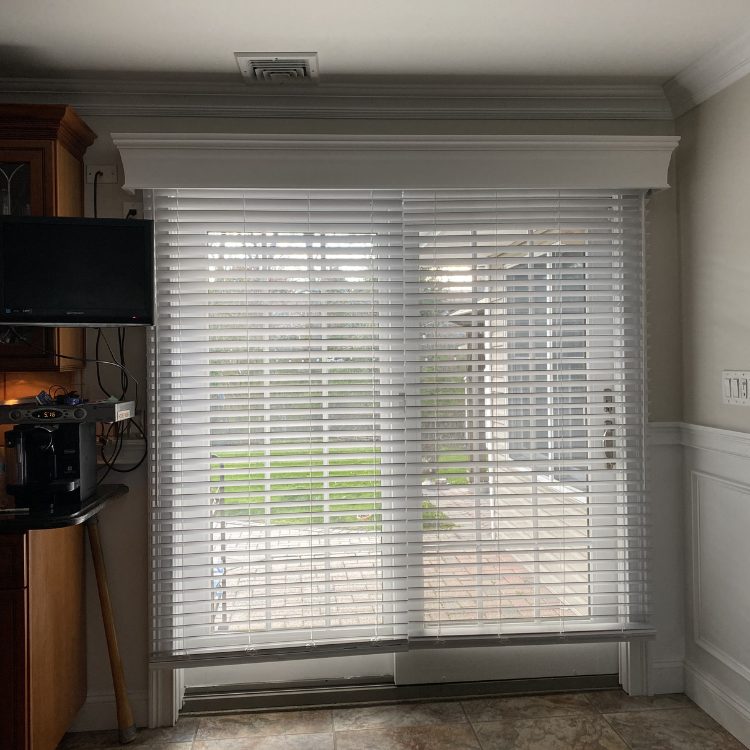
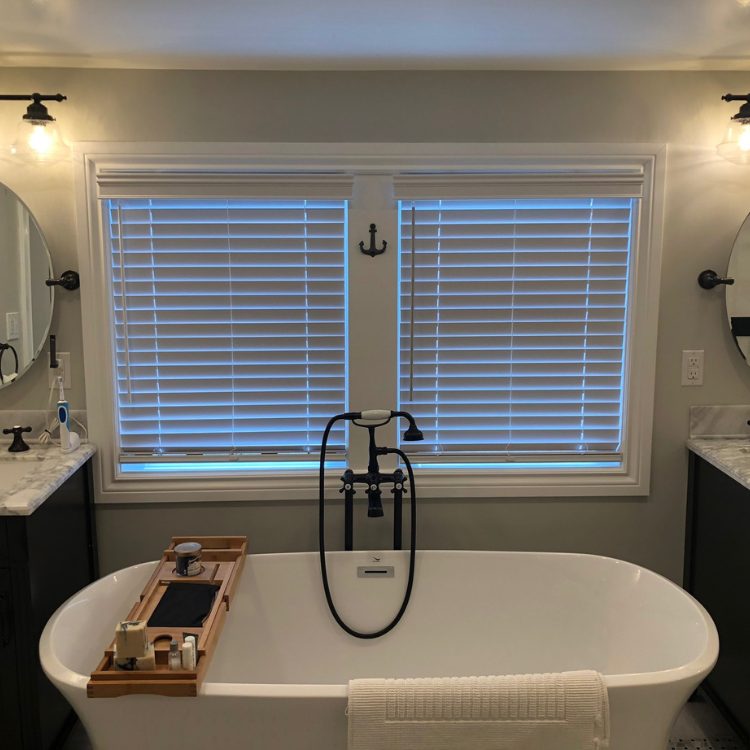
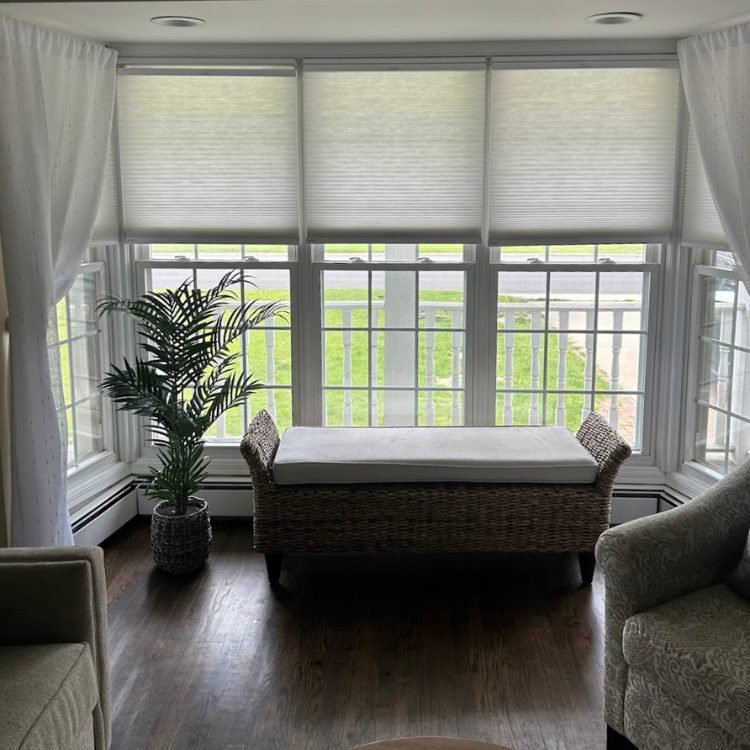
Finding the right window blinds near you doesn’t have to be a challenge. At Long Island Custom Blinds, we make the process simple by offering in-home consultations, expert recommendations, and precise measurements to ensure a perfect fit.
Our team serves all of Matinecock and the surrounding areas, bringing samples directly to your door so you can see how different styles will look in your space.
From modern designs that maximize natural light to blackout options for bedrooms, we have something for every need and budget. Plus, with our professional installation services, you can rest assured that your window shades, blinds, or shutters will be securely mounted and built to last.
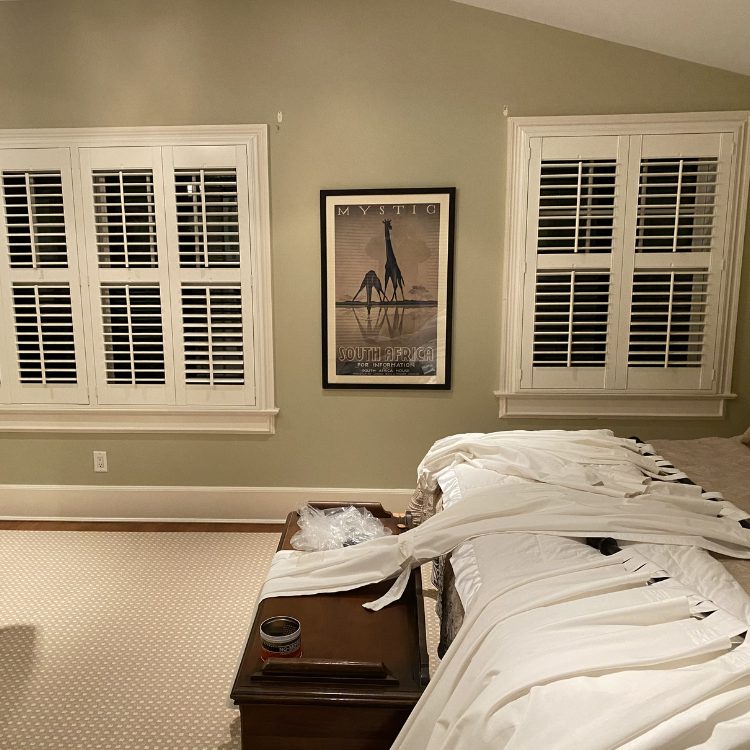
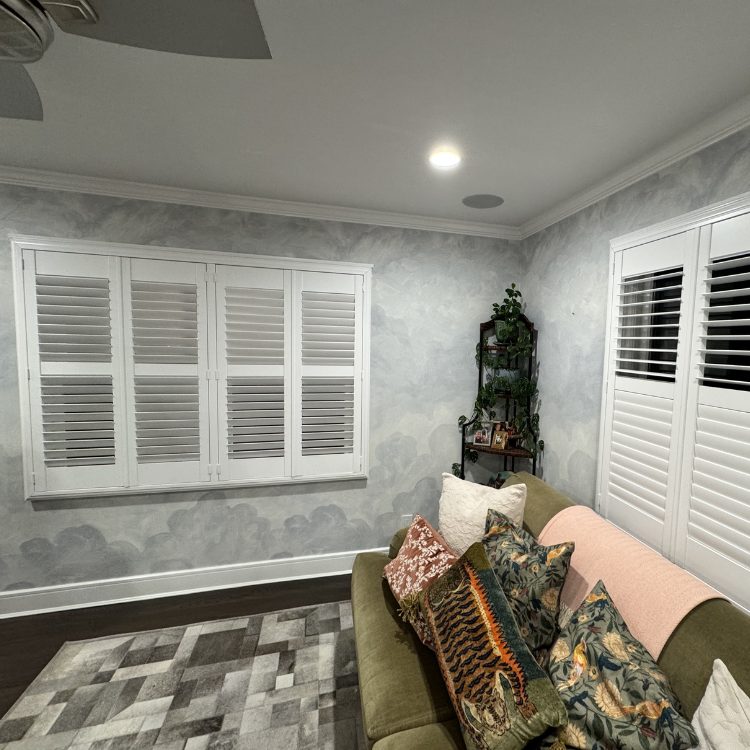
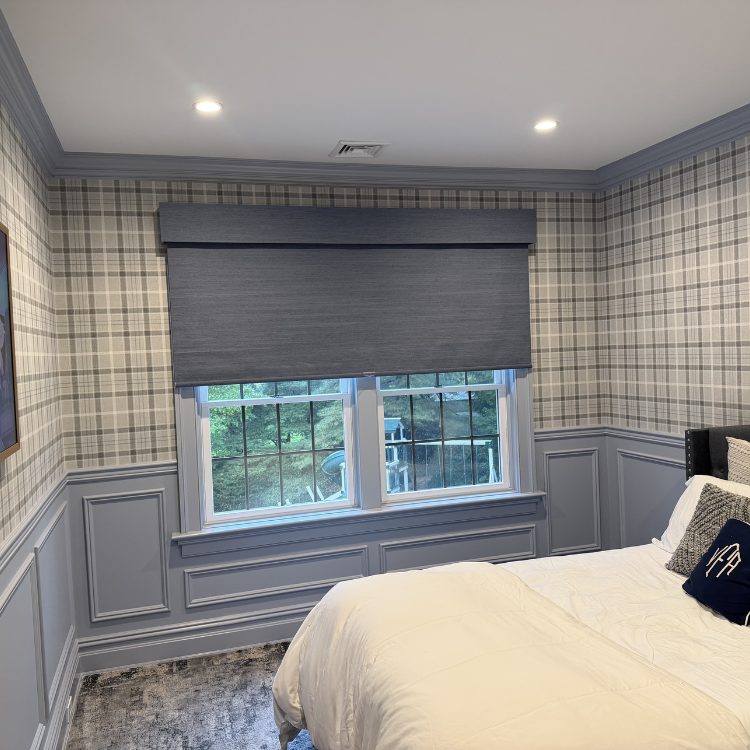
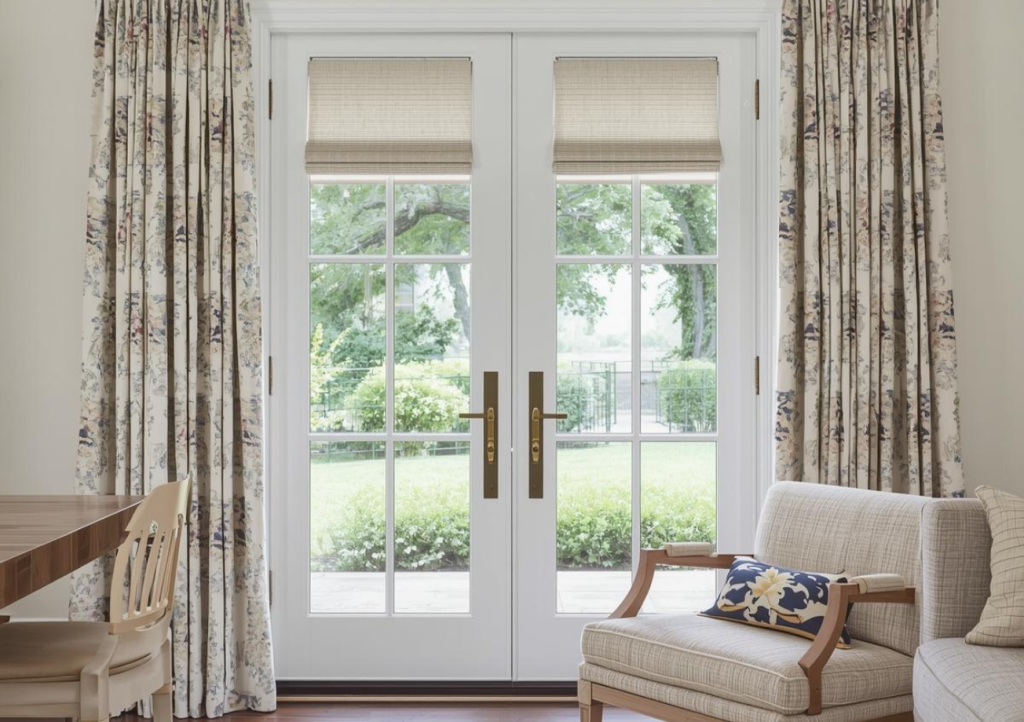



Occupying approximately 3.2 square miles of heavily wooded terrain on Long Island’s North Shore approximately 32 miles east of Manhattan, Matinecock represents perhaps the purest expression of Gold Coast exclusivity—a village so deliberately invisible, so thoroughly privatized, and so completely dedicated to preserving estate character that it barely registers as existing to anyone not specifically seeking it. With a population of merely 850-950 residents spread across territory that would house tens of thousands in conventional suburban development, Matinecock maintains population density so remarkably low (approximately 280-300 persons per square mile) that it approaches wilderness character despite location within the New York metropolitan region. This is no accident but rather the deliberate outcome of minimum lot requirements reaching five acres in some zones, fierce resistance to any development whatsoever, and a founding ethos that prioritized total exclusion over all other considerations. If Sands Point represents concentrated waterfront wealth, Old Westbury polo grandeur, and Brookville deliberate obscurity, Matinecock represents something more fundamental still: the complete privatization of landscape itself, where vast estates disappear entirely behind woodland screens, where no commercial activity of any kind exists, and where the village functions not as community in any conventional sense but as legal mechanism enabling a handful of extraordinarily wealthy families to preserve their domains against any intrusion.
The name “Matinecock” derives from the Algonquian-speaking Matinecock people who inhabited the area before European colonization—one of the few Long Island communities acknowledging Native American heritage through its very name, though this acknowledgment has never translated into any meaningful engagement with Native American history, land rights, or contemporary communities. English settlers displaced the Matinecock people in the 17th century, establishing agricultural patterns that persisted for two centuries until Gold Coast transformation began.
The village incorporated in 1928, joining the wave of Gold Coast incorporations designed explicitly to prevent suburban development from reaching estate properties. The incorporation represented not community formation but defensive fortification—wealthy families creating municipal boundaries and governance structures specifically to ensure that no one else could ever tell them what to do with their land. This founding purpose remains perfectly intact nearly a century later: Matinecock exists to preserve estate character, and every aspect of village governance serves this singular goal.
Matinecock’s demographic profile reveals a community so small, so wealthy, and so homogeneous that conventional demographic analysis becomes almost meaningless—statistical portraits of a population that could fit comfortably in a large hotel, possessing wealth that places them among the most privileged humans on earth.
The population of approximately 850-950 residents has remained remarkably stable for decades, fluctuating only modestly as families arrive, depart, expand, or contract. This stability reflects successful achievement of the village’s founding purpose: limiting population to those who can afford multi-acre estates and preventing any development that might increase density. The tiny population occupying 3.2 square miles creates density comparable to rural areas rather than anything recognizably suburban.
Racial and ethnic composition shows overwhelming homogeneity characteristic of the most exclusive American communities:
White residents comprise approximately 92-96% of the population—among the highest percentages anywhere on Long Island and dramatically exceeding more diverse North Shore communities. This overwhelming whiteness reflects extreme wealth barriers (very few non-white Americans possess wealth sufficient for Matinecock properties), historical patterns of exclusion, and the self-selecting nature of communities where old-money values and established families predominate.
Asian residents represent roughly 2-4% of the population—modest presence reflecting some entry of Asian wealth into formerly homogeneous enclaves. Hispanic or Latino residents account for approximately 1-2%, and Black or African American residents comprise less than 1%—essentially token presence within overwhelmingly white population.
Arguments explaining Matinecock’s demographic composition:
Extreme wealth as ultimate filter: Matinecock properties typically sell for $3-10 million, with exceptional estates exceeding $15-25 million or more. Annual property taxes routinely exceed $80,000-150,000, with some properties paying $200,000+ annually. These costs require net worth measured in tens of millions at minimum, more typically hundreds of millions, to sustain comfortably. This extreme wealth barrier restricts access to perhaps the wealthiest 0.1% of American households. Given that white Americans hold approximately 85% of household wealth in the $10 million+ category, extreme wealth filtering produces extreme demographic homogeneity regardless of any discriminatory intent.
Old-money character and social patterns: Unlike communities where new wealth continuously enters through property purchases, Matinecock’s old-money character creates social patterns potentially discouraging demographic diversification. Established families, multi-generational residents, and social networks centered on traditional institutions (country clubs, Episcopal churches, boarding school connections) create community character that newer, more diverse wealth may find unwelcoming or simply uninteresting.
Five-acre minimums preventing entry points: Matinecock’s most restrictive zones require minimum lots of five acres, and even less restrictive zones require multi-acre minimums. These requirements ensure that even “modest” properties—if such term applies—require extraordinary land holdings. No apartments, no townhouses, no smaller single-family homes exist that might provide entry at any price point below the multi-million-dollar threshold.
Self-selection for invisibility: Families choosing Matinecock specifically seek total privacy and invisibility. Those wanting social prominence choose Manhasset; those seeking cultural engagement choose communities with amenities; those prioritizing schools target Jericho or Great Neck. Matinecock attracts those wanting to disappear entirely—a preference that may correlate with particular demographic characteristics.
Household income and wealth reach levels requiring different conceptual frameworks than conventional demographic analysis:
Median household income figures (often reported around $200,000-250,000) dramatically understate actual financial resources. Many Matinecock residents derive wealth from investments, family trusts, business ownership, and asset appreciation that may not appear as taxable income. Net worth among substantial portions of the population likely reaches $50-200 million, with some families possessing wealth measured in billions.
The village contains current and former CEOs of major corporations, hedge fund managers, private equity principals, inheritors of industrial-era fortunes, and others whose wealth places them among the most financially privileged humans in history. This concentration of extreme wealth creates a community where million-dollar decisions constitute routine matters and where multi-million-dollar property taxes represent acceptable costs of desired privacy.
Age distribution shows a mature profile with median age approaching 52-58 years—substantially older than typical suburbs, reflecting both empty-nesters occupying large estates and multi-generational family members maintaining historic properties. The extraordinary costs of entry mean most residents arrive already wealthy rather than building wealth after purchase, selecting for older demographics. Families with young children exist but remain minority given the estate-focused lifestyle and distance from schools, activities, and social opportunities that families with children typically seek.
Educational attainment runs exceptionally high, with bachelor’s degree attainment likely exceeding 80% and graduate/professional degrees held by 40-50%+ of adults. These figures reflect the concentration of business leaders, professionals, and successful individuals—or their spouses and descendants—comprising the population.
Housing characteristics define Matinecock’s essential character as pure estate district:
The housing stock consists exclusively of large single-family estates on multi-acre lots. Minimum lot sizes of 2-5+ acres ensure estate character throughout the village. Properties typically feature main residences of 6,000-15,000+ square feet, with some historic mansions exceeding 20,000-30,000 square feet. Supporting structures—guest houses, staff quarters, pool houses, stables, tennis facilities, equipment buildings—add substantial additional square footage to many properties.
Architectural styles vary widely: Georgian and Colonial Revival mansions from the early 20th century, Tudor estates, French-inspired châteaux, Mediterranean villas, contemporary constructions, and eclectic designs reflecting diverse owner preferences across construction eras. No dominant architectural character exists, though all properties share scale and quality reflecting extraordinary construction and maintenance budgets.
The heavily wooded character distinguishes Matinecock from communities with more open, pastoral landscapes. Properties disappear behind dense woodland, invisible from roads and neighboring properties. Driving through Matinecock reveals primarily trees—estates existing entirely out of sight, their presence indicated only by gated driveways and distant glimpses of rooflines. This woodland screening provides privacy more complete than in communities with more visible estates.
The village contains no apartments, no condominiums, no townhouses, no multi-family housing, no commercial development, no retail establishments, no restaurants, no shops, no offices—nothing whatsoever beyond single-family estates and the minimal infrastructure (roads, utilities) enabling their existence. Residents travel to Locust Valley, Glen Cove, or beyond for all commercial needs.
Education in Matinecock operates through the Locust Valley Central School District, which serves Matinecock along with neighboring Lattingtown, Mill Neck, Upper Brookville, and Locust Valley itself. This district configuration creates unusual dynamics: estate village families sharing school district with more modest Locust Valley households, creating some integration across dramatic economic divides.
The Locust Valley Central School District operates Ann MacArthur Primary School (grades K-2), Locust Valley Intermediate School (grades 3-5), Locust Valley Middle School (grades 6-8), and Locust Valley High School (grades 9-12), serving approximately 1,800-2,100 students total.
Matinecock’s contribution to school enrollment proves modest given the tiny population and demographics. With fewer than 1,000 total residents, many of them older adults without school-age children, Matinecock generates perhaps only 50-100 students across all grades—a small fraction of total district enrollment. This limited presence means Matinecock families, despite extraordinary wealth, don’t numerically dominate district affairs.
Academic performance in Locust Valley schools reflects solid-but-not-elite positioning:
SAT scores averaging approximately 1200-1280 place the district above national averages but below the 1350-1400 levels in districts like Jericho or Manhasset. Graduation rates approach 95-97%. Per-pupil spending exceeds $30,000 annually, supported substantially by property taxes on estate village properties assessed at millions of dollars each.
Arguments about educational patterns in Matinecock:
Limited public school usage: Given Matinecock’s old-money character and wealth concentration, private school usage likely runs exceptionally high. Families may choose private education for social positioning, family tradition, values alignment, or simple preference for exclusive environments matching their residential choices. Friends Academy, Portledge School, Green Vale School, various Manhattan private schools, and prestigious boarding schools (Choate, Andover, Exeter, Deerfield) attract Matinecock families regardless of public school quality.
Multi-generational school traditions: Old-money families often maintain educational traditions spanning generations—grandfather attended St. Paul’s, father attended St. Paul’s, children attend St. Paul’s—independent of any assessment of current educational quality. These traditions mean public school performance matters less to families who would choose private schools regardless.
School quality as secondary consideration: Families choosing Matinecock prioritize privacy and estate character over virtually all other factors. Those prioritizing maximum educational quality would choose communities within Jericho, Manhasset, or other top-performing districts. Matinecock’s Locust Valley district assignment represents acceptable arrangement rather than primary attraction.
The balanced reality:
Matinecock residents have access to solid public education through Locust Valley schools, but many likely choose private alternatives for reasons unrelated to public school quality. The district benefits from property tax revenue generated by multi-million-dollar estates while serving primarily students from more modest Locust Valley households. This arrangement—estate villages supporting school districts they minimally use—characterizes several Gold Coast communities.
Tourism in Matinecock operates at absolute zero levels—not merely minimal tourism but complete absence of any public presence, any attractions, any commercial activity, any reason whatsoever for non-residents to enter the village. This total absence represents not failure to develop tourism but deliberate achievement of the village’s founding purpose: complete exclusion of anyone not specifically invited by residents.
The complete absence of any public dimension reflects deliberate design:
No commercial development whatsoever: Matinecock contains no restaurants, no shops, no retail establishments, no offices, no commercial facilities of any kind. The village exists as pure residential space without even the minimal commercial presence found in some estate communities. Zoning prohibits commercial development absolutely; any proposal would face certain rejection. Residents travel to Locust Valley, Glen Cove, or beyond for all commercial needs.
No public facilities or gathering spaces: The village contains no public parks, no community centers, no libraries, no municipal facilities open to or attracting any public. Village government operates from minimal facilities handling only essential functions. No public spaces exist where visitors might gather, explore, or experience the community. The Piping Rock Club, one of Long Island’s most exclusive country clubs, straddles Matinecock and Locust Valley, but this private institution serves only members and guests, providing no public access whatsoever.
No historic sites or cultural attractions: Despite containing some of Long Island’s grandest estates, Matinecock has preserved none for public access. No Old Westbury Gardens exists here—no estate has been converted to museum or public garden. No historic district designation creates preservation tourism. No architectural attraction draws enthusiasts because all properties remain completely private.
Dense woodland hiding everything: Driving through Matinecock reveals almost exclusively trees. The dense woodland that defines the village’s character also conceals everything within it. Estate properties disappear entirely behind forest screens, invisible from roads. Even knowing exactly where properties exist, casual observers can see nothing—no mansion glimpses, no estate views, no suggestion of the wealth hidden within. This natural screening creates visual monotony deliberately discouraging any exploration.
No distinctive features attracting attention: Matinecock possesses no waterfront, no dramatic bluffs, no scenic overlooks, no natural features that might attract visitors seeking outdoor experiences. The terrain—pleasant rolling woodland—lacks any distinguishing characteristics. Nothing exists to see, experience, or photograph.
Road design preventing through-traffic: Matinecock’s roads wind through residential areas without connecting major destinations or providing efficient through-routes. No reason exists to drive through Matinecock unless specifically visiting a resident. Most non-residents could live their entire lives on Long Island without ever entering the village or even knowing it exists.
Arguments about total privatization:
From residents’ perspective: Complete privatization represents successful delivery of exactly what residents sought when purchasing multi-million-dollar estates. Privacy, exclusion, and invisibility constitute the primary products Matinecock sells; their successful provision justifies the extraordinary costs. Any public presence, tourism development, or outside attention would fundamentally contradict the community’s essential purpose. Residents chose Matinecock specifically because it offers total exclusion; providing anything else would represent failure.
From critical perspective: Does a community have obligations to provide any public benefit? Matinecock occupies substantial territory (3.2 square miles) within a metropolitan region facing severe housing shortages while housing fewer than 1,000 residents. The village benefits from public infrastructure (roads connecting to the broader network, utilities, emergency services) while providing nothing public in return beyond property tax revenue. The complete privatization of landscape raises questions about property rights, community obligations, and whether extreme wealth should enable total withdrawal from civic life.
From practical perspective: Matinecock’s invisibility creates no hardship for anyone beyond residents. Non-residents lose nothing by being unable to visit a community that contains nothing to visit. The privacy residents enjoy harms no one directly. Unlike communities blocking waterfront access or preventing trail connections through public lands, Matinecock’s privatization affects only privately-owned property that would be private regardless of village governance. The extreme wealth concentrated here generates substantial property tax revenue supporting county and school district services benefiting broader populations.
The realistic assessment:
Matinecock will remain completely privatized, offering absolutely nothing to anyone not specifically invited by residents. This represents successful achievement of the village’s founding purpose rather than any failure or limitation. Non-residents should simply recognize that Matinecock exists—barely—and move on. No experience awaits those who might seek to explore it; attempting to do so would reveal only trees and gated driveways leading to invisible estates.
The Piping Rock Club deserves specific mention as the area’s most significant institution, though it reinforces rather than mitigates privatization. This country club, established in 1911, occupies substantial territory straddling Matinecock and Locust Valley, providing golf, tennis, swimming, dining, and social facilities for members. The club serves as primary social infrastructure for Matinecock’s wealthiest families, offering gathering spaces, recreational opportunities, and community connections unavailable through any public institution.
However, Piping Rock’s extreme exclusivity—initiation fees reportedly exceeding $250,000, annual dues of $30,000+, and membership by invitation only requiring sponsorship by existing members—means it serves only a tiny population of the already-extremely-wealthy. The club provides no public access whatsoever; its very name is barely known outside the circles it serves. This private institution exemplifies Matinecock’s character: wealth serving wealth, exclusivity compounding exclusivity, and privatization extending even to social and recreational life.
