If You’re Buying Blinds in Syosset or Great Neck, Avoid This Common Mistake
The mistake isn’t picking the wrong color. It isn’t even picking the wrong style. The most common — and most expensive — mistake homeowners in Syosset and Great Neck make

Discover high-quality, affordable window treatments with your local, shop-at-home service.
Discover high-quality, affordable window treatments with your local, shop-at-home service.






Peace of mind with every install
Proudly serving Long Island
for over 10 years
We don’t leave until it’s perfect
5-Star Reviews on Google
| Feature | Long Island Custom Blinds | Big Box Stores |
|---|---|---|
| Free In-Home Consultation | Yes — we bring the showroom to you | No — visit the store and DIY |
| Custom Measurements | Every window is precisely measured | Often relies on standard sizes |
| Design Guidance | Expert help choosing colors, styles, and materials | You're on your own |
| Product Quality | Premium materials built to last | Often mass-produced, lower quality |
| Professional Installation | Offered with every order | May require 3rd party or self-install |
| Local Support & Service | Speak directly with your installer/designer | 1-800 number or store associate |
| Speed & Flexibility | Quick turnaround & flexible scheduling | Delays and rigid systems |
| Lifetime Client Relationship | We're your go-to for future projects & upgrades | One-and-done sale |
| Reputation in the Community | 5-Star reviews from Long Island homeowners | Mixed reviews, impersonal service |
| Pricing Transparency | Clear estimates — no surprise fees | Hidden fees for delivery or install |
| Value for Money | High quality at competitive prices | Lower upfront, higher long-term cost |
| Feature | Long Island Custom Blinds | Big Box Stores |
|---|---|---|
| Free In-Home Consultation | ✓ | × |
| Custom Measurements | ✓ | × |
| Design Guidance | ✓ | × |
| Product Quality | ✓ | × |
| Professional Installation | ✓ | × |
| Local Support & Service | ✓ | × |
| Speed & Flexibility | ✓ | × |
| Lifetime Client Relationship | ✓ | × |
| Reputation in the Community | ✓ | × |
| Pricing Transparency | ✓ | × |
| Value for Money | ✓ | × |
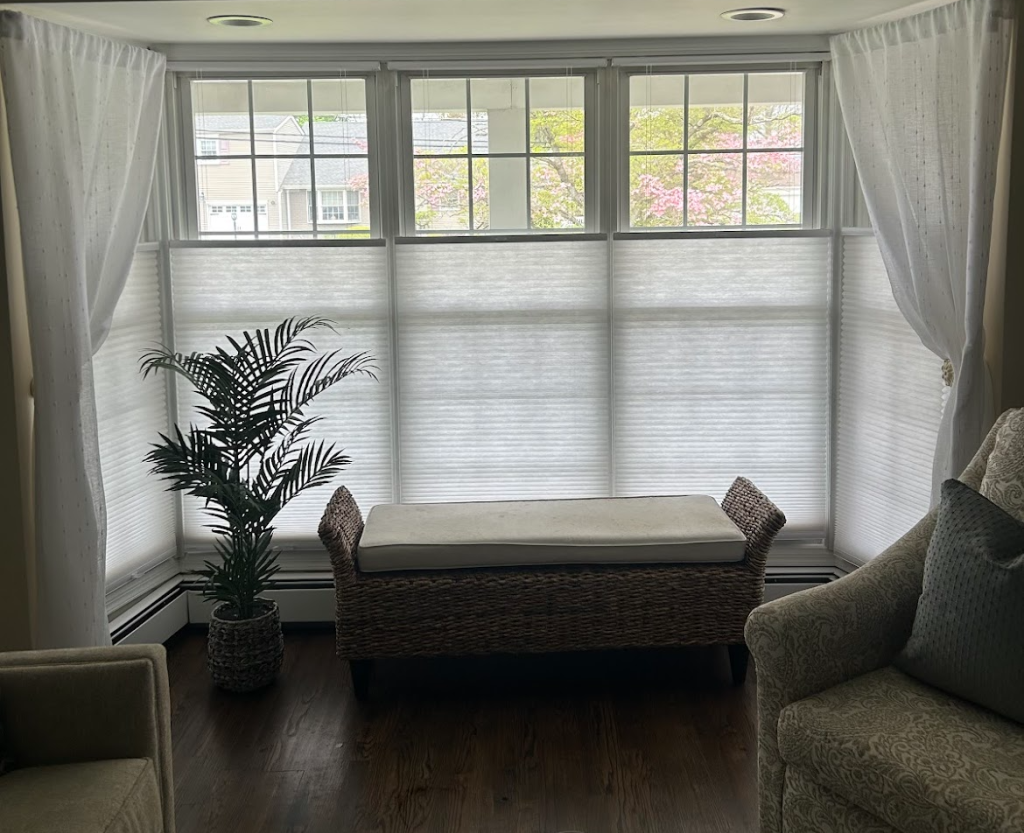
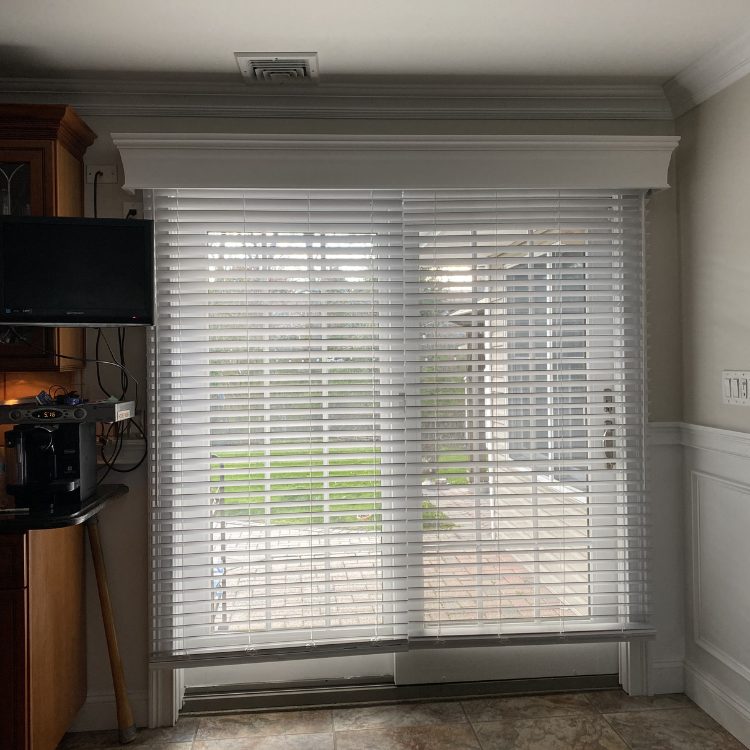
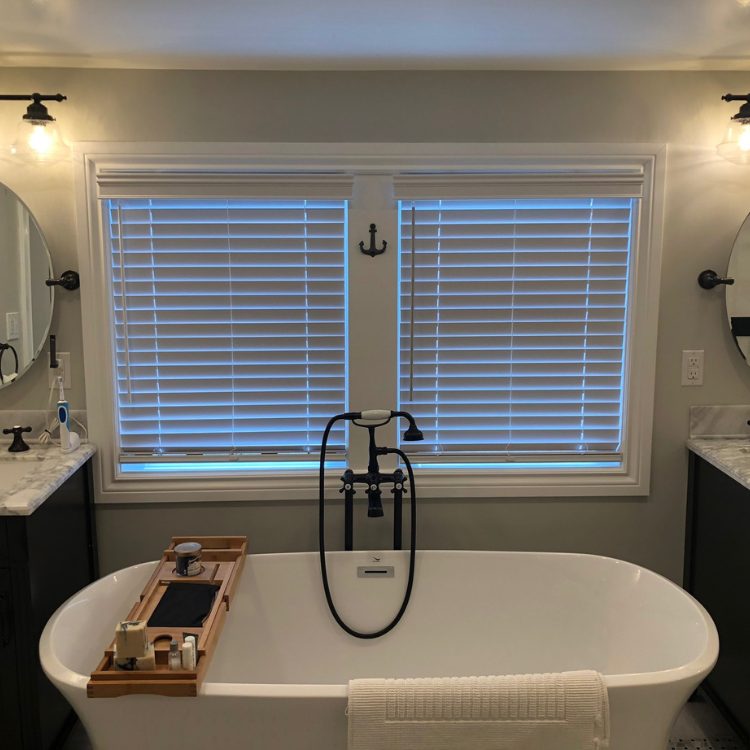
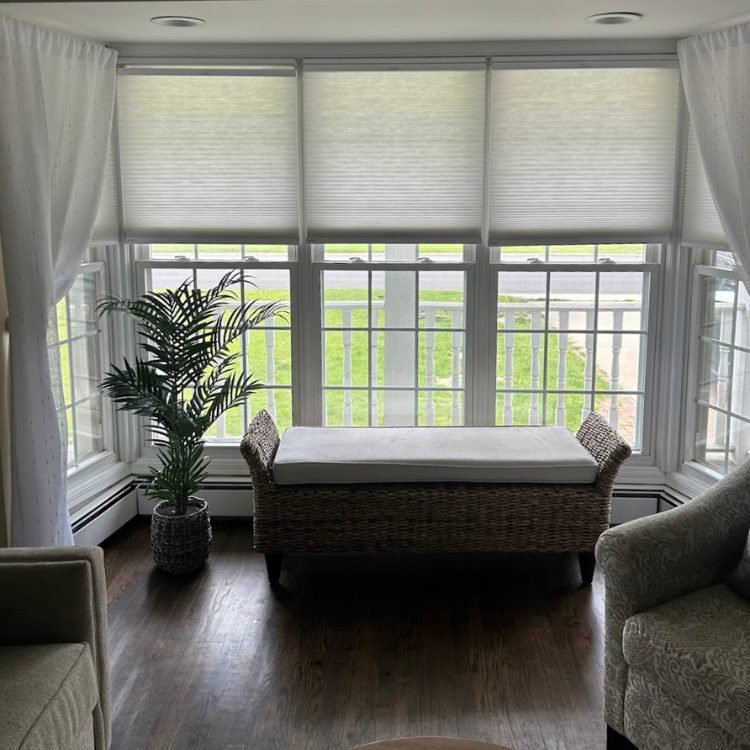
From cozy entryways to bright kitchens, get inspired by these curated looks and make every room feel like home.

Brighten your cooking space with blinds and shades that bring warmth, style, and light control to every meal.

Create a cozy retreat with blackout or light-filtering shades that help you rest and recharge in comfort.

Frame your view beautifully with drapes and blinds that balance natural light and privacy for everyday living.

Enjoy moisture-resistant window treatments that add privacy and durability without sacrificing design.

Keep playtime safe and stylish with cordless shades designed for light control, safety, and fun patterns.

We make finding the perfect window treatments easy with our shop-at-home service. Simply schedule a free consultation, and we’ll bring a wide selection of shades, blinds and shutters samples directly to your home. This allows you to see samples in your space, ensuring they fit perfectly with your décor and lighting.

Our experts will provide personalized recommendations, take precise measurements, and offer transparent, affordable pricing—without the hassle of visiting a showroom.

We offer installation, so you can enjoy a seamless, custom-fit solution, all while saving time and money. Experience the convenience of choosing quality window treatments from the comfort of your home.


Finding the right window blinds near you doesn’t have to be a challenge. At Long Island Custom Blinds, we make the process simple by offering in-home consultations, expert recommendations, and precise measurements to ensure a perfect fit.
Our team serves all of Great Neck and the surrounding areas, bringing samples directly to your door so you can see how different styles will look in your space.
From modern designs that maximize natural light to blackout options for bedrooms, we have something for every need and budget. Plus, with our professional installation services, you can rest assured that your window shades, blinds, or shutters will be securely mounted and built to last.
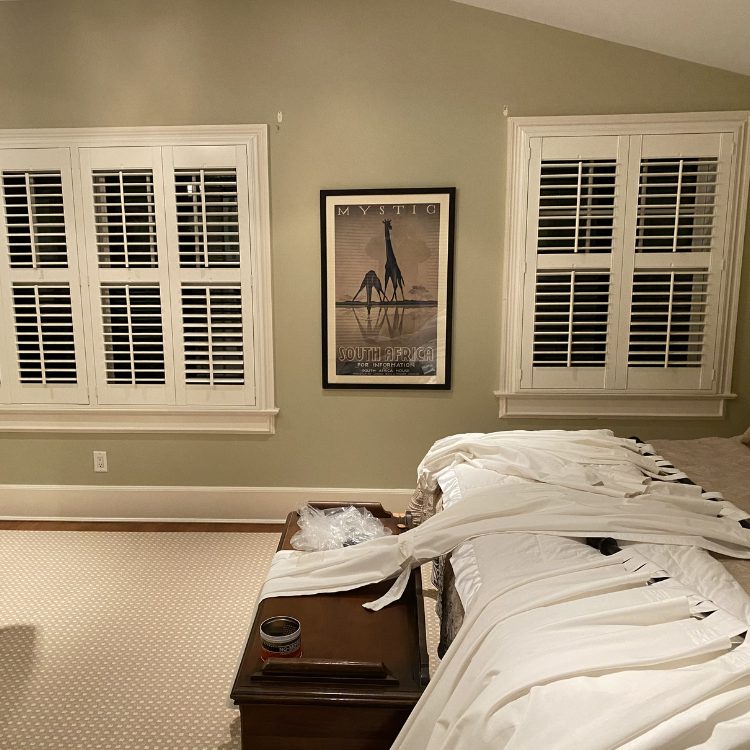
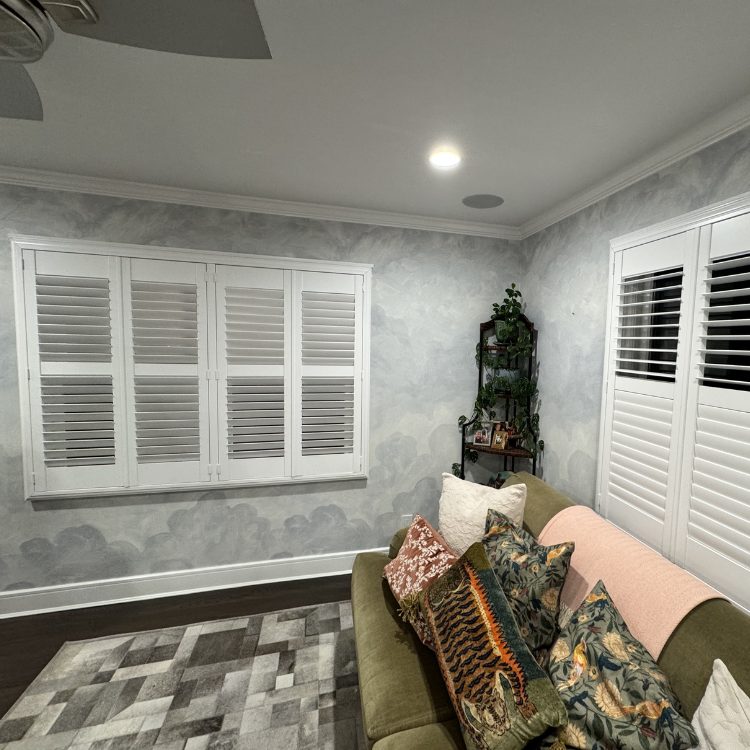
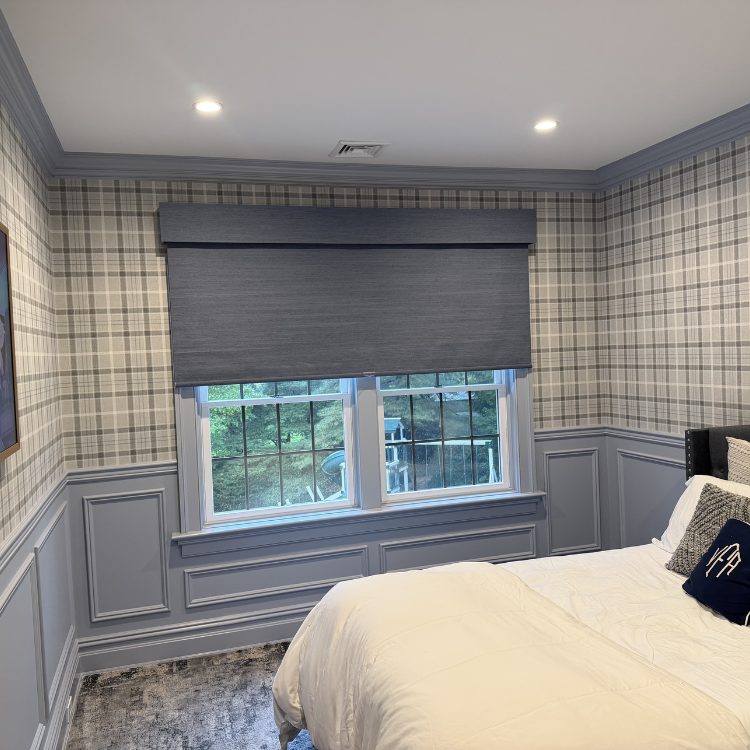
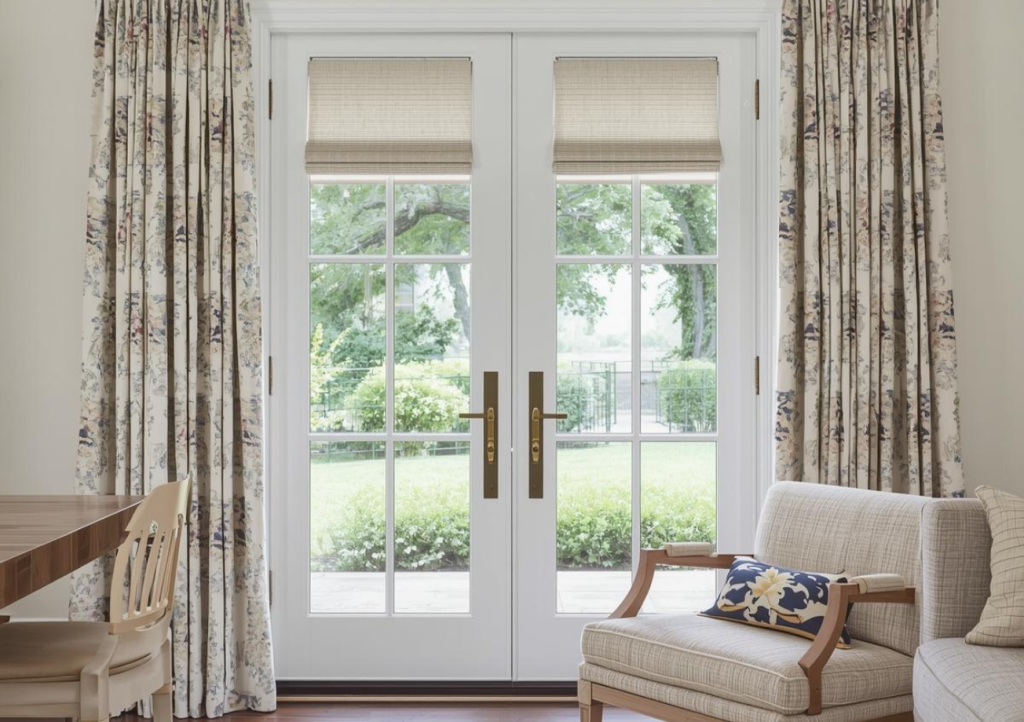



Perched on a peninsula jutting into Long Island Sound approximately 20 miles east of Manhattan, Great Neck occupies a distinctive position in the American suburban imagination—a community whose very name evokes wealth, educational achievement, and the particular character of New York’s suburban Jewish community. Yet “Great Neck” itself presents an immediate complexity: the name refers not to a single municipality but to a collection of nine incorporated villages, several unincorporated areas, and multiple overlapping jurisdictions sharing the Great Neck peninsula. This fragmented governance structure, combined with the community’s literary immortalization as the inspiration for F. Scott Fitzgerald’s West Egg in “The Great Gatsby,” creates a place where reality and perception, history and mythology, intertwine in ways that both illuminate and obscure the actual community beneath the famous name.
The peninsula’s history stretches back centuries before European settlement, when the Matinecock people inhabited the area. Dutch and English colonists arrived in the 17th century, establishing agricultural settlements that would gradually evolve into the suburban community recognizable today. The late 19th and early 20th centuries brought transformation as wealthy New Yorkers established estates along Long Island’s North Shore—the “Gold Coast” that Fitzgerald chronicled. The post-World War II era brought different change: subdivision of estates, suburban development, and demographic shifts that would fundamentally reshape the community’s character. Today’s Great Neck bears only passing resemblance to the WASP aristocratic enclave of Fitzgerald’s era, having evolved into something quite different and, in many ways, more interesting.
Great Neck’s demographic profile defies simple characterization, revealing a community that combines substantial wealth with ethnic diversity rarely found in comparably affluent American suburbs. The overall population of the Great Neck peninsula—encompassing all villages and unincorporated areas—approaches 40,000-45,000 residents, though precise figures depend on how boundaries are drawn and which jurisdictions are included.
The fragmented municipal structure complicates demographic analysis. The Village of Great Neck (the incorporated village bearing that specific name) contains approximately 10,000 residents, but this represents only a fraction of the peninsula’s population. Other incorporated villages—including Great Neck Estates, Great Neck Plaza, Kensington, Kings Point, Lake Success, Saddle Rock, Russell Gardens, and Thomaston—each maintain separate governance, budgets, and to some degree distinct characters, though they share school districts and many services. Unincorporated areas under Town of North Hempstead jurisdiction add additional population. This fragmentation means “Great Neck” statistics vary significantly depending on the specific geography analyzed.
Racial and ethnic composition reveals Great Neck’s most distinctive demographic characteristic: substantial diversity within an affluent context. White residents comprise approximately 60-70% of the population across most Great Neck communities, significantly lower than typical affluent American suburbs. Asian residents—predominantly of Iranian, Chinese, Korean, and Indian descent—represent approximately 20-25% of the population, an exceptionally high percentage for a community of this wealth level. Hispanic or Latino residents account for roughly 5-8%, and Black residents approximately 2-4%.
The Jewish community historically defined Great Neck’s character and remains substantial, though precise estimates are difficult. Various estimates suggest 30-40% of Great Neck residents identify as Jewish, making it one of the most heavily Jewish communities in the United States. This concentration developed primarily in the post-World War II era as Jewish families, often excluded from other affluent suburbs through restrictive covenants and discrimination, found Great Neck welcoming. The community’s Jewish institutions—synagogues representing Orthodox, Conservative, Reform, and other traditions, Jewish community centers, and cultural organizations—remain central to local life.
The Iranian and Persian community represents Great Neck’s most significant demographic shift of recent decades. Beginning in the late 1970s following the Iranian Revolution, substantial numbers of Iranian Jews, along with some Iranian Muslims and Baha’is, settled in Great Neck, drawn by existing Jewish community infrastructure and economic opportunities. This population has grown significantly, with estimates suggesting Persian-heritage residents now comprise 15-20% of Great Neck’s population—one of the largest concentrations of Iranians in the United States outside Los Angeles. Persian businesses, restaurants, cultural organizations, and religious institutions have become integral to Great Neck’s character, creating a distinctive Iranian-Jewish suburban culture found in few other American communities.
Household income and wealth levels place Great Neck among America’s most affluent communities. Median household incomes across Great Neck villages typically range from $120,000 to $180,000, with some villages (particularly Kings Point) exceeding $200,000. These figures substantially exceed both Nassau County medians (approximately $120,000) and national medians (approximately $75,000). However, these medians obscure substantial wealth concentration—Great Neck contains numerous households with incomes well into seven figures alongside more modest middle-class households, particularly in apartment buildings and smaller homes.
Home values reflect this affluence. Median home values across Great Neck villages typically range from $800,000 to over $2,000,000, with Kings Point and waterfront properties commanding the highest prices. Even modest single-family homes rarely sell below $700,000-$800,000, while larger properties frequently exceed $3,000,000-$5,000,000. Apartment rentals and cooperative units provide somewhat more affordable options, though even these command premiums compared to most American communities.
Age distribution shows a mature suburban profile with substantial representation across age cohorts. The median age hovers around 42-45 years—slightly older than national medians—with significant populations of both school-age children (driving the emphasis on education) and older adults who have aged in place. The presence of multiple generations creates intergenerational households more common in Great Neck than in many American suburbs, reflecting cultural patterns among Jewish and Iranian families that emphasize family proximity.
Education represents Great Neck’s most celebrated characteristic and the primary driver of residential demand. The Great Neck Public Schools district serves most peninsula residents (Kings Point students attend the separate Great Neck Union Free School District), operating under a reputation for academic excellence that ranks among the highest in New York State and nationally. This reputation—deserved in many respects, though requiring nuanced analysis—shapes property values, attracts families, and defines community identity.
The district operates multiple elementary schools, middle schools, and two comprehensive high schools: Great Neck North High School and Great Neck South High School. Total enrollment exceeds 6,500 students across all schools, with substantial diversity reflecting community demographics—approximately 40-45% white, 35-40% Asian, 10-15% Hispanic, and smaller percentages of other groups.
Academic performance metrics consistently place Great Neck among New York’s highest-performing districts. SAT and ACT scores substantially exceed state and national averages, with mean SAT scores typically ranging from 1300-1400 (out of 1600)—well above the national average of approximately 1050. Graduation rates approach 98%, with the vast majority of graduates pursuing four-year college education. College placement outcomes include substantial numbers of students matriculating at highly selective universities—Ivy League institutions, MIT, Stanford, top liberal arts colleges—though the district appropriately emphasizes that students pursue diverse post-secondary pathways.
Advanced Placement participation runs exceptionally high, with the district offering extensive AP coursework and students frequently taking multiple AP examinations. Pass rates on AP exams exceed national averages substantially. The district also offers International Baccalaureate programming, honors tracks across subjects, and enrichment opportunities that challenge high-achieving students.
Arguments supporting Great Neck’s educational reputation: The district invests heavily in education, with per-pupil expenditures exceeding $30,000 annually—among the highest in the nation and roughly double the national average. This funding supports small class sizes, extensive course offerings, strong teacher compensation that attracts capable educators, modern facilities, and comprehensive support services. Parental involvement and support for education creates home environments that reinforce academic achievement. The competitive academic culture, while potentially stressful, produces measurable outcomes in test scores, college placements, and student achievement.
Arguments for skepticism about exceptional performance: Much of Great Neck’s academic success reflects student demographics rather than exceptional educational practice. Affluent, educated families—many with cultural traditions heavily emphasizing academic achievement—would produce high-achieving students in virtually any school system. The district’s outcomes, while impressive in absolute terms, may be less remarkable when controlled for socioeconomic factors. Achievement gaps between different student groups exist, suggesting the district succeeds better with some populations than others. The intense academic pressure produces documented mental health concerns among students, with anxiety, stress, and depression representing significant issues. The emphasis on college admissions metrics may not serve all students equally well or prepare them optimally for life success beyond standardized measurements.
The balanced assessment: Great Neck schools genuinely perform at high levels, driven by a combination of substantial resources, capable staff, involved parents, and favorable student demographics. Families moving to Great Neck for schools make a reasonable decision based on measurable outcomes. However, the schools’ success substantially reflects socioeconomic and cultural advantages that would produce strong outcomes in many settings. The academic pressure culture, while producing impressive metrics, raises legitimate concerns about student wellbeing that the community increasingly recognizes. For prospective residents seeking strong public schools with extensive academic opportunities, Great Neck represents an excellent choice—though at housing costs that make the decision significant and with awareness that the intense academic environment isn’t ideal for all students.
Private and religious education alternatives exist within and near Great Neck. Several Jewish day schools serve families seeking religious education combined with secular academics. Various private schools in the broader North Shore region provide alternatives for families preferring different educational approaches or seeking admission advantages through less competitive academic environments.
For higher education, Great Neck’s proximity to New York City provides access to numerous institutions. Many students commute to CUNY and SUNY campuses, private universities throughout the metropolitan area, or pursue education at residential colleges throughout the country. The community’s emphasis on educational achievement means college attendance is essentially universal, with the question being which institution rather than whether to attend.
Tourism in Great Neck operates in an unusual register—the community’s literary fame attracts interest, but Great Neck functions primarily as a residential suburb rather than a tourist destination. Visitors seeking “Gatsby’s West Egg” find a modern suburban community that bears little resemblance to the 1920s Gold Coast, while the peninsula’s actual attractions remain relatively unknown to outsiders.
The Fitzgerald connection represents Great Neck’s most famous cultural association, though one requiring careful examination. F. Scott Fitzgerald lived in Great Neck from 1922-1924, during which time he wrote much of “The Great Gatsby.” The community served as inspiration for West Egg, the nouveau riche counterpart to old-money East Egg (based on the Manhasset peninsula across Manhasset Bay). Gatsby’s mansion, the green light across the water, the Valley of Ashes—all drew from Fitzgerald’s Great Neck observations.
However, the connection to contemporary Great Neck is almost entirely historical. The estates Fitzgerald observed have largely been subdivided. The WASP aristocratic culture he chronicled gave way to the Jewish and later Iranian community that defines modern Great Neck. No Gatsby mansion survives for tourists to visit; no museum commemorates Fitzgerald’s residence. The literary connection provides cultural cachet and name recognition but offers little tangible tourism experience. Visitors expecting Gatsby-era grandeur find instead a prosperous but thoroughly modern suburb.
Actual attractions and amenities serve primarily residents rather than tourists. The Great Neck peninsula features several parks and waterfront access points, though these pale compared to nearby options. Steppingstone Park in Kings Point provides beach access, athletic facilities, and event space for residents. Various smaller parks throughout the villages offer neighborhood recreation. The peninsula’s waterfront location provides scenic views, though much waterfront remains in private hands.
Downtown Great Neck (centered around Great Neck Plaza and the Village of Great Neck) offers a walkable commercial district with restaurants, shops, and services. The area features notable concentration of Persian restaurants and businesses reflecting community demographics—establishments like Colbeh, Ravagh, and numerous Persian groceries provide authentic Iranian cuisine rarely found in American suburbs. Korean, Chinese, Japanese, Italian, and other cuisines round out dining options, creating culinary diversity exceeding typical suburban communities. However, this remains primarily a local shopping district rather than a regional dining destination.
The Great Neck Arts Center and various community organizations provide cultural programming, though major arts and entertainment attractions are accessed in Manhattan, easily reached via Long Island Rail Road from the Great Neck station. The approximately 35-40 minute train ride to Penn Station makes New York City’s cultural resources readily accessible, reducing demand for local cultural institutions.
Arguments for tourism development: The Fitzgerald connection provides brand recognition that could be leveraged for literary tourism. The unique Persian-Jewish suburban culture represents authentic cultural tourism potential increasingly valued by travelers. Waterfront location and proximity to Manhattan could support tourism development targeting visitors seeking suburban experiences or North Shore exploration. Historic Gold Coast estates in neighboring communities (Old Westbury Gardens, for example) demonstrate tourism potential for the broader region.
Arguments against tourism focus: Great Neck residents generally value privacy and residential character over tourism development. Limited parking, residential zoning, and community preferences create practical and political obstacles to tourism expansion. The literary connection lacks tangible attractions to anchor tourism development. Competition from Manhattan and other Long Island destinations makes significant market capture unlikely. The community’s economy functions successfully without tourism dependence.
The realistic assessment: Great Neck will likely remain primarily a residential community with tourism as an incidental rather than economic driver. The Fitzgerald connection provides cultural cachet without producing actual visitation. The Persian-Jewish cultural distinctiveness could support modest cultural tourism—food tourism, specifically—but wholesale tourism development seems neither practical nor desirable. Visitors interested in Great Neck should expect an interesting, prosperous, ethnically diverse suburb with good restaurants rather than preserved Gatsby-era grandeur.
