If You’re Buying Blinds in Syosset or Great Neck, Avoid This Common Mistake
The mistake isn’t picking the wrong color. It isn’t even picking the wrong style. The most common — and most expensive — mistake homeowners in Syosset and Great Neck make

Discover high-quality, affordable window treatments with your local, shop-at-home service.
Discover high-quality, affordable window treatments with your local, shop-at-home service.






Peace of mind with every install
Proudly serving Long Island
for over 10 years
We don’t leave until it’s perfect
5-Star Reviews on Google
| Feature | Long Island Custom Blinds | Big Box Stores |
|---|---|---|
| Free In-Home Consultation | Yes — we bring the showroom to you | No — visit the store and DIY |
| Custom Measurements | Every window is precisely measured | Often relies on standard sizes |
| Design Guidance | Expert help choosing colors, styles, and materials | You're on your own |
| Product Quality | Premium materials built to last | Often mass-produced, lower quality |
| Professional Installation | Offered with every order | May require 3rd party or self-install |
| Local Support & Service | Speak directly with your installer/designer | 1-800 number or store associate |
| Speed & Flexibility | Quick turnaround & flexible scheduling | Delays and rigid systems |
| Lifetime Client Relationship | We're your go-to for future projects & upgrades | One-and-done sale |
| Reputation in the Community | 5-Star reviews from Long Island homeowners | Mixed reviews, impersonal service |
| Pricing Transparency | Clear estimates — no surprise fees | Hidden fees for delivery or install |
| Value for Money | High quality at competitive prices | Lower upfront, higher long-term cost |
| Feature | Long Island Custom Blinds | Big Box Stores |
|---|---|---|
| Free In-Home Consultation | ✓ | × |
| Custom Measurements | ✓ | × |
| Design Guidance | ✓ | × |
| Product Quality | ✓ | × |
| Professional Installation | ✓ | × |
| Local Support & Service | ✓ | × |
| Speed & Flexibility | ✓ | × |
| Lifetime Client Relationship | ✓ | × |
| Reputation in the Community | ✓ | × |
| Pricing Transparency | ✓ | × |
| Value for Money | ✓ | × |
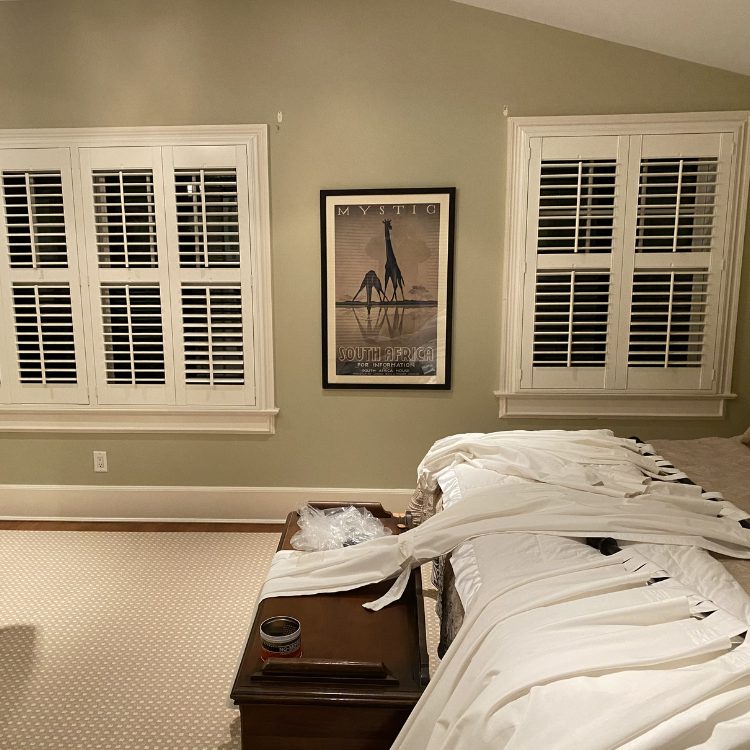
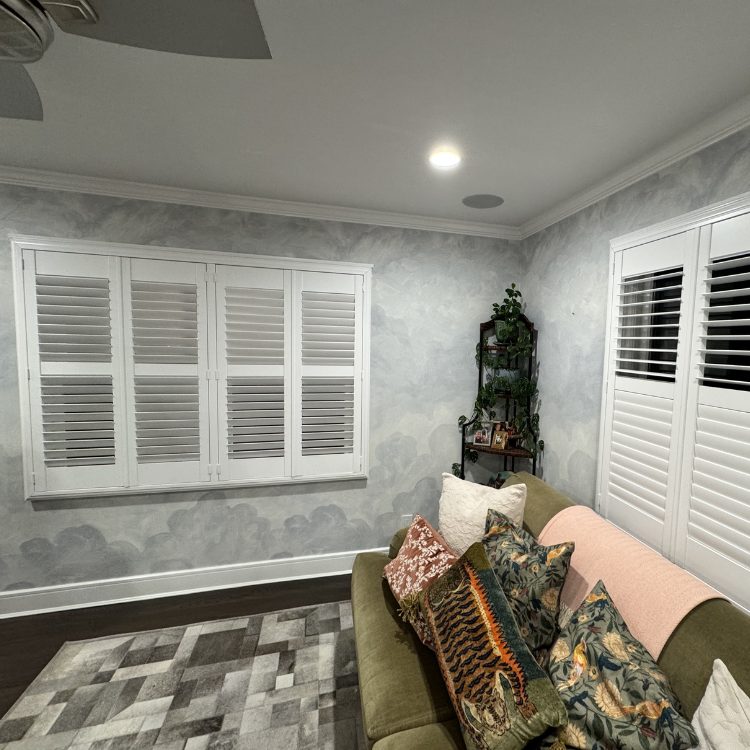
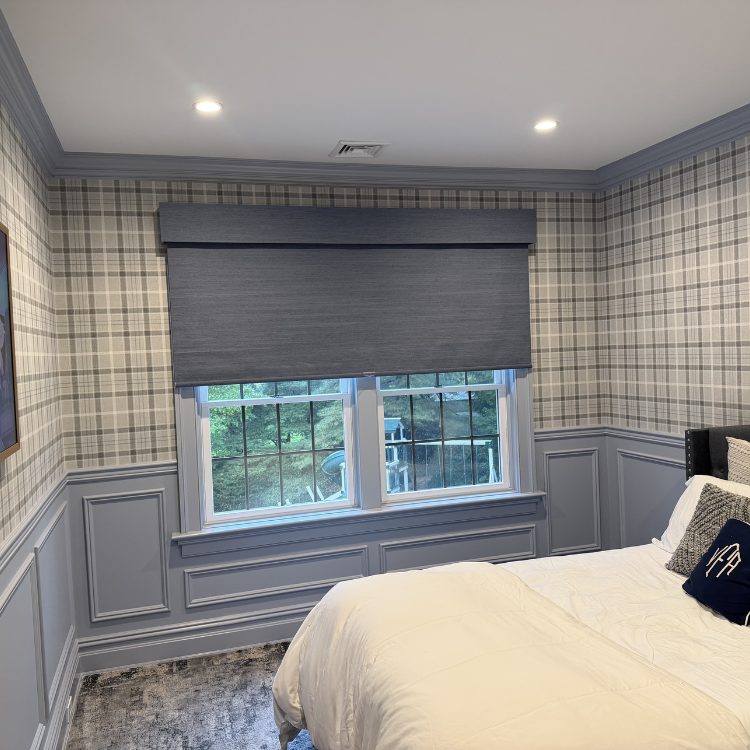
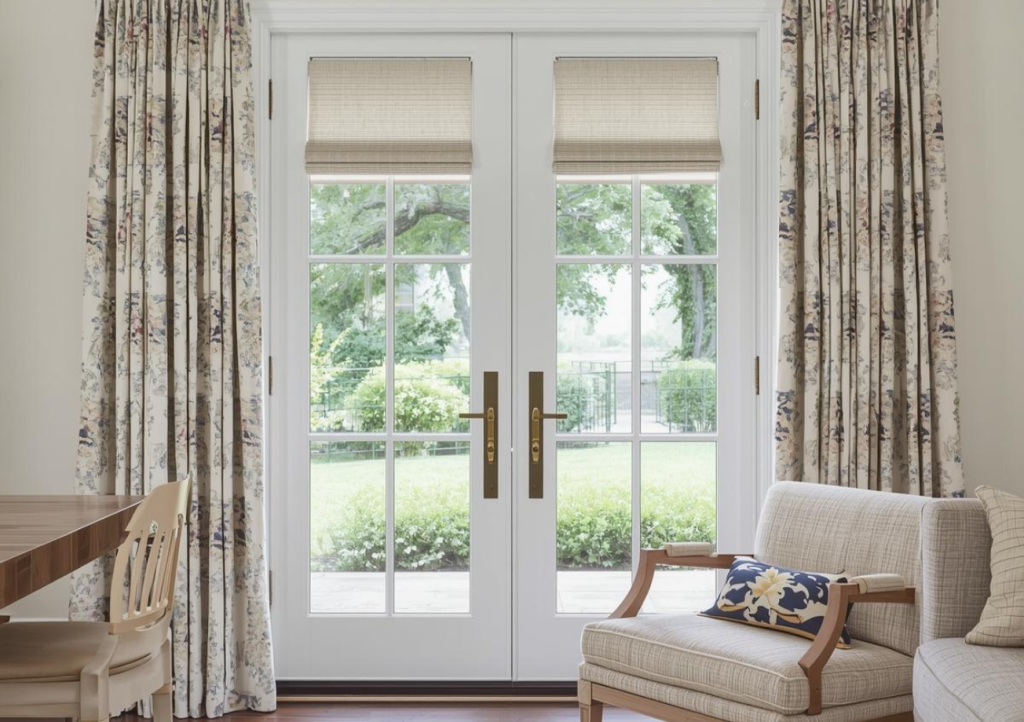
From cozy entryways to bright kitchens, get inspired by these curated looks and make every room feel like home.

Brighten your cooking space with blinds and shades that bring warmth, style, and light control to every meal.

Create a cozy retreat with blackout or light-filtering shades that help you rest and recharge in comfort.

Frame your view beautifully with drapes and blinds that balance natural light and privacy for everyday living.

Enjoy moisture-resistant window treatments that add privacy and durability without sacrificing design.

Keep playtime safe and stylish with cordless shades designed for light control, safety, and fun patterns.

We make finding the perfect window treatments easy with our shop-at-home service. Simply schedule a free consultation, and we’ll bring a wide selection of shades, blinds and shutters samples directly to your home. This allows you to see samples in your space, ensuring they fit perfectly with your décor and lighting.

Our experts will provide personalized recommendations, take precise measurements, and offer transparent, affordable pricing—without the hassle of visiting a showroom.

We offer installation, so you can enjoy a seamless, custom-fit solution, all while saving time and money. Experience the convenience of choosing quality window treatments from the comfort of your home.


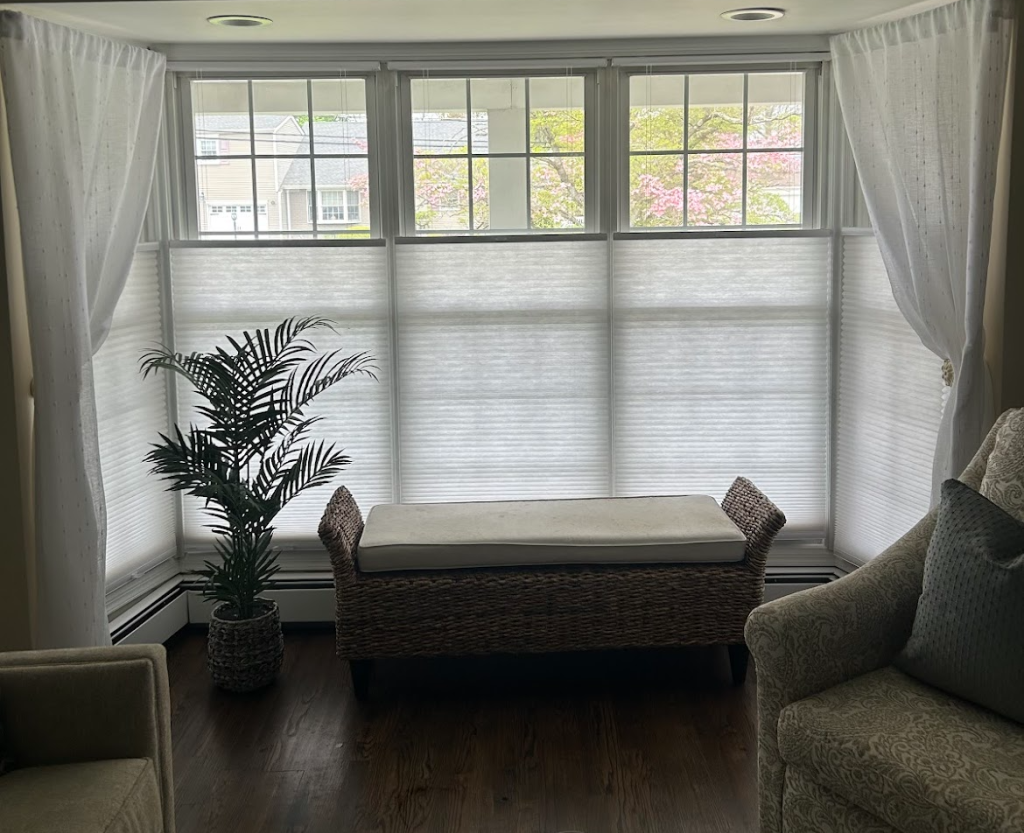
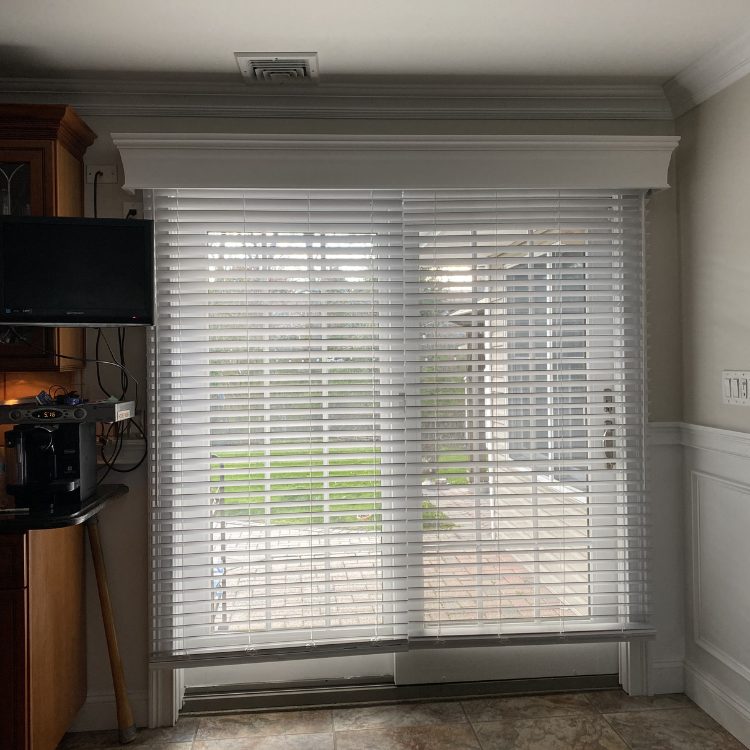
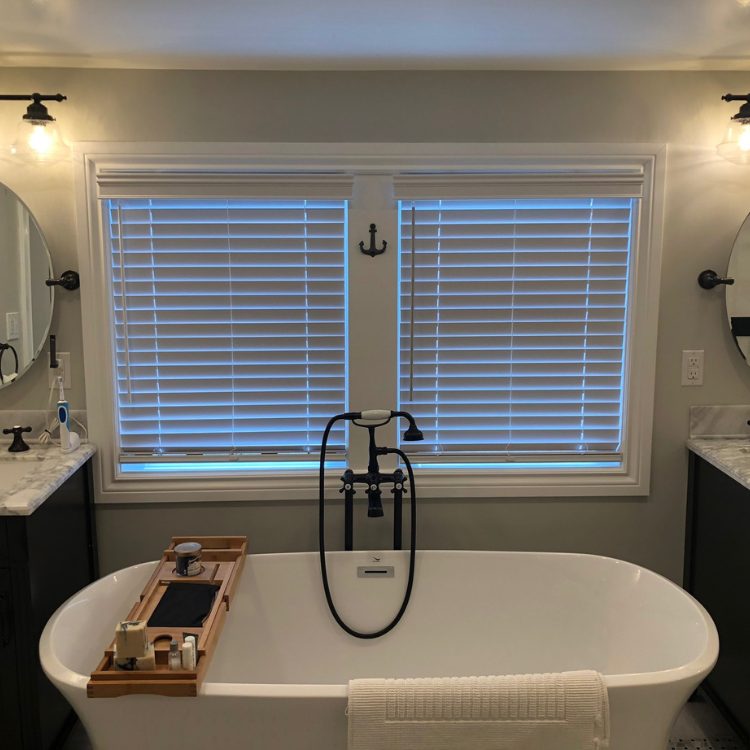
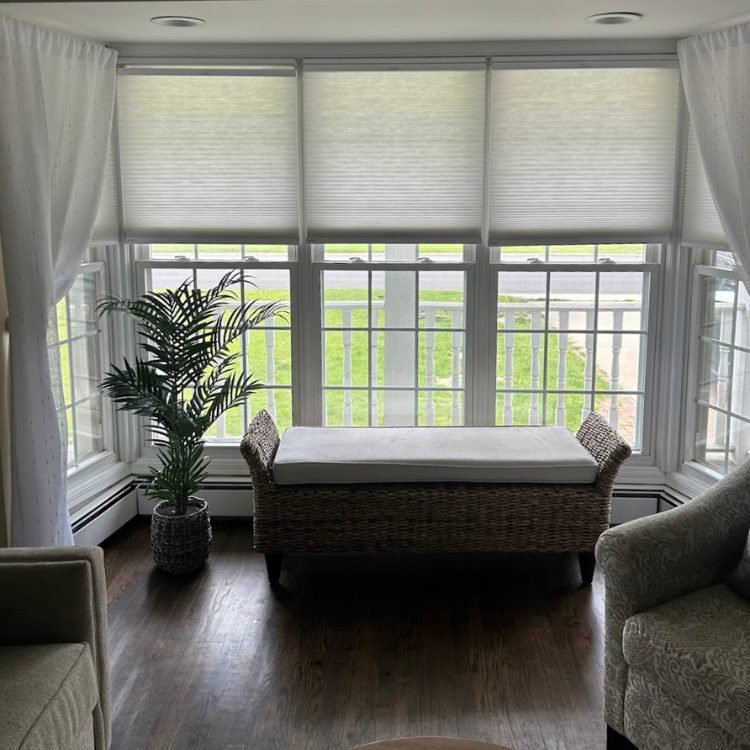
Finding the right window blinds near you doesn’t have to be a challenge. At Long Island Custom Blinds, we make the process simple by offering in-home consultations, expert recommendations, and precise measurements to ensure a perfect fit.
Our team serves all of Glen Cove and the surrounding areas, bringing samples directly to your door so you can see how different styles will look in your space.
From modern designs that maximize natural light to blackout options for bedrooms, we have something for every need and budget. Plus, with our professional installation services, you can rest assured that your window shades, blinds, or shutters will be securely mounted and built to last.



Occupying approximately 6.7 square miles along the northern shore of Long Island where Hempstead Harbor meets Long Island Sound, Glen Cove represents something genuinely anomalous among North Shore communities—an actual city with urban density, industrial heritage, economic diversity, and working-class populations existing amid the exclusive estate villages and affluent suburbs that define the Gold Coast region. With a population of approximately 27,000-28,000 residents, Glen Cove functions as the only city in Nassau County, possessing independent governance, its own school district, diverse housing stock, and commercial activity serving not only residents but the broader North Shore region. Unlike neighboring communities defined by wealth and exclusivity—Brookville’s invisible estates, Old Westbury’s polo fields, Lattingtown’s secluded properties—Glen Cove contains the workers, services, and urban fabric that enable the Gold Coast to function while remaining largely invisible to those who write about North Shore prestige.
The name “Glen Cove” derives from the topography—a cove or harbor surrounded by glens and valleys where streams drain toward the water. The Matinecock people originally inhabited the area before European colonization brought English settlers in the 17th century. Unlike communities that remained agricultural until Gold Coast development, Glen Cove developed early industrial activity—shipbuilding, fishing, and manufacturing—that created working-class populations and urban patterns distinguishing it from surrounding estates. By the mid-19th century, Glen Cove had become a center for starch manufacturing, with factories employing hundreds of workers and creating the dense housing, commercial districts, and urban infrastructure visible today.
The Gold Coast era (roughly 1890-1930) brought wealthy families to Glen Cove’s periphery, with estates established in what are now separate villages (Lattingtown, Matinecock, Mill Neck) that incorporated specifically to separate from Glen Cove’s urban development. This pattern—wealthy families surrounding themselves with incorporated estate villages while leaving the working city outside their boundaries—created the geographic patchwork defining the area today. Glen Cove incorporated as a city in 1918, consolidating governance over the urban core while estate villages maintained separate identities and governance structures.
The post-World War II era brought decline to Glen Cove’s industrial base as manufacturing moved elsewhere, followed by periods of urban renewal, redevelopment attempts, demographic change, and ongoing struggles to revitalize a city whose economic foundations had eroded. Today’s Glen Cove exists in creative tension: waterfront redevelopment transforming former industrial sites, immigrant populations revitalizing working-class neighborhoods, wealthy enclaves in the city’s northern reaches, and persistent challenges of urban poverty and economic inequality unusual on the affluent North Shore.
Glen Cove’s demographic profile reveals the North Shore’s most diverse community—a place where working-class immigrants, middle-class families, and affluent professionals coexist in patterns reflecting urban complexity rather than suburban homogeneity. This diversity distinguishes Glen Cove from virtually every surrounding community and creates both challenges and opportunities unavailable in more economically uniform places.
The population of approximately 27,000-28,000 residents has remained relatively stable over recent decades, with modest fluctuations reflecting economic conditions, housing availability, and immigration patterns. This stability masks significant internal demographic change—shifting ethnic composition, changing economic circumstances, and neighborhood-level transformation occurring within overall population stability.
Racial and ethnic composition shows diversity dramatically exceeding surrounding North Shore communities:
White residents comprise approximately 55-60% of the population—dramatically lower than Brookville’s 70-78%, Old Westbury’s 75-80%, or Sands Point’s 90%+. This lower white percentage reflects both established diversity and recent immigration patterns.
Hispanic or Latino residents represent approximately 25-30% of the population—among the highest concentrations in Nassau County and dramatically higher than the 3-8% typical of surrounding estate communities. This substantial Hispanic population reflects immigration patterns bringing Central American, South American, and Caribbean populations to Glen Cove seeking affordable housing and employment opportunities.
Asian residents account for approximately 5-8% of the population, lower than the concentrations in educationally-focused communities like East Hills or Great Neck but meaningful presence nonetheless.
Black or African American residents comprise approximately 8-12% of the population—substantially higher than the 1-3% typical of North Shore communities and reflecting both established African American families and Caribbean immigration.
Arguments explaining Glen Cove’s diversity:
Industrial and working-class heritage: Glen Cove’s manufacturing history created working-class populations, affordable housing stock, and urban patterns attracting diverse residents throughout the 20th century. Unlike communities developed exclusively for wealthy families, Glen Cove’s industrial economy required workers who couldn’t afford estate living, creating diverse populations from the community’s origins.
Housing stock variety: Glen Cove contains housing diversity unmatched on the North Shore: Victorian homes, modest bungalows, apartment buildings, multi-family structures, public housing, and (in northern areas) substantial estates. This variety creates entry points at multiple price levels, enabling economic diversity impossible where only expensive single-family homes exist. Apartments and multi-family housing enable renters, immigrants, and moderate-income families to access the community.
Affordable housing (relatively): By North Shore standards, Glen Cove offers affordable housing options. While home prices have appreciated substantially, modest homes and apartments remain available at prices below surrounding communities. This relative affordability attracts families priced out of exclusive suburbs while seeking North Shore location and schools.
Service economy employment: The wealthy surrounding communities require workers—landscapers, housekeepers, construction workers, retail employees, healthcare aides—who cannot afford estate village housing. Glen Cove provides housing for this workforce, creating symbiotic relationship where Glen Cove residents service Gold Coast estates. This economic relationship creates demographic diversity serving regional labor needs.
Immigration networks: Established immigrant communities create networks attracting additional immigrants through family connections, community support, and cultural familiarity. Glen Cove’s Hispanic community has reached scale enabling churches, businesses, social organizations, and cultural institutions that attract and support newcomers, creating self-reinforcing immigration patterns.
Urban infrastructure: Glen Cove’s urban form—walkable downtown, public transit access, commercial districts, social services—serves populations poorly served by automobile-dependent suburbs. Immigrants, elderly residents, those without cars, and others needing urban amenities find Glen Cove more accessible than surrounding communities designed exclusively for affluent car owners.
Household income and wealth show substantial variation reflecting economic diversity:
Median household income estimates range from $75,000 to $90,000—well above national medians but dramatically below the $150,000-250,000+ medians in surrounding estate communities. This income level reflects Glen Cove’s middle-class and working-class character.
However, these medians obscure enormous internal variation. Glen Cove contains both affluent households in northern estate sections earning $300,000+ and working-class households in southern neighborhoods earning $40,000-60,000. This economic diversity distinguishes Glen Cove from the compressed income distributions in more homogeneous communities.
Home values similarly show extraordinary variation:
Modest homes and condominiums in Glen Cove’s denser southern sections sell for $350,000-550,000—affordable by North Shore standards. Mid-range single-family homes command $600,000-900,000. Larger homes in desirable neighborhoods reach $1-1.5 million. Estate properties in Glen Cove’s northern reaches can exceed $2-5 million, comparable to neighboring estate communities.
This price range—from under $400,000 to over $5 million within a single city—demonstrates the economic diversity defining Glen Cove’s character.
Age distribution shows a younger profile than surrounding communities, with median age around 38-42 years. The substantial immigrant population includes many working-age adults and families with children, creating younger demographics than aging estate communities.
Educational attainment shows more variation than surrounding communities:
Bachelor’s degree attainment approaches 35-40%—well above national averages but substantially below the 60-70%+ rates in affluent surrounding communities. Graduate and professional degrees are held by approximately 15-20% of adults.
These figures reflect the economic diversity—professionals and business owners alongside service workers and tradespeople—that defines Glen Cove’s population. The educational distribution matches the economic distribution: varied rather than uniformly high.
Housing characteristics reflect Glen Cove’s unusual position as actual city rather than suburb:
The housing stock includes everything from Victorian-era homes near downtown to mid-century suburban development to contemporary condominiums in waterfront redevelopment areas to estates in northern sections. Multi-family housing, apartments, and rental units exist in quantities unknown in surrounding communities. Housing density in southern Glen Cove approaches urban levels, with smaller lots, attached structures, and apartment buildings creating walkable neighborhoods.
Homeownership rates around 65-70%—lower than the 85-95% typical of surrounding communities—reflect the presence of rental housing and moderate-income households.
The city contains actual commercial districts with retail, restaurants, professional offices, and services—urban infrastructure that surrounding communities deliberately exclude. This commercial presence creates employment, convenience, and urban character distinguishing Glen Cove from purely residential suburbs.
Education in Glen Cove operates through the Glen Cove City School District—an independent district serving only Glen Cove, unlike surrounding communities that share districts across multiple municipalities. This independent status creates direct connection between city residents and schools, with school board elections, budget votes, and educational policies decided by Glen Cove voters alone.
Glen Cove City School District operates multiple elementary schools, Glen Cove Middle School, and Glen Cove High School, serving approximately 3,200-3,500 students. The district enrollment has fluctuated with demographic changes, declining in some periods as families left and growing in others as immigration brought new populations.
Student demographics reflect Glen Cove’s diversity in ways dramatically different from surrounding districts:
Hispanic students comprise approximately 45-50% of enrollment—among the highest percentages in Nassau County and dramatically different from the single-digit percentages in surrounding districts. White students represent approximately 30-35% of enrollment. Black students account for approximately 10-12%. Asian students comprise approximately 5-8%. Students eligible for free or reduced-price lunch (an indicator of economic need) approach 40-50%—dramatically higher than the single-digit percentages in affluent surrounding districts.
This demographic profile creates educational challenges and opportunities unavailable in homogeneous districts. English Language Learner programs serve substantial populations requiring specialized instruction. Socioeconomic diversity creates varied preparation levels requiring differentiated support. Cultural diversity provides exposure to varied perspectives but also creates potential communication challenges with families.
Academic performance metrics show outcomes that, while improved from earlier periods, don’t match the elite levels of surrounding districts:
SAT scores average approximately 1050-1100 (out of 1600)—near national averages but substantially below the 1250-1400 averages in surrounding districts. These scores reflect the socioeconomic diversity of the student population rather than necessarily indicating educational quality differences.
Graduation rates approach 85-88%—improved from lower historical rates but below the 95-98% rates in affluent surrounding districts. The graduation rates reflect challenges serving economically disadvantaged and English Language Learner populations.
Per-pupil expenditures approximate $25,000-28,000 annually—substantial by national standards but below the $30,000-40,000+ spending in surrounding affluent districts. The district operates with more constrained resources than neighbors with higher property values and lower student needs.
Arguments about Glen Cove schools’ quality:
Challenges perspective: The district serves a challenging population—economically diverse, linguistically diverse, with substantial proportions requiring additional support—with fewer resources than surrounding districts. Academic outcomes lag surrounding communities, potentially affecting property values and family decisions about where to live. Families prioritizing academic metrics often choose other communities with stronger outcomes.
Achievement perspective: The district has improved substantially over recent decades, with rising graduation rates and enhanced programming serving diverse populations. The outcomes, while not matching elite suburbs, reflect genuine education serving students who might struggle more in less supportive environments. The district provides opportunities for students from challenging circumstances to achieve academic and professional success.
Contextual perspective: Comparing Glen Cove to surrounding districts requires acknowledging different student populations. A district serving 45% Hispanic students (many from immigrant families), 40-50% economically disadvantaged students, and substantial English Language Learner populations cannot be fairly compared to districts serving 90%+ white and Asian students from affluent families. Glen Cove’s outcomes likely reflect strong educational practice given the population served, even if absolute metrics lag homogeneous affluent districts.
The balanced assessment:
Glen Cove schools serve diverse populations with genuine dedication, producing outcomes that have improved substantially and serve students well given the challenges involved. Families considering Glen Cove should evaluate schools with understanding of the population served rather than simple metric comparisons to demographically different districts. For families seeking diverse educational environments, exposure to varied backgrounds, and schools committed to serving all students, Glen Cove offers authentic experiences unavailable in homogeneous districts. For families prioritizing maximum academic metrics and competitive college placement, surrounding districts may better serve those goals.
Private school usage varies across Glen Cove’s diverse population. Affluent families in northern sections may choose private schools for educational preferences or social positioning. Catholic schools have historically served substantial portions of the population. However, many Glen Cove families rely on public schools out of preference, financial necessity, or satisfaction with educational quality.
Tourism in Glen Cove operates at modest but meaningful levels, distinguishing the city from both major tourism destinations and the completely private estate communities surrounding it. The combination of waterfront location, ongoing redevelopment, historic downtown, and urban amenities creates visitor interest while persistent challenges limit tourism’s economic impact.
Waterfront redevelopment represents Glen Cove’s most significant transformation and primary tourism asset. The former industrial waterfront—once home to factories, shipyards, and industrial uses—has undergone extensive redevelopment over recent decades. The Garvies Point development, a major mixed-use project, has created new residential buildings, commercial space, parks, and public waterfront access where industrial facilities once stood.
Garvies Point Museum and Preserve provides Glen Cove’s most established tourism attraction—a 62-acre nature preserve and archaeology museum operated by Nassau County. The preserve protects significant geological features (glacial erratics, coastal bluffs, diverse rock formations) and archaeological sites documenting Native American inhabitation. The museum interprets Long Island geology and Matinecock culture through exhibits, educational programming, and events. Nature trails through varied habitats provide hiking and nature study opportunities. The preserve attracts perhaps 50,000-75,000 visitors annually, serving primarily local and regional audiences seeking nature experiences and educational programming.
Arguments supporting Garvies Point’s significance:
The preserve provides accessible nature experience and educational resources serving populations throughout Nassau County. The archaeological interpretation connects visitors to Long Island’s Native American heritage often overlooked in Gold Coast narratives focused on wealthy white families. The geological resources provide unique educational opportunities. The preserve’s location within Glen Cove provides nature access for city residents lacking private estates or beach club memberships. The site operates as genuine public resource in a region dominated by private property.
Arguments acknowledging limitations:
The preserve remains modest in scale and programming compared to major nature centers or museums. Visitation, while meaningful, doesn’t generate substantial economic impact for the city. The site’s interpretation, while valuable, hasn’t expanded significantly to address contemporary issues around Native American history, colonization, and land rights. Resources constrain programming, staffing, and facility development.
Morgan Memorial Park and City Beach provide additional waterfront amenities. The city beach offers swimming, beach activities, and waterfront access during summer months, serving primarily city residents. Morgan Park provides waterfront green space, events venue, and passive recreation. These facilities provide genuine public waterfront access in a region where most shoreline remains privately held.
Historic downtown Glen Cove contains commercial districts with local businesses, restaurants, and services. The downtown maintains urban character with walkable streets, mixed-use buildings, and commercial activity distinguishing it from suburban shopping centers. However, the downtown has struggled economically, with vacancy, limited retail, and challenges maintaining vitality against competition from regional shopping centers and online retail.
Arguments for downtown’s potential:
The authentic urban character, walkable streets, and historic buildings provide foundation for revitalization that could attract visitors seeking experiences unavailable in suburban commercial environments. The diverse population creates potential for ethnic restaurants, specialty shops, and cultural offerings. Waterfront redevelopment may generate spillover benefiting downtown. Investment in streetscape, programming, and business development could enhance appeal.
Arguments acknowledging downtown’s challenges:
Persistent vacancy, limited parking, safety perceptions, and economic challenges have hindered revitalization despite decades of effort. Competition from regional shopping and online retail creates structural challenges for downtown retail. The city’s fiscal constraints limit public investment in downtown enhancement. The diverse but also economically stressed population may not generate sufficient purchasing power to support robust downtown commerce.
The realistic assessment:
Glen Cove offers genuine tourism assets—Garvies Point Preserve, waterfront access, urban character—that distinguish it from surrounding estate communities. However, tourism remains modest contributor to city economy, and persistent challenges limit growth potential. The city’s tourism identity centers on public resources (nature preserve, city beach, parks) rather than commercial tourism development.
Waterfront transformation represents Glen Cove’s greatest tourism opportunity and uncertainty. The Garvies Point development and related projects aim to create waterfront destination combining residential, commercial, and recreational uses. If successful, transformed waterfront could attract substantial visitation for dining, entertainment, waterfront recreation, and urban experiences. However, development has proceeded slowly, faced financial challenges, and remains incomplete after years of planning and construction. Whether the waterfront achieves destination status transforming Glen Cove’s tourism profile remains uncertain.
Comparison with neighboring communities:
The contrast with surrounding communities proves instructive. Glen Cove offers public waterfront access unavailable in private estate communities, urban amenities (restaurants, shops, services) that neighboring villages deliberately exclude, and diverse populations creating cultural experiences impossible in homogeneous communities. These differences create potential tourism appeal for visitors seeking alternatives to exclusive, homogeneous North Shore communities.
However, Glen Cove also lacks the historic preservation (Sea Cliff’s Victorian architecture), estate heritage (Old Westbury Gardens), natural drama (Sea Cliff’s bluffs), or prestige addressing (Sands Point, Manhasset) that attract different tourism markets. Glen Cove’s appeal lies in being real, working city rather than preserved heritage site or exclusive enclave—an appeal that attracts some visitors while limiting appeal to others.
