If You’re Buying Blinds in Syosset or Great Neck, Avoid This Common Mistake
The mistake isn’t picking the wrong color. It isn’t even picking the wrong style. The most common — and most expensive — mistake homeowners in Syosset and Great Neck make
Discover high-quality, affordable window treatments with your local, shop-at-home service.
Discover high-quality, affordable window treatments with your local, shop-at-home service.






Peace of mind with every install
Proudly serving Long Island
for over 10 years
We don’t leave until it’s perfect
5-Star Reviews on Google
| Feature | Long Island Custom Blinds | Big Box Stores |
|---|---|---|
| Free In-Home Consultation | Yes — we bring the showroom to you | No — visit the store and DIY |
| Custom Measurements | Every window is precisely measured | Often relies on standard sizes |
| Design Guidance | Expert help choosing colors, styles, and materials | You're on your own |
| Product Quality | Premium materials built to last | Often mass-produced, lower quality |
| Professional Installation | Offered with every order | May require 3rd party or self-install |
| Local Support & Service | Speak directly with your installer/designer | 1-800 number or store associate |
| Speed & Flexibility | Quick turnaround & flexible scheduling | Delays and rigid systems |
| Lifetime Client Relationship | We're your go-to for future projects & upgrades | One-and-done sale |
| Reputation in the Community | 5-Star reviews from Long Island homeowners | Mixed reviews, impersonal service |
| Pricing Transparency | Clear estimates — no surprise fees | Hidden fees for delivery or install |
| Value for Money | High quality at competitive prices | Lower upfront, higher long-term cost |
| Feature | Long Island Custom Blinds | Big Box Stores |
|---|---|---|
| Free In-Home Consultation | ✓ | × |
| Custom Measurements | ✓ | × |
| Design Guidance | ✓ | × |
| Product Quality | ✓ | × |
| Professional Installation | ✓ | × |
| Local Support & Service | ✓ | × |
| Speed & Flexibility | ✓ | × |
| Lifetime Client Relationship | ✓ | × |
| Reputation in the Community | ✓ | × |
| Pricing Transparency | ✓ | × |
| Value for Money | ✓ | × |
From cozy entryways to bright kitchens, get inspired by these curated looks and make every room feel like home.

Brighten your cooking space with blinds and shades that bring warmth, style, and light control to every meal.

Create a cozy retreat with blackout or light-filtering shades that help you rest and recharge in comfort.

Frame your view beautifully with drapes and blinds that balance natural light and privacy for everyday living.
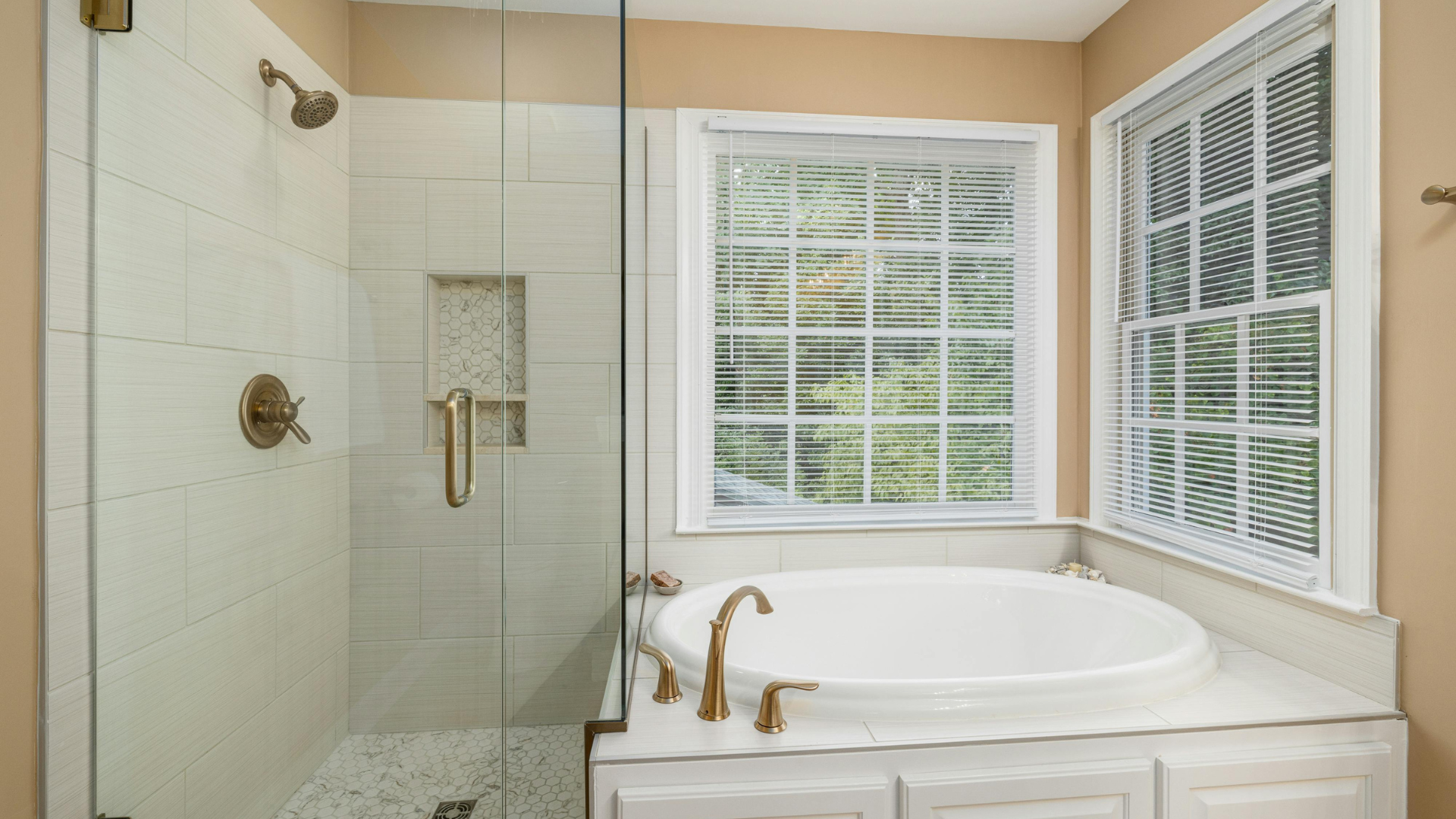
Enjoy moisture-resistant window treatments that add privacy and durability without sacrificing design.

Keep playtime safe and stylish with cordless shades designed for light control, safety, and fun patterns.

We make finding the perfect window treatments easy with our shop-at-home service. Simply schedule a free consultation, and we’ll bring a wide selection of shades, blinds and shutters samples directly to your home. This allows you to see samples in your space, ensuring they fit perfectly with your décor and lighting.

Our experts will provide personalized recommendations, take precise measurements, and offer transparent, affordable pricing—without the hassle of visiting a showroom.

We offer installation, so you can enjoy a seamless, custom-fit solution, all while saving time and money. Experience the convenience of choosing quality window treatments from the comfort of your home.


Finding the right window blinds near you doesn’t have to be a challenge. At Long Island Custom Blinds, we make the process simple by offering in-home consultations, expert recommendations, and precise measurements to ensure a perfect fit.
Our team serves all of East Hills and the surrounding areas, bringing samples directly to your door so you can see how different styles will look in your space.
From modern designs that maximize natural light to blackout options for bedrooms, we have something for every need and budget. Plus, with our professional installation services, you can rest assured that your window shades, blinds, or shutters will be securely mounted and built to last.
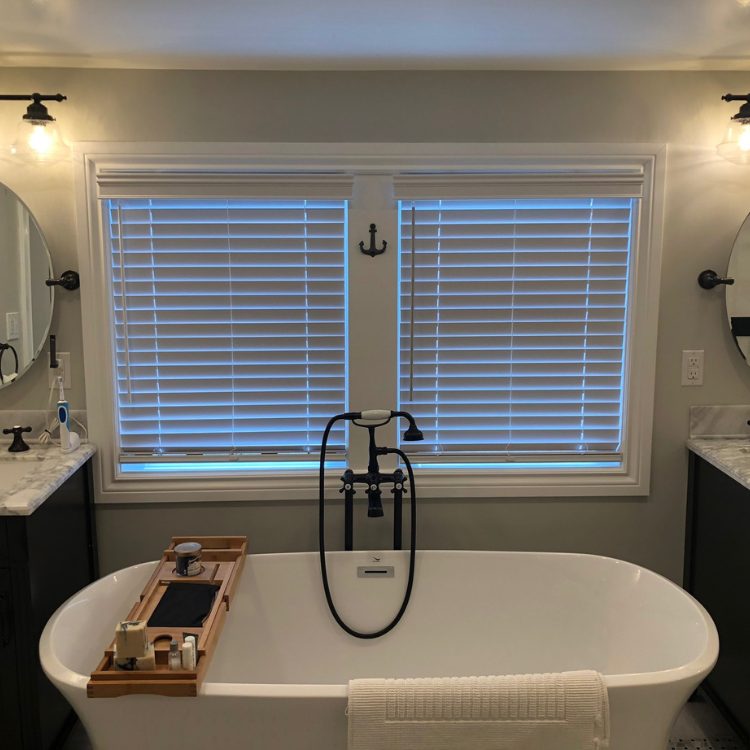
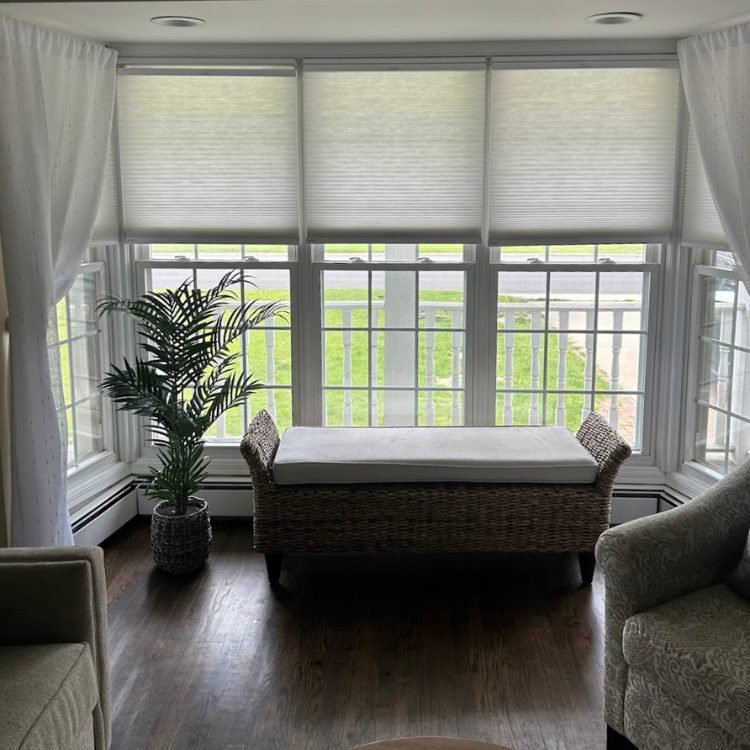
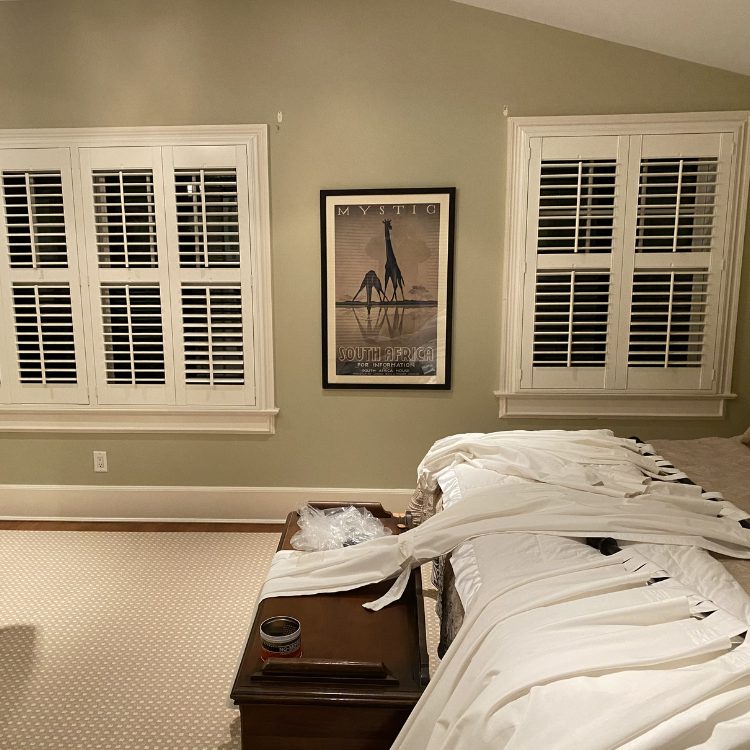
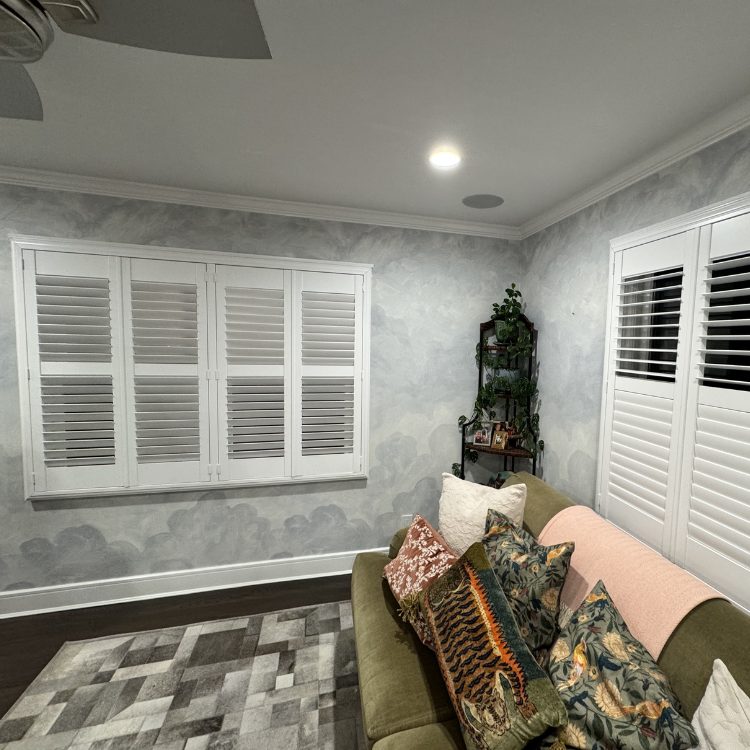
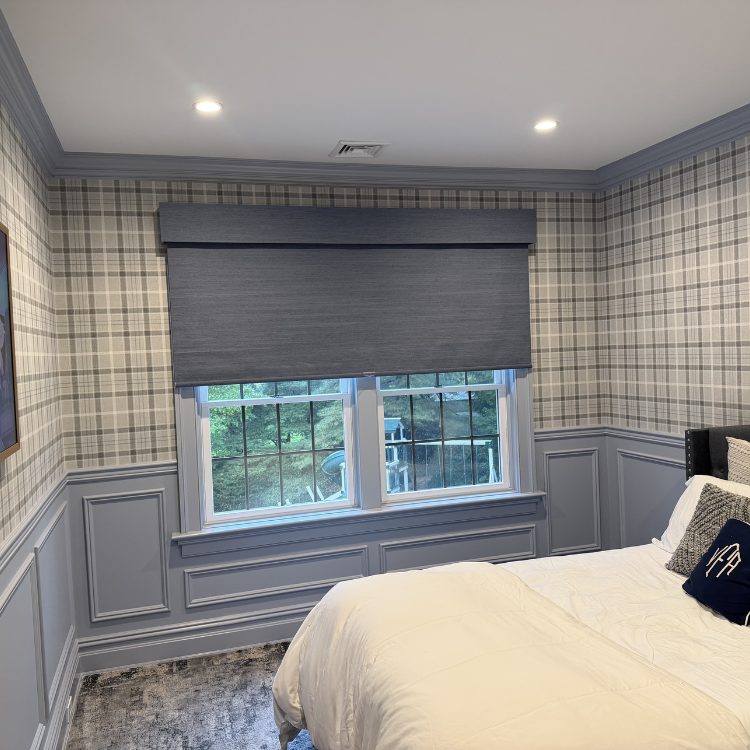
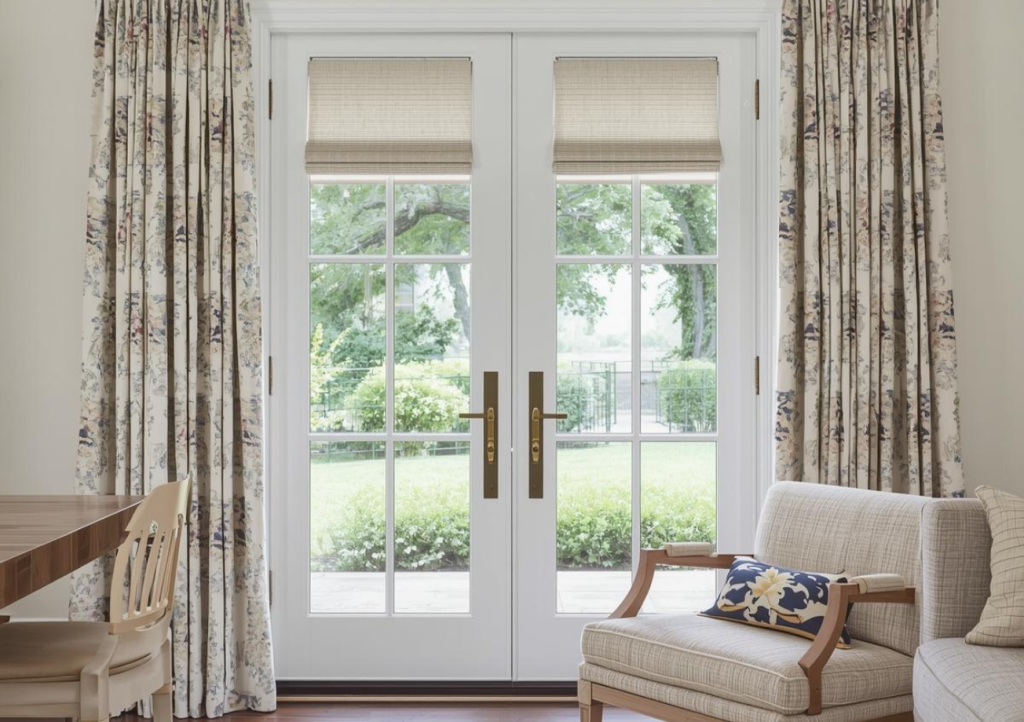

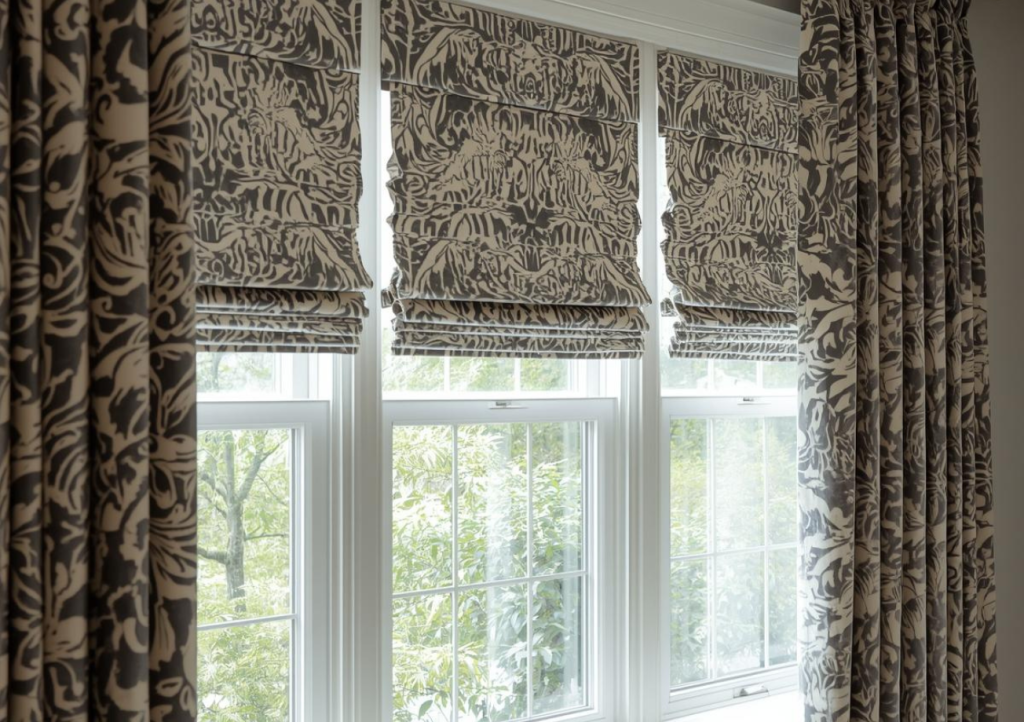

Nestled in the elevated terrain of Long Island’s North Shore approximately 25 miles east of Manhattan, East Hills represents one of the region’s most deliberately exclusive residential enclaves—a village where extraordinary wealth, restrictive zoning, and careful preservation of estate character create a community that exists almost entirely beyond public view. With a population of merely 6,900-7,200 residents spread across approximately 2.4 square miles, East Hills maintains the low density and privacy that define the most affluent North Shore communities while participating in the prestigious Roslyn school district that attracts many residents. Unlike neighboring Roslyn Village with its historic Main Street and tourism identity, or even Roslyn Heights with its visible suburban neighborhoods, East Hills operates as a private realm of gated estates, winding roads, and wealth so established it requires neither display nor public acknowledgment. The village exists not as a community in conventional terms but rather as a legal structure enabling property owners to control land use, limit development, and preserve the estate character that justifies extraordinary property values.
The name “East Hills” straightforwardly describes the village’s geography—elevated terrain east of Roslyn Village’s historic core. The area remained largely agricultural through the 19th and early 20th centuries, with scattered farms and estates occupying the rolling hills. The transformation began in the early-to-mid 20th century when wealthy families established larger properties, though substantial development occurred later than the initial Gold Coast era. The village incorporated in 1931, a defensive move by property owners seeking control over zoning and development to prevent the suburban subdivision transforming other Long Island areas. This incorporation represented not community-building in traditional senses but rather establishment of legal mechanisms to preserve large-lot estates and prevent commercial or dense residential development. That fundamental purpose—exclusion and preservation rather than growth or development—continues defining East Hills’ governance and character nine decades later.
East Hills’ demographic profile reveals a community combining extreme wealth and large-lot zoning with surprising ethnic diversity, creating patterns that challenge simple assumptions about exclusive North Shore villages while maintaining the privacy and estate character that define the community’s essential identity.
The population of approximately 6,900-7,200 residents has grown modestly over recent decades from roughly 6,700 in 2010 and 6,400 in 2000. This growth, while modest in absolute terms, represents roughly 10-15% increase over two decades—meaningful expansion for a community that exists primarily to limit development. The growth reflects some new construction on previously undeveloped parcels, subdivision of existing estates, and demographic changes within existing housing stock rather than transformation of community character.
Racial and ethnic composition reveals East Hills’ most surprising demographic characteristic: substantial diversity unusual among communities of comparable wealth and exclusivity. White residents comprise approximately 60-65% of the population—dramatically lower than Sands Point’s 90-93% or Manhasset’s 85-90%, and comparable to or slightly lower than Great Neck’s levels. Asian residents represent roughly 25-30% of the population—one of the highest percentages among Long Island’s wealthiest communities and substantially higher than most exclusive North Shore villages. Hispanic or Latino residents account for approximately 5-8%, and Black or African American residents comprise roughly 2-3%.
Arguments explaining East Hills’ diversity within exclusivity:
Roslyn school district as attraction: East Hills participates in the Roslyn Union Free School District, whose solid academic reputation attracts families prioritizing education. Asian families particularly demonstrate willingness to target specific school districts when making residential decisions, and Roslyn’s combination of strong schools and (relative to Manhasset or Great Neck) somewhat more accessible housing creates appeal. The school district connection means families considering East Hills evaluate it alongside Roslyn Village, Roslyn Heights, and Roslyn Estates—communities with established Asian populations—creating network effects and cultural comfort.
Persian and Middle Eastern wealth concentration: Substantial portions of East Hills’ Asian population consist of Persian/Iranian families (counted as Asian in census data) and other Middle Eastern populations who accumulated significant wealth through business ownership, professional success, or family resources. These families seek large properties, privacy, good schools, and Manhattan access—precisely what East Hills offers. The Persian Jewish community particularly has established presence, following patterns in nearby Great Neck while preferring East Hills’ larger lots and greater privacy.
Chinese business and professional wealth: Increasing numbers of wealthy Chinese families—business owners, corporate executives, professionals, and those with family wealth—seek prestigious Long Island addresses with excellent schools. East Hills’ combination of estate character, good schools, and relative openness (compared to the most insular WASP enclaves) makes it attractive. Some properties sell through international marketing reaching wealthy Chinese buyers, and network effects create clusters of Chinese families in certain neighborhoods.
Korean professional and business families: Korean families, often successful in business or professional careers, similarly target communities offering large properties, good schools, and convenient Manhattan access. East Hills attracts Korean families seeking more space and privacy than Great Neck or Roslyn Heights typically offer.
Housing market dynamics enabling diverse wealth: Unlike Sands Point or Manhasset where social networks and institutional gatekeeping may limit access, East Hills operates more through pure market mechanisms. Properties sell primarily based on price rather than social connections, meaning anyone with sufficient wealth can purchase. Given that Asian immigrants and their descendants include many extraordinarily wealthy individuals—often more recently wealthy than old-money WASP families—market-based access enables demographic diversity that social gatekeeping might prevent.
Timing of development and wealth accumulation: Much of East Hills’ development occurred during periods (1970s-2000s) when Asian immigration and wealth accumulation accelerated. Properties became available precisely when newly wealthy Asian families sought North Shore addresses, creating opportunities for entry that earlier development patterns might not have provided.
The result is a community where children named Kim, Chen, and Goldstein attend school together in a village of multi-million-dollar estates—a demographic pattern nearly unthinkable in many exclusive communities but increasingly common in portions of suburban New York where education quality drives residential decisions and market forces trump social gatekeeping.
Household income and wealth reach stratospheric levels that place East Hills among Long Island’s wealthiest communities. Median household income estimates exceed $200,000-250,000, though these figures dramatically understate actual financial resources. Many East Hills residents derive income from investments, business ownership, family trusts, and wealth sources that may not appear as taxable income. Net worth among substantial portions of the population likely reaches tens or hundreds of millions of dollars, with some families possessing wealth measured in hundreds of millions or even billions.
The village contains numerous properties owned by business owners, corporate executives, successful professionals (doctors, lawyers in lucrative practices), entrepreneurs, and inheritors of family wealth. This concentration of extreme wealth creates a community where million-dollar expenditures constitute routine decisions and where neighbors may include individuals known for business accomplishments or extraordinary success.
Age distribution shows a mature profile with median age approaching 45-48 years, reflecting both families with school-age children (drawn by Roslyn schools) and empty-nesters occupying large properties. The presence of school-age children ensures the community isn’t purely elderly, though families with young children represent minority given the extraordinary costs of entry. Some properties function as secondary residences for families whose primary homes lie elsewhere—Manhattan apartments, overseas residences—meaning actual occupancy patterns may differ from census figures.
Educational attainment runs exceptionally high, with bachelor’s degree attainment likely exceeding 70-75% and graduate/professional degrees held by 35-40%+ of adults—among the highest rates on Long Island. These figures reflect the concentration of highly educated professionals, business leaders, and successful individuals who comprise the population. The educational credentials correlate with household income levels and create community culture heavily emphasizing academic achievement and educational success for children.
Housing characteristics define East Hills’ essential character and explain the extraordinary costs of entry. The village enforces large minimum lot sizes—typically 1-2 acres throughout most areas, with some zones requiring even larger minimums—that prevent subdivision and ensure estate character. Properties typically feature homes of 4,000-10,000+ square feet, though some estates exceed 15,000-20,000 square feet. Architectural styles vary widely—contemporary mansions, Mediterranean villas, traditional colonials, modernist structures—reflecting diverse owner preferences and construction periods.
Property values typically range from $1.5-3 million for “modest” East Hills homes to $5-15 million+ for larger estates, with some exceptional properties exceeding $20-30 million. Waterfront properties (the village includes some areas near Long Island Sound) command premium pricing. Annual property taxes routinely exceed $30,000-60,000+ for typical properties and can reach $100,000+ for the largest estates, creating ongoing costs that require substantial wealth to sustain.
The village contains essentially no apartments, condominiums, townhouses, or other housing types that might provide entry at various price points. Nearly 100% of housing consists of single-family detached homes on large lots—the legal and practical definition of estate character that the village exists to preserve. Homeownership rates exceed 95%, among the highest rates anywhere and reflecting both the absence of rental housing and the wealth levels of residents who can afford to purchase multi-million-dollar properties.
Education in East Hills operates through the Roslyn Union Free School District, which serves East Hills along with Roslyn Village, Roslyn Heights, Roslyn Estates, Roslyn Harbor, and portions of other nearby areas. For East Hills residents, the school district represents a primary attraction—many families specifically choose East Hills for the combination of large properties, privacy, and access to solid public schools without needing private school tuition.
East Hills Elementary School serves local students in grades K-5, providing the village’s most visible public institution and creating shared educational experiences for East Hills children. The school benefits from serving one of the district’s most affluent populations, with students arriving from families possessing extraordinary resources, highly educated parents prioritizing academics, and home environments optimally supporting educational achievement. Academic outcomes at East Hills Elementary typically exceed district averages, which themselves substantially exceed state and national benchmarks—reflecting the socioeconomic advantages students bring rather than necessarily superior instruction compared to other Roslyn elementary schools.
Students then progress to Roslyn Middle School (grades 6-8) and Roslyn High School (grades 9-12), where they join peers from throughout the Roslyn district. This progression means East Hills students share educational experiences with Roslyn Village, Roslyn Heights, and other area residents, creating exposure to greater demographic and economic diversity than exists within East Hills itself. The middle and high school years provide opportunities for East Hills children to interact with students from varied backgrounds—an experience some families value for social development while others view with ambivalence, preferring the homogeneity of their home village.
Academic performance and expectations among East Hills families run extremely high, creating pressure on students and schools to deliver outcomes justifying the community’s extraordinary housing costs. Parents expect strong test scores, admission to highly selective colleges, and educational experiences preparing children for elite professional careers. These expectations create an intense academic culture that produces measurable outcomes while generating stress and mental health concerns among some students.
The demographic diversity within East Hills affects educational experiences and priorities. Asian families—Chinese, Korean, Indian, Persian—often bring cultural traditions heavily emphasizing academic achievement, creating expectations for rigorous instruction and high performance. These families may supplement school instruction with tutoring, test preparation, enrichment programs, and educational investments ensuring children achieve at highest levels. The concentration of Asian students at East Hills Elementary means the school culture reflects these priorities, potentially creating competitive dynamics and achievement pressure that some families embrace while others find excessive.
Arguments supporting the Roslyn schools choice for East Hills families:
The Roslyn district delivers genuinely strong educational outcomes substantially exceeding state and national averages, justifying families’ decisions to utilize public schools rather than private alternatives. Per-pupil spending exceeding $35,000 annually supports comprehensive programming, small class sizes, and strong resources. The combination of solid public schools and proximity to Manhattan creates practical advantages over communities requiring long commutes or offering weaker schools. Utilizing public schools saves the $40,000-60,000+ annual tuition costs that private schools would require—meaningful even for very wealthy families, particularly those with multiple children. The school district’s demographic diversity provides social experiences that purely homogeneous environments cannot, potentially better preparing students for diverse colleges and workplaces.
Arguments for why some families choose private schools despite Roslyn’s quality:
Some East Hills families choose private schools—Jewish day schools, prestigious independent schools, Manhattan private schools—for various reasons beyond academic quality concerns. Religious families seek Jewish education integrating secular academics with religious instruction. Some prefer smaller, more intimate school environments than Roslyn’s larger schools provide. Others seek the social networks and connections that elite private schools facilitate—legacy connections, peer groups from similar socioeconomic backgrounds, relationships leading to business and social opportunities. Some families perceive (whether accurately or not) that elite private school credentials provide advantages in college admissions beyond what public schools offer. A few families prefer to avoid what they view as excessive diversity or competitive dynamics in public schools, seeking more homogeneous environments.
The balanced reality:
Most East Hills families utilize Roslyn public schools, reflecting genuine confidence in district quality despite the embezzlement scandal’s legacy. The schools perform well, providing solid educational experiences that prepare students for competitive colleges and professional success. However, private school usage runs higher than in communities where public schools reach Manhasset or Great Neck elite levels, suggesting some East Hills families view Roslyn schools as good but not exceptional and prefer alternatives when resources permit.
The connection to Roslyn schools creates an interesting dynamic: East Hills children attend schools alongside peers from more modest socioeconomic backgrounds in Roslyn Heights or Roslyn Village, potentially providing exposure to economic diversity despite living in one of Long Island’s wealthiest enclaves. Whether this exposure creates meaningful cross-class understanding or merely constitutes geographic proximity without genuine social integration remains debated.
Tourism in East Hills operates at essentially zero levels, reflecting both the absence of attractions and the community’s fundamental character as a private residential enclave that exists specifically to exclude public presence. Unlike Roslyn Village with its historic Main Street and restaurant district, Sands Point with its preserved estates open to the public, or even Roslyn Heights with its ethnic restaurants, East Hills offers nothing to attract visitors and actively discourages any public presence beyond residents and their guests.
The complete absence of tourism infrastructure stems from several factors:
Pure residential zoning: East Hills contains no commercial zones, no retail establishments, no restaurants, no shops, and essentially no public facilities beyond schools and minimal village services. The village exists exclusively as residential space, with zoning codes strictly prohibiting commercial development that might attract outside visitors. This creates a community where residents must drive to neighboring areas for all shopping, dining, and services—an inconvenience residents accept as the price of residential exclusivity.
Gated estates and private roads: Many properties sit behind gates, and various roads within the village are private rather than public, legally restricting access to residents and their authorized guests. This physical infrastructure of exclusion prevents casual visitation, sightseeing, or public exploration of the village. Even public roads winding through East Hills offer little to see—views are blocked by gates, hedges, walls, and dense landscaping that property owners maintain specifically to ensure privacy.
No historic sites, natural attractions, or recreational facilities: East Hills lacks the historic architecture, preserved estates, paper mill ruins, or other heritage resources that attract tourism to Roslyn Village or Sands Point. The village contains no beaches, parks, hiking trails, or recreational facilities open to non-residents. The elevated topography provides no dramatic water views or scenic vistas accessible to the public. Whatever natural beauty exists remains locked behind private property gates.
Absence of public gathering spaces: The village contains no town center, no village green, no public squares or gathering places where residents congregate and where visitors might be welcomed. East Hills Elementary School serves as the village’s most visible public institution, but schools hardly constitute tourist attractions. The village government operates from minimal facilities handling only essential municipal functions.
Community values prioritizing privacy: East Hills residents specifically chose the village for privacy, exclusivity, and freedom from public intrusion. The community actively opposes any development or activity that might attract outside visitors, increase traffic, or compromise the residential tranquility that justifies extraordinary property values. These values translate into zoning policies, development restrictions, and community culture that maintain the village as essentially a private domain despite its legal status as a municipality.
Arguments that the absence of tourism serves the community well:
East Hills’ residents overwhelmingly value privacy and residential character over economic activity from tourism that the community doesn’t need. Property values depend substantially on exclusivity, quietness, and freedom from commercial activity or public traffic. The village’s wealth means tourism revenue is completely unnecessary for fiscal health—property taxes on multi-million-dollar estates generate abundant municipal revenue without any commercial or tourism economic activity. The community’s essential purpose involves preserving estate character and privacy, which tourism would fundamentally contradict. Residents purchased properties specifically for the privacy and exclusion that East Hills provides; introducing tourism would betray the social contract underlying property values and community character.
Arguments exploring hypothetical tourism possibilities:
Theoretical perspective: If East Hills hypothetically welcomed tourism, what might it offer? The estate architecture, landscape design, and wealth displays might interest visitors curious about how the ultra-wealthy live. “Lifestyles of the rich and famous” tourism exists in other contexts—Newport mansions, Beverly Hills tours—suggesting potential market. The village’s surprising ethnic diversity could support cultural tourism exploring Asian immigrant success and wealthy suburban integration. Educational tourism examining how extreme wealth functions in American democracy might utilize East Hills as a case study.
Practical reality: These hypothetical possibilities remain purely theoretical because East Hills residents would never permit tourism development, the village lacks legal or physical infrastructure to support visitation, property owners maintain privacy through gates and landscaping that prevent viewing, and zoning codes prohibit commercial development necessary for tourism businesses. Even if tourism development were hypothetically beneficial, the political economy of the village makes it impossible—current residents possess all political power and have no incentive to compromise privacy for tourism benefits they don’t need.
The realistic assessment:
East Hills will remain completely closed to tourism, functioning as a private residential enclave accessible only to residents and their guests. Visitors seeking “East Hills” experiences will find nothing—no attractions, no public access, no ability to even view properties from public roads. This complete exclusion represents the logical conclusion of wealth combined with municipal control: a community that has successfully isolated itself from public presence while occupying desirable geography within a major metropolitan region.
The distinction from other Roslyn-area communities deserves emphasis: visitors interested in the Roslyn name should visit Roslyn Village for historic Main Street, restaurants, and accessible experiences, or Roslyn Heights for ethnic dining. East Hills offers nothing to visitors and prefers to remain unknown beyond its reputation as a wealthy enclave. The community’s value lies entirely in providing residents with privacy, space, and exclusivity rather than serving any public purpose beyond the education provided through East Hills Elementary School.
The broader question of public good: Does a community like East Hills—occupying desirable geography, consuming public resources (roads, utilities, emergency services connecting to broader infrastructure), and benefiting from public education systems—have obligations to provide public access, contribute to regional tourism economies, or otherwise serve purposes beyond private residential interests? This philosophical question extends beyond East Hills to all exclusive residential enclaves, raising issues about property rights, community obligations, and the balance between private wealth and public goods in democratic society. East Hills’ complete privatization represents one answer to these questions—wealthy property owners using municipal power to preserve exclusively private use despite public infrastructure support—while other communities reach different balances.
