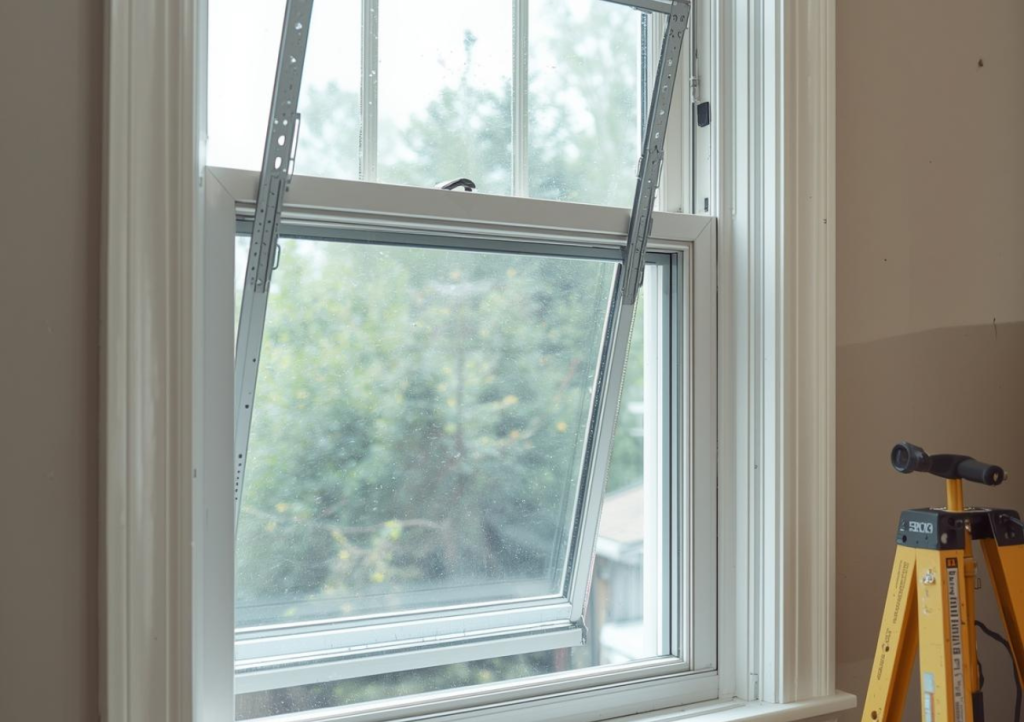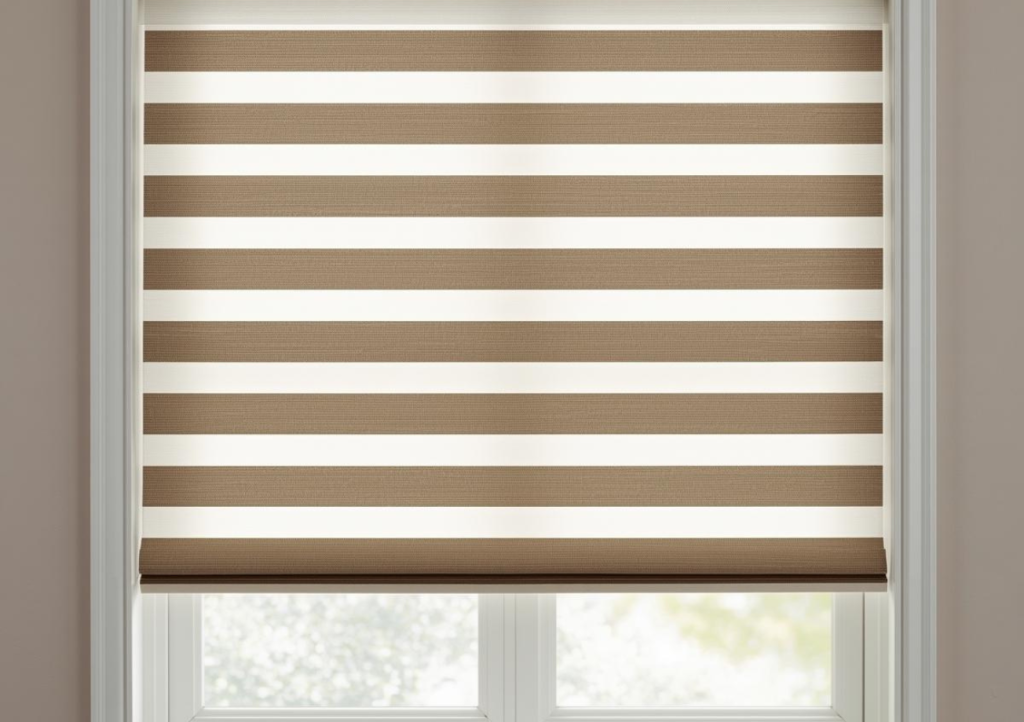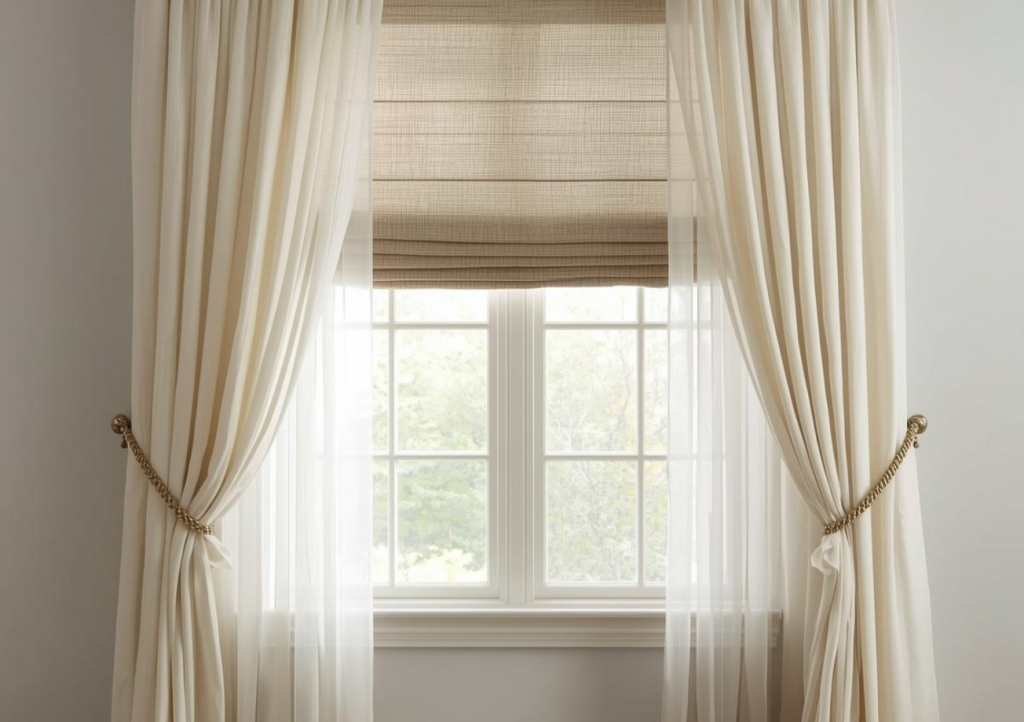
Window treatments can provide modest noise reduction from outside traffic, with cellular shades, heavy drapery, and plantation shutters offering the best sound-dampening properties. While window treatments alone won’t eliminate traffic noise—especially on busy Long Island corridors like the Northern State, Southern State, or the LIE—layered treatments combined with properly sealed windows can reduce noise levels by 5-10 decibels. For Long Island homeowners dealing with street noise in densely populated Nassau County neighborhoods or those near Montauk Highway in the Hamptons, the right window treatments serve as an affordable first step in creating a quieter, more peaceful home environment.
Understanding How Window Treatments Reduce Noise
Sound waves travel through air and vibrate window glass, transmitting exterior noise into your home. Window treatments reduce noise through three mechanisms: absorption (soft materials trap sound waves), mass (heavy materials block sound transmission), and creating air gaps (adding layers between the noise source and interior space).
The effectiveness of noise reduction depends on the material density, thickness, installation method, and how well the treatment seals the window opening. Treatments mounted inside the window frame with gaps around the edges provide minimal noise reduction, while outside-mounted treatments that overlap the window frame and extend to the wall offer significantly better sound dampening.
For Long Island homes near high-traffic areas—whether you’re in Garden City near the Garden State Parkway, Hauppauge along the LIE corridor, or Bay Shore near Montauk Highway—understanding these principles helps you select the most effective noise-reducing window treatments for your specific situation.
Best Window Treatments for Traffic Noise Reduction
Cellular (Honeycomb) Shades
Cellular shades rank among the top performers for noise reduction due to their unique honeycomb construction that traps air in pockets, creating natural sound insulation. Double-cell and triple-cell designs offer superior noise dampening compared to single-cell options, with the added benefit of excellent energy efficiency—crucial for Long Island’s hot summers and cold winters.
For maximum noise reduction, choose cellular shades with deeper cells (3/4″ or larger), blackout fabrics that add density, and outside mounting that covers the entire window frame. The continuous fabric also eliminates the slat gaps found in blinds, preventing sound wave penetration.
Many Roslyn and Manhasset homeowners facing Northern Boulevard traffic choose room-darkening cellular shades for bedrooms, achieving both noise reduction and protection from early summer sunrises that begin before 5:30 AM.
Heavy Drapery and Curtains
Thick, lined drapery provides excellent sound absorption, particularly when using heavyweight fabrics like velvet, suede, or multi-layered materials. Thermal-lined or interlining drapery adds mass that blocks sound transmission while also improving energy efficiency.
For optimal noise reduction, install drapery panels that extend several inches beyond the window frame on all sides and hang from ceiling to floor rather than just window-length. This creates a sound buffer zone and prevents noise from entering around the edges. Ripplefold or pinch pleat fullness (2.5 to 3 times the window width) adds fabric density that enhances sound absorption.
In historic North Shore estates in Old Westbury or Locust Valley with large windows facing tree-lined but traffic-heavy roads, custom drapery provides both noise reduction and classic design aesthetics that complement traditional architecture.
Plantation Shutters
Solid wood or composite plantation shutters create a rigid barrier that blocks sound transmission, especially when closed tightly. Their solid construction and ability to seal completely within the window frame make them more effective than slatted blinds for noise control.
For maximum noise reduction, choose shutters with wider louvers (3.5″ or 4.5″) that have less gap space when closed, and ensure a professional installation that minimizes gaps between panels and frames. Shutters also excel in Long Island coastal areas like the Hamptons, Northport, or Port Washington, where salt air-resistant composite materials withstand moisture while providing year-round noise reduction.
The permanent installation and substantial feel of plantation shutters make them ideal for street-facing windows in densely populated areas like Massapequa, Babylon, or Patchogue neighborhoods with close-set homes.
Layered Treatment Combinations
Combining multiple window treatments creates the most effective noise barrier. Popular combinations include cellular shades with drapery, shutters with fabric panels, or roller shades layered under curtains. Each layer adds mass and creates additional air gaps that disrupt sound wave transmission.
A practical approach for Long Island homes: install cellular shades for energy efficiency and baseline noise reduction, then add drapery panels for enhanced sound dampening during sleeping hours or when maximum quiet is needed. This combination also addresses Long Island’s intense summer sun and provides flexible light control throughout the day.
Window Treatments That Offer Minimal Noise Reduction
Standard Blinds
Horizontal blinds (wood, faux wood, aluminum, or vinyl) and vertical blinds provide minimal noise reduction because the individual slats create gaps that allow sound waves to pass through. Even when fully closed, the overlapping slats don’t create an effective sound barrier.
While these options work well for light control, privacy, and moisture resistance in Long Island bathrooms and kitchens, don’t expect significant noise dampening from traffic or neighborhood sounds.
Sheer Shades and Light-Filtering Treatments
Sheer shades, solar shades, and light-filtering roller shades use thin, lightweight fabrics designed to allow light transmission—which means they also allow sound transmission. These treatments excel at UV protection (critical for preserving Long Island hardwood floors and furniture from sun damage) but offer virtually no noise control.
For south and west-facing windows in Huntington, Smithtown, or Cold Spring Harbor homes where sun control is the priority, consider layering solar shades with heavier drapery that can be drawn when noise reduction becomes important.
Maximizing Noise Reduction with Proper Installation
Installation method significantly impacts noise-reducing effectiveness. Outside-mounted treatments that extend beyond the window frame create better sound barriers than inside-mounted options. Adding a cornice or valance at the top creates an enclosed space that prevents sound from entering above the treatment.
Ensure treatments extend at least 3-4 inches beyond the window frame on sides and bottom, or install floor-length drapery that puddles slightly or just kisses the floor. Side channels for roller shades and cellular shades eliminate light gaps and also minimize sound penetration.
For Long Island homes with multiple windows on traffic-facing walls, treat all windows rather than just selected ones—sound will enter through untreated windows, reducing the overall effectiveness of your noise-reduction efforts.
Realistic Expectations: What Window Treatments Can and Cannot Do
Window treatments alone typically reduce noise levels by 5-10 decibels—noticeable but not dramatic. This reduction makes traffic sound less intrusive but won’t eliminate it entirely, especially for homes on extremely busy roads like Jericho Turnpike, Hempstead Turnpike, or Route 25A.
For comparison, normal conversation measures about 60 decibels, while heavy traffic registers 80-85 decibels. A 10-decibel reduction makes traffic sound approximately half as loud to the human ear—creating a more peaceful environment without requiring expensive window replacement.
Homeowners dealing with severe noise issues in high-traffic Nassau County areas like areas near the Meadowbrook or Wantagh Parkways should consider window treatments as part of a comprehensive approach that includes window upgrades (double or triple-pane glass), weatherstripping improvements, and potentially adding exterior storm windows.
Combining Solutions for Maximum Impact
Address the Weakest Links First
Sound enters homes through gaps and poorly sealed areas. Before investing in noise-reducing window treatments, inspect windows for air leaks using the candle test (hold a lit candle near closed window edges and watch for flickering). Seal gaps with weatherstripping or caulk to prevent sound infiltration around the window frame.
For older Long Island colonials and Cape Cods in communities like Oyster Bay, Glen Cove, or Commack, original windows may have significant air gaps that undermine any window treatment’s noise-reducing effectiveness.
Consider Window Film and Inserts
Combining sound-dampening window film or acoustic window inserts with heavy window treatments creates multiple barriers to sound transmission. Window film also provides UV protection crucial for Long Island homes with intense sun exposure, while removable acoustic inserts can be added seasonally when noise is most problematic.
Room-Specific Strategies
Focus noise-reduction efforts on rooms where quiet matters most—bedrooms, home offices, and living spaces used for relaxation or entertainment. Children’s bedrooms in Plainview or Syosset homes near schools with traffic congestion during drop-off and pick-up hours benefit significantly from cellular shades or layered treatments that reduce afternoon noise during nap times.
Additional Benefits Beyond Noise Reduction
Energy Efficiency
The same window treatments that reduce noise—cellular shades, heavy drapery, and shutters—also improve insulation, reducing heat gain during Long Island’s hot summers and heat loss during cold winters. This translates to lower utility bills and improved home comfort year-round.
Cellular shades carry R-value ratings (insulation measurement), with top-performing triple-cell designs achieving R-values of 5.0 or higher. For Long Island homes with south and west-facing windows experiencing intense afternoon sun in Great Neck, Southampton, or East Hampton, combining energy efficiency with noise reduction provides dual benefits.
UV Protection and Privacy
Layered treatments combining solar shades with drapery protect furniture, artwork, and flooring from UV damage while reducing noise. The solar shade blocks 90-99% of harmful UV rays during the day, while drapery adds noise reduction and complete privacy during evening hours—ideal for street-facing windows in neighborhoods with sidewalk traffic or close neighbors.
Enhanced Home Value
Quality window treatments professionally selected and installed increase perceived home value, particularly in competitive Long Island real estate markets. Custom treatments that address multiple concerns—noise, energy efficiency, light control, and design aesthetics—appeal to potential buyers seeking move-in ready homes.
Schedule Your Free Consultation with Long Island Custom Blinds
Traffic noise doesn’t have to compromise your home’s comfort and tranquility. At Long Island Custom Blinds, we help homeowners throughout Nassau and Suffolk Counties—from Port Washington to Montauk, Garden City to Greenport—select and install window treatments that reduce noise while addressing Long Island’s unique climate challenges.
Our design experts will visit your home to assess your specific noise concerns, window configurations, and design preferences, then recommend customized solutions that fit your budget and lifestyle. We’ll explain realistic expectations for noise reduction and suggest treatment combinations that maximize both acoustic and aesthetic benefits.
Contact Long Island Custom Blinds today at [phone number] or visit https://longislandcustomblinds.com to schedule your complimentary in-home consultation. Discover how the right window treatments can create a quieter, more peaceful home environment while enhancing energy efficiency, protecting your furnishings, and complementing your interior design. Serving all of Long Island with professional installation, quality products, and personalized service that transforms houses into havens of comfort.