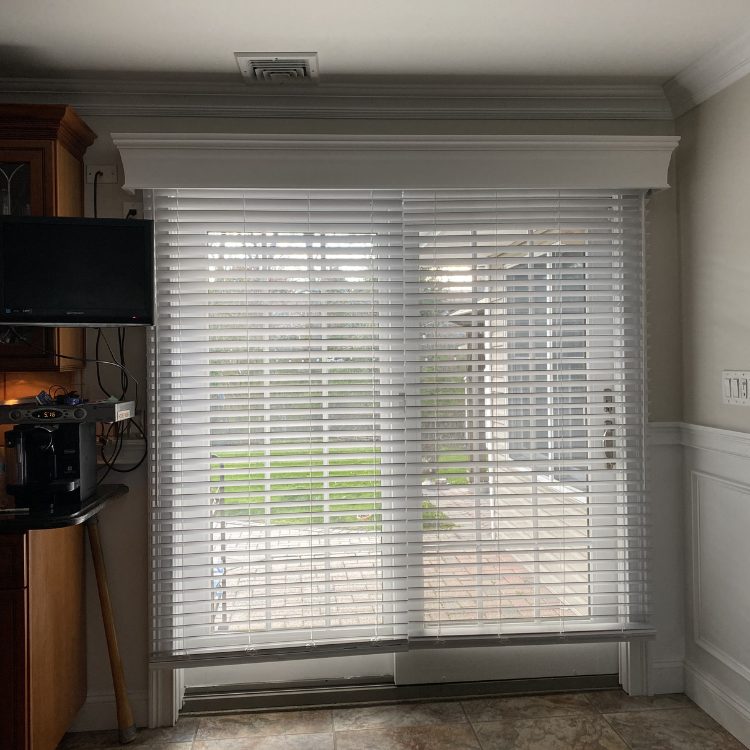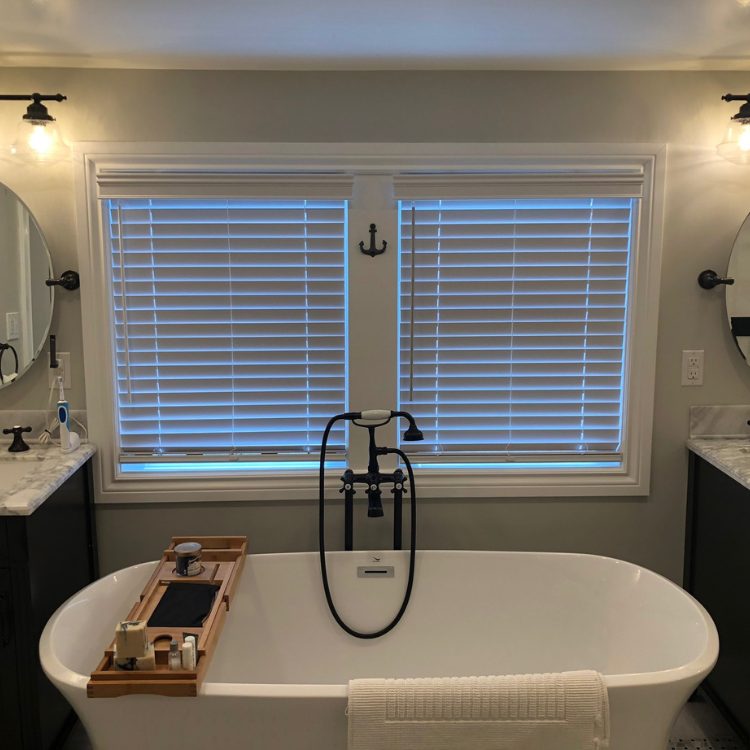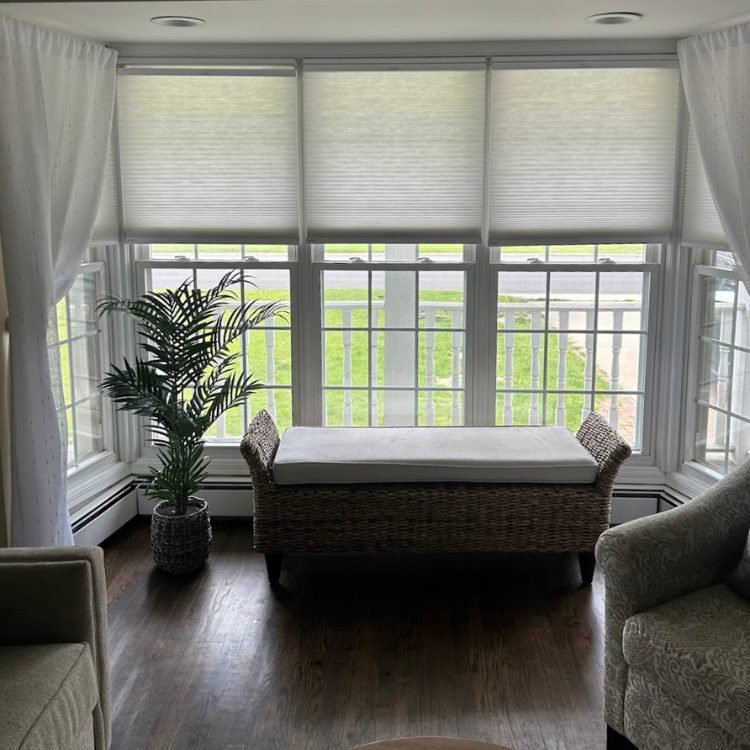
Cellular shades with double-cell construction provide the highest insulation value among window treatments, creating air pockets that block heat transfer and can reduce cooling costs by up to 25%. Solar shades that block UV rays while maintaining views are another excellent option for Long Island’s intense summer sun. For maximum efficiency, combine room-darkening cellular shades with reflective or light-colored facing on the exterior side to deflect heat before it enters your home.
Why Energy-Efficient Window Treatments Matter on Long Island
Long Island homeowners face some of the highest energy costs in the nation, and with summer temperatures regularly climbing into the 90s and humidity making it feel even hotter, air conditioning expenses can become overwhelming. South and west-facing windows are particularly problematic, as they receive direct afternoon sun that can raise indoor temperatures by 10-20 degrees, forcing your AC system to work overtime.
The combination of extended summer daylight hours—with sunrise before 5:30 AM—and strong seasonal sun angles means Long Island homes experience significant solar heat gain for much of the day. Without proper window treatments, your air conditioner battles not just outdoor temperatures but also the greenhouse effect created by untreated glass windows. This is especially challenging in classic Long Island colonials with multiple double-hung windows and mid-century ranch homes featuring large picture windows that, while architecturally beautiful, can become serious energy liabilities.
Top Energy-Efficient Window Treatment Options
Cellular (Honeycomb) Shades: The Insulation Champions
Cellular shades earn their reputation as the most energy-efficient window treatment through their unique honeycomb construction. Single-cell shades create one layer of insulating air pockets, while double-cell shades—recommended for Long Island’s climate extremes—feature two layers for superior thermal protection.
The trapped air within these cellular pockets acts as a barrier against heat transfer, keeping hot outdoor air from penetrating your living space during summer and retaining cool conditioned air inside. Look for cellular shades with higher R-values (thermal resistance ratings); double-cell shades typically achieve R-values between 4.0 and 5.0, significantly outperforming single-pane windows alone.
For Nassau County homes in Garden City, Great Neck, and Manhasset, or Suffolk County properties in Huntington, Cold Spring Harbor, and throughout the Hamptons, cellular shades offer year-round benefits—insulating against summer heat and winter cold. Choose light or reflective colors for the exterior-facing side to maximize heat reflection.
Solar Shades: UV Protection With a View
Solar shades use specially engineered fabrics with varying openness factors (typically 1%, 3%, 5%, or 10%) to block UV rays and solar heat while maintaining outward visibility. A 3% openness solar shade can block up to 97% of UV rays and significantly reduce heat gain without darkening your room or eliminating your view.
These shades are ideal for waterfront homes in Sag Harbor, Montauk, or Northport where views are premium, as well as for protecting hardwood floors, furniture, and artwork from Long Island’s intense sun exposure. For maximum cooling efficiency, consider exterior solar shades or solar screens that block heat before it reaches the glass—exterior mounting can reduce heat gain by up to 80%.
Reflective Roller Shades and Room-Darkening Options
Roller shades with reflective or metallized backing deflect solar radiation away from windows, preventing heat absorption. When paired with room-darkening or blackout fabrics, these shades not only block heat but also eliminate the early morning summer sun that streams through east-facing windows in Roslyn, Smithtown, or Southampton homes before 5:30 AM.
Room-darkening cellular shades combine the insulation benefits of honeycomb construction with light-blocking capabilities, making them excellent for bedrooms where you want both temperature control and sleep-friendly darkness during Long Island’s extended summer daylight hours.
Strategic Installation for Maximum Efficiency
Inside vs. Outside Mount Considerations
Outside-mounted window treatments create better insulation by covering more window area and reducing air gaps where heat can infiltrate. This is particularly important for older Long Island homes in communities like Oyster Bay, Babylon, or Patchogue where original windows may have gaps around the frame. Outside mounting also prevents the “edge effect” where heat escapes around the sides of inside-mounted treatments.
However, inside-mounted treatments offer a cleaner look that many homeowners in design-conscious communities like Old Westbury and Bridgehampton prefer. If choosing inside mount, ensure treatments fit tightly within the window frame and consider adding side channels to cellular shades, which seal the edges and prevent air infiltration.
Top-Down/Bottom-Up Functionality
Top-down/bottom-up cellular shades allow you to lower the shade from the top while keeping the bottom raised, providing privacy while allowing hot air to escape near the ceiling—particularly effective in two-story colonials and Cape Cods common throughout Nassau and Suffolk Counties. This natural convection helps reduce cooling loads without sacrificing privacy from street-facing windows or close neighbors.
Complementary Strategies for Enhanced Cooling Efficiency
Layering Treatments for Superior Performance
Combining treatments maximizes energy efficiency. Pair solar shades (for daytime UV and heat blocking while maintaining views) with cellular shades or drapes (for nighttime insulation). This layered approach works exceptionally well in homes with expansive glass—common in newer Long Island construction with open floor plans—and provides flexibility throughout the day.
For sliding glass doors in Islip, Bay Shore, or East Hampton beach houses, consider vertical cellular shades or panel track systems with solar or room-darkening fabrics to address these large heat-gain areas effectively.
Motorization and Smart Home Integration
Motorized window treatments can be programmed to automatically close during peak sun hours (typically 1-4 PM for south and west-facing windows), maximizing efficiency even when you’re not home. Smart home integration allows window treatments to respond to temperature sensors, closing automatically when indoor temperatures rise or outdoor temperatures exceed set thresholds.
For Long Island’s many waterfront properties in Greenport, Southold, Port Washington, or throughout the Hamptons, motorization offers the added benefit of easy operation for high or hard-to-reach windows and skylights without exposure to salt air-corroding manual controls.
Material Selection for Coastal Conditions
If you’re in a coastal community like Montauk, Southampton, or Glen Cove, choose window treatments with corrosion-resistant hardware and moisture-resistant materials. Even the most energy-efficient cellular shade will lose effectiveness if salt air damages the operating mechanisms. Look for aluminum or stainless steel components and synthetic fabrics designed for humid, coastal environments.
Color and Fabric Choices That Impact Efficiency
Light colors reflect heat more effectively than dark colors, so choose white, cream, or light-colored cellular shades for the exterior-facing side regardless of your interior design preferences. Many cellular shades offer dual-color options—allowing you to have decorative colors facing your room while maintaining heat-reflective white or metallized surfaces facing the window.
For solar shades, darker colors (like charcoal or black) provide better visibility to the outside during daytime while still blocking heat and UV rays. Lighter solar shade colors provide more daytime privacy but may reduce outward visibility slightly.
Measuring Your Energy Savings
Energy-efficient window treatments can reduce cooling costs by 15-25% during Long Island’s summer months, translating to hundreds of dollars annually for most homes. The Department of Energy estimates that cellular shades can save $180 per year for a typical 2,000-square-foot home, with even greater savings for homes with many south and west-facing windows or large expanses of glass.
Track your utility bills before and after installation to quantify your savings. Many homeowners in Massapequa, Commack, Sayville, and throughout Nassau and Suffolk Counties report that their window treatment investment pays for itself within 3-5 years through reduced energy costs alone—not counting the additional benefits of UV protection, privacy, and enhanced home comfort.
Professional Assessment for Optimal Results
Every Long Island home has unique characteristics affecting energy efficiency: window orientation, glass type, architectural features, surrounding landscaping, and proximity to water all influence which window treatment solutions will provide maximum cooling cost reduction. A professional consultation from Long Island Custom Blinds includes assessment of your specific heat-gain challenges and recommendations tailored to your home’s needs.
Our experienced team serves all of Nassau County—from Great Neck to Rockville Centre—and throughout Suffolk County—from Hauppauge to the North Fork—providing free in-home consultations where we measure your windows, evaluate sun exposure patterns, discuss your budget and design preferences, and recommend the most energy-efficient solutions for your specific situation.
Ready to reduce your air conditioning costs while enhancing your home’s comfort and style? Contact Long Island Custom Blinds at https://longislandcustomblinds.com for a free consultation. Our energy-efficient window treatment solutions are custom-designed for Long Island’s unique climate challenges, helping homeowners throughout Nassau and Suffolk Counties stay cooler while saving money all summer long.