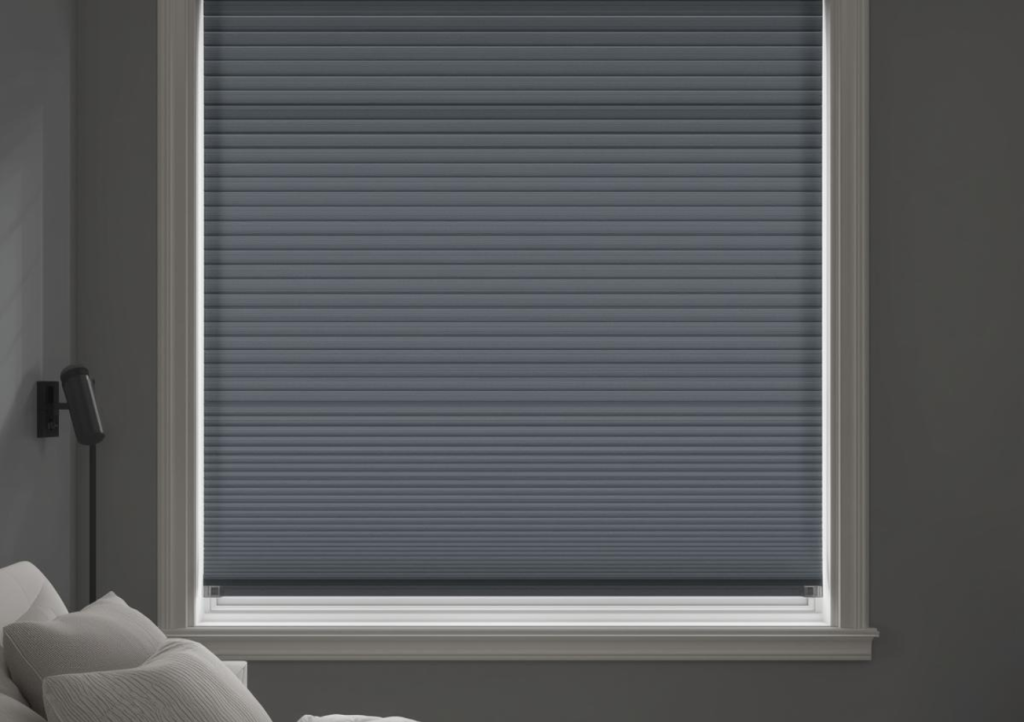
Cellular shades, also called honeycomb shades, come in two main configurations: single-cell and double-cell. Single-cell shades feature one layer of honeycomb-shaped cells that trap air for basic insulation, while double-cell shades have two layers of cells that create additional air pockets for superior energy efficiency. For Long Island homeowners dealing with hot summers, cold winters, and high energy costs, understanding this difference is crucial for maximizing comfort and reducing utility bills.
How Single-Cell and Double-Cell Shades Are Constructed
The fundamental difference between these two cellular shade types lies in their physical structure. Single-cell shades have one honeycomb layer—when viewed from the side, you see a single row of hexagonal cells extending from the front fabric to the back fabric. This design creates trapped air pockets that provide a basic insulating barrier between your home’s interior and the outdoor temperature.
Double-cell shades feature two distinct layers of honeycomb cells stacked together, creating what looks like two rows of hexagons when viewed from the side. This dual-layer construction essentially doubles the insulating air pockets, providing significantly enhanced thermal performance. The additional layer creates more dead air space—the most effective natural insulator—making double-cell shades one of the most energy-efficient window treatment options available.
Both types maintain the clean, contemporary appearance cellular shades are known for, with pleated fabric that stacks compactly when raised. The visual difference from the room side is minimal, though double-cell shades are slightly thicker when fully extended.
Energy Efficiency and Insulation Performance
For Long Island homes facing temperature extremes—from summer heat waves that strain air conditioning systems to frigid winter winds off the Atlantic—insulation performance is critical. Double-cell shades provide R-values (thermal resistance ratings) ranging from 4.0 to 5.0, depending on cell size and fabric type. Single-cell shades typically offer R-values between 2.0 and 3.5.
This difference translates to real-world energy savings. During Nassau County summers when afternoon sun beats down on south and west-facing windows in communities like Garden City, Massapequa, and Rockville Centre, double-cell shades can reduce solar heat gain by up to 80%, significantly decreasing air conditioning costs. In winter months, they help retain heated air inside your home, reducing heating bills.
For Suffolk County waterfront properties in areas like the Hamptons, Cold Spring Harbor, and Northport where large windows maximize water views but also expose homes to temperature fluctuations, double-cell shades provide superior protection against both summer heat and winter cold. Homes with expansive picture windows—common in mid-century ranch homes throughout Commack, Hauppauge, and Smithtown—benefit especially from the enhanced insulation of double-cell construction.
Cell Size Options and Their Impact
Both single-cell and double-cell shades come in various cell sizes, typically ranging from 3/8-inch to 3/4-inch cells. The cell size affects both appearance and performance. Larger cells (1/2-inch to 3/4-inch) provide greater insulating value because they create larger air pockets, making them ideal for double-cell configurations where maximum energy efficiency is the priority.
Smaller cells (3/8-inch) offer a more refined, tailored appearance that suits formal spaces and smaller windows. For specialty windows common in Long Island’s historic North Shore estates in Old Westbury, Locust Valley, and Sands Point, smaller cell sizes can accommodate arches, angles, and other architectural details more precisely.
When choosing between single-cell and double-cell shades, consider your window size. Larger windows—such as the expansive glass found in newer construction throughout Jericho, Syosset, and Plainview—benefit more dramatically from double-cell insulation because the greater surface area allows more energy transfer. Smaller windows in traditional Long Island colonials and Cape Cods may perform adequately with single-cell options, though double-cell still provides superior efficiency.
Light Control and Privacy Considerations
Both single-cell and double-cell shades offer identical light control options, including sheer fabrics for light filtering, semi-opaque fabrics for privacy with soft light, and blackout fabrics for complete room darkening. The difference is that double-cell construction adds a layer of light diffusion, creating slightly softer, more even illumination when using light-filtering fabrics.
For Long Island bedrooms dealing with early summer sunrises—when daylight begins before 5:30 AM—both types are available in blackout fabrics. However, double-cell blackout shades provide marginally better light blocking because of the two-layer construction, making them ideal for master bedrooms in communities like Babylon, Bay Shore, and Islip where morning sun can disrupt sleep.
Privacy is equally effective with both options when using opaque or blackout fabrics, an important consideration for homes with close neighbors common in established neighborhoods throughout Great Neck, Manhasset, and Port Washington.
Cost Considerations and Return on Investment
Single-cell shades are typically 15-25% less expensive than double-cell shades in comparable fabrics and sizes. For budget-conscious homeowners or those outfitting rental properties, single-cell shades offer good insulation value at a lower price point. They’re also suitable for moderate climate zones within your home—interior rooms, closets, or windows that don’t face direct sun exposure.
Double-cell shades represent a larger upfront investment but deliver greater long-term energy savings. For Long Island homeowners facing high utility costs, particularly those with older homes lacking modern insulation, the additional investment typically pays for itself within 3-5 years through reduced heating and cooling expenses. This return on investment is especially compelling for homes throughout Suffolk County communities like Patchogue, Sayville, and the Hamptons where larger square footage and extensive window exposure increase energy consumption.
When comparing costs, consider the windows that contribute most to energy loss: large south and west-facing windows, picture windows, sliding glass doors, and windows in rooms you use most frequently. Installing double-cell shades in these high-impact locations while using single-cell in less critical areas can provide an effective compromise between performance and budget.
Appearance and Design Flexibility
From a design perspective, both single-cell and double-cell shades offer similar aesthetic appeal and customization options. Both are available in hundreds of colors, textures, and patterns ranging from crisp whites and neutrals to bold designer colors that can complement any décor style—from the coastal aesthetic popular in waterfront communities to the traditional elegance of North Shore estates to the contemporary minimalism of modern Long Island homes.
The visible difference from inside the room is minimal. Double-cell shades appear slightly fuller when extended, which some homeowners prefer for a more substantial, luxury appearance. When raised, both types stack compactly, maximizing window views—an important feature for water views in communities like Southampton, East Hampton, Sag Harbor, and Greenport.
Both shade types coordinate beautifully with other window treatments. Layering cellular shades with decorative drapery panels is popular in formal living rooms and dining rooms throughout Long Island, providing the energy efficiency of cellular shades with the softness and elegance of fabric draperies.
Best Applications for Each Type
Choose single-cell shades for:
- East and north-facing windows with less direct sun exposure
- Smaller windows where insulation needs are minimal
- Interior rooms or closets
- Secondary spaces like laundry rooms, hallways, and bathrooms
- Rental properties where upfront cost is the primary concern
- Layering beneath decorative curtains where maximum insulation isn’t critical
Choose double-cell shades for:
- South and west-facing windows with intense sun exposure
- Large picture windows and sliding glass doors
- Rooms with extreme temperature challenges
- Master bedrooms and primary living spaces
- Homes with high heating and cooling costs
- Waterfront and beach properties exposed to temperature extremes
- Sunrooms and three-season rooms throughout Long Island
- Skylights and cathedral windows where heat gain and loss are significant
For Long Island’s climate specifically, double-cell shades make the most sense for rooms facing the afternoon sun during summer months and for any room with substantial glass exposure during winter.
Motorization and Smart Home Integration
Both single-cell and double-cell shades are available with motorization options, which are increasingly popular throughout Long Island for convenience, child safety, and smart home integration. Motorized cellular shades eliminate lift cords, making them compliant with child safety regulations—an important consideration for families in communities throughout Nassau and Suffolk counties.
Motorization is especially practical for hard-to-reach windows, skylights in vaulted ceilings common in newer construction, and windows behind furniture. For expansive window walls found in contemporary waterfront homes, motorization allows effortless control of multiple shades simultaneously.
Smart home compatibility—with systems like Amazon Alexa, Google Home, and Apple HomeKit—enables programming shades to lower automatically during peak afternoon sun, maximizing energy efficiency without daily manual adjustment. This automation is particularly valuable during Long Island’s extended summer days when sun exposure varies significantly throughout the day.
Both single-cell and double-cell shades support motorization equally well, so your choice should be based on insulation needs rather than motorization capabilities.
Maintenance and Durability
Maintenance requirements are virtually identical for single-cell and double-cell shades. Both feature fabric that naturally resists dust due to static-resistant and anti-static treatments. Regular dusting with a feather duster or vacuum brush attachment keeps them fresh, with occasional spot cleaning for any marks.
For Long Island’s coastal communities—including waterfront properties in Oyster Bay, Glen Cove, Montauk, and Southold—where salt air can affect window treatments, cellular shades offer an advantage over natural materials. The synthetic fabrics used in both single-cell and double-cell construction resist moisture and salt air better than wood blinds, making them suitable for beach houses and waterfront homes.
Durability is similar between both types, with quality cellular shades lasting 10-15 years with proper care. Double-cell shades may have a slight durability advantage because the dual-layer construction provides additional fabric strength, reducing the risk of tears or punctures—a consideration for active households with children or pets.
Making the Right Choice for Your Long Island Home
When deciding between single-cell and double-cell cellular shades, evaluate each window individually based on exposure, size, and usage. A complete home solution might incorporate both types: double-cell for high-priority areas like south-facing living rooms and master bedrooms, single-cell for secondary spaces where energy efficiency is less critical.
Consider your home’s specific challenges. If you live in an older colonial in Huntington or Northport lacking modern insulation, investing in double-cell shades throughout the home provides maximum energy savings. If you have a newer, well-insulated home in Commack or Hauppauge, strategic placement of double-cell shades on sun-exposed windows combined with single-cell elsewhere may be sufficient.
Climate control priorities also matter. Homes throughout the Hamptons and North Fork communities where air conditioning costs dominate summer budgets benefit significantly from double-cell shades’ superior heat-blocking capabilities. Properties in western Nassau County communities like Syosset and Jericho where both heating and cooling costs are substantial year-round see the greatest overall return on investment from double-cell construction.
Schedule Your Free In-Home Consultation
Choosing the right cellular shades for your Long Island home requires understanding your specific windows, sun exposure patterns, and energy efficiency goals. Long Island Custom Blinds offers complimentary in-home consultations throughout Nassau County and Suffolk County, bringing fabric samples, discussing insulation values, and providing expert recommendations tailored to your home’s unique needs.
Our experienced design consultants serve homeowners throughout Long Island—from Nassau County communities including Garden City, Great Neck, Massapequa, and Oyster Bay to Suffolk County areas including Huntington, Babylon, the Hamptons, and North Fork communities. We’ll assess your windows, discuss your priorities, and help you select between single-cell and double-cell options that maximize comfort, efficiency, and style.
Contact Long Island Custom Blinds today at (516) 822-0673 or visit https://longislandcustomblinds.com to schedule your free consultation. Let our cellular shade experts help you make informed decisions that enhance your home’s comfort and reduce energy costs year-round.