
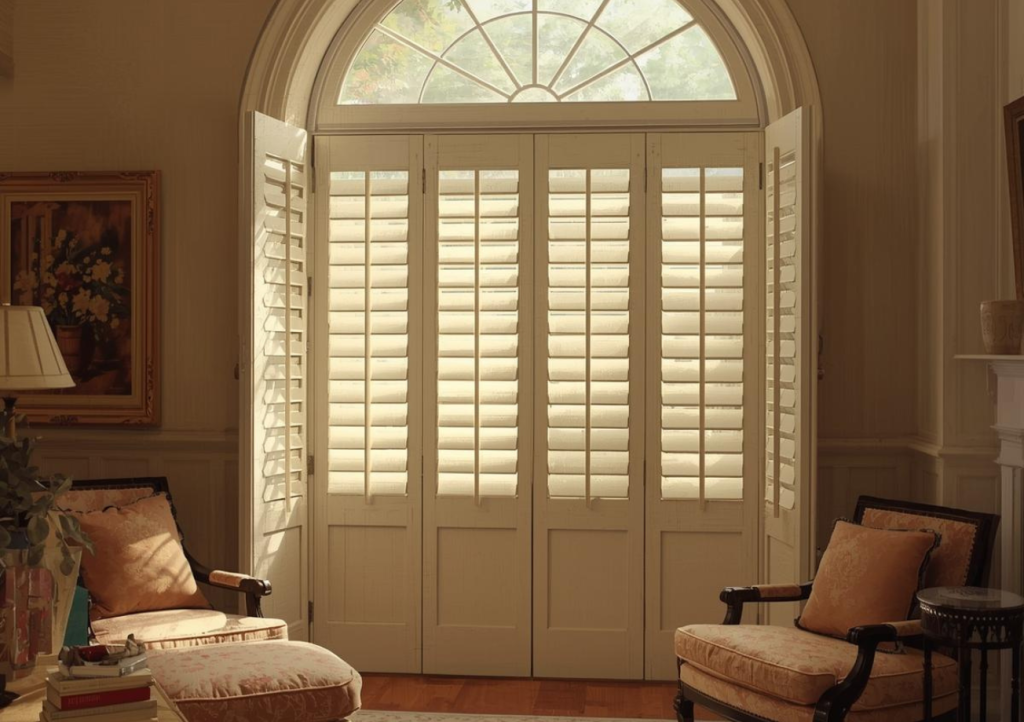
Regular dusting with a microfiber cloth or vacuum with a brush attachment keeps plantation shutters looking fresh, while periodic deep cleaning with a damp cloth and mild soap solution works well for poly or faux wood materials. For wood shutters, use a wood-specific cleaner to protect the finish and prevent moisture damage. Always avoid excessive water, especially on real wood shutters, and dry immediately to prevent warping or discoloration—particularly important in Long Island’s humid summer months and coastal environments.
Understanding Your Shutter Material Before Cleaning
Before you begin any cleaning routine, identify whether your plantation shutters are real wood, faux wood (poly or composite), or vinyl. This distinction matters significantly, especially for Long Island homeowners dealing with humidity, salt air, and coastal conditions. Real wood shutters in waterfront properties from the Hamptons to the North Shore require gentler care and minimal moisture exposure, while faux wood and vinyl shutters in bathrooms, kitchens, or beach houses can tolerate more aggressive cleaning methods.
Nassau County homes in communities like Garden City, Manhasset, and Old Westbury often feature painted wood shutters that complement traditional colonial and estate architecture. Suffolk County waterfront properties in Huntington, Northport, and the Hamptons frequently install moisture-resistant poly shutters specifically designed to withstand humidity and salt air without warping or deteriorating.
Weekly Maintenance: Preventing Dust Buildup
The easiest way to maintain plantation shutters is preventing dust accumulation through weekly maintenance. Close the louvers completely in one direction, then wipe from top to bottom with a dry microfiber cloth or duster. Flip the louvers to the opposite direction and repeat. This simple routine takes just minutes per window but prevents the stubborn buildup that requires deep cleaning.
For hard-to-reach shutters on bay windows, picture windows, or second-story installations common in Long Island ranch homes and colonials, use an extendable duster or your vacuum’s brush attachment on low suction. This approach works particularly well during pollen season (spring) and when dealing with dust from nearby construction—increasingly common in developing Suffolk County communities like Commack, Hauppauge, and Patchogue.
Long Island’s coastal environment means airborne salt particles can accumulate on shutters, especially in waterfront communities like Sag Harbor, Montauk, Southold, and Greenport. Weekly dusting prevents this salt residue from bonding to shutter surfaces and causing long-term damage to hardware and finishes.
Monthly Deep Cleaning for Poly and Faux Wood Shutters
Once monthly, or when you notice fingerprints, smudges, or stubborn dust, faux wood and poly shutters benefit from damp cleaning. Mix a few drops of mild dish soap or all-purpose cleaner in a bowl of warm water. Dampen—don’t soak—a microfiber cloth in the solution, wring it thoroughly, then wipe each louver individually. Follow immediately with a dry cloth to prevent water spots and streaking.
For kitchen shutters dealing with cooking grease or bathroom shutters exposed to humidity and product buildup, you may need a slightly stronger solution. A mixture of equal parts white vinegar and water cuts through grease effectively without damaging poly materials. This approach works exceptionally well for homes throughout Nassau and Suffolk Counties where cooking and entertaining are frequent activities.
Pay special attention to the frame, hinges, and tilt rod mechanism where dust and grime accumulate. Use a cotton swab dampened with your cleaning solution to reach crevices and around hardware. For waterfront properties, inspect hardware regularly for signs of corrosion from salt air exposure and address any issues promptly.
Caring for Real Wood Shutters
Genuine wood plantation shutters—popular in historic estates throughout Oyster Bay, Locust Valley, Glen Cove, and the Gold Coast—require more delicate care. Use only wood-specific cleaners or furniture polish designed for painted or stained wood. Apply a small amount to your microfiber cloth (never spray directly on the shutters) and wipe gently along the grain.
Minimize moisture exposure on wood shutters, as Long Island’s humidity fluctuations can cause warping, cracking, or finish damage. Never use excessive water, vinegar solutions, or harsh chemicals. If your wood shutters are in particularly humid environments—bathrooms, kitchens, or rooms without proper climate control—consider the superior moisture resistance of faux wood alternatives for future replacements.
Addressing Long Island-Specific Challenges
Salt air exposure in beach communities and waterfront properties from Bay Shore to Southampton requires additional vigilance. Every few months, wipe down all hardware, hinges, and tilt mechanisms with a slightly damp cloth to remove salt deposits that cause corrosion. Apply a small amount of silicone lubricant to moving parts to maintain smooth operation and prevent salt-related damage.
During nor’easters and hurricanes, water may infiltrate around windows. Inspect shutters immediately after storms for moisture intrusion and dry thoroughly to prevent mold, mildew, or wood damage. Homes with south and west-facing windows experience intense UV exposure that can fade finishes over time—regular cleaning helps you monitor finish condition and address fading before it becomes severe.
Pollen accumulation during spring months creates yellow-green film on shutters, particularly noticeable on white or light-colored materials. During peak pollen season (typically April through early June), increase cleaning frequency to prevent pollen from bonding to surfaces and becoming difficult to remove.
When to Call the Professionals
While routine cleaning is straightforward, certain situations warrant professional attention. If you notice warping, damaged louvers, malfunctioning tilt mechanisms, or hardware corrosion beyond simple cleaning, contact specialists who understand Long Island’s unique environmental challenges. Professional evaluation can determine whether repair or replacement makes better financial sense.
Keep Your Shutters Beautiful Year-Round
Proper cleaning and maintenance extend the life of your plantation shutters while keeping them looking showroom-fresh. Whether you’re maintaining classic wood shutters in a Roslyn colonial or moisture-resistant poly shutters in a Bridgehampton beach house, consistent care protects your investment and preserves your home’s aesthetic.
Long Island Custom Blinds offers expert guidance on shutter selection, installation, and maintenance throughout Nassau and Suffolk Counties. Our team understands the specific challenges Long Island homeowners face—from salt air and humidity to intense summer sun—and can recommend materials and care routines perfectly suited to your environment. Contact us today at longislandcustomblinds.com for a free consultation, or visit our showroom to explore shutter options designed specifically for Long Island living. Let us help you find window treatments that combine beauty, durability, and easy maintenance for years of enjoyment.