Bathrooms and kitchens create challenging environments for window treatments with steam from showers, cooking moisture, and occasional splashes threatening to warp, discolor, or damage many materials. Choosing products specifically engineered to handle humidity prevents costly replacements and ensures your treatments maintain appearance and function despite constant moisture exposure.
The Short Answer: Specialized Moisture-Resistant Products
Long Island Custom Blinds offers extensive moisture-resistant options designed specifically for humid environments. We carry faux wood blinds, vinyl roller shades, and specialty fabrics engineered to handle humidity and everyday splashes in bathrooms, laundry rooms, and busy kitchens.
These aren’t standard products marketed as moisture-resistant—they’re materials and constructions specifically manufactured to resist warping, mildew, discoloration, and deterioration even with regular exposure to steam and moisture. During consultation, we identify which rooms need moisture-resistant solutions and recommend appropriate products for each space.
Why Moisture Resistance Matters
Standard window treatments suffer predictable damage when exposed to regular moisture and humidity.
Wood blinds absorb moisture causing slats to warp, expand, and eventually crack. Once warped, they won’t close properly and create unsightly gaps. Fabric shades develop mildew, mold, and permanent staining when exposed to steam repeatedly. Standard cellular shades trap moisture in their honeycomb structure, creating perfect conditions for mold growth you can’t even see or clean.
Metal components rust when exposed to humidity, leaving stains on surrounding surfaces and compromising operation. Adhesives and mounting hardware deteriorate faster in moist environments, leading to treatments falling or sagging. Paint and stains on wood products bubble, peel, or discolor from moisture exposure.
The financial impact extends beyond replacement costs. Moldy or mildewed treatments create health concerns, especially for family members with allergies or respiratory sensitivities. Water-damaged treatments look terrible, undermining your investment in home aesthetics.
Moisture-resistant products avoid these problems entirely through material selection and engineering designed specifically for humid environments.
Faux Wood Blinds: Top Choice for Wet Areas
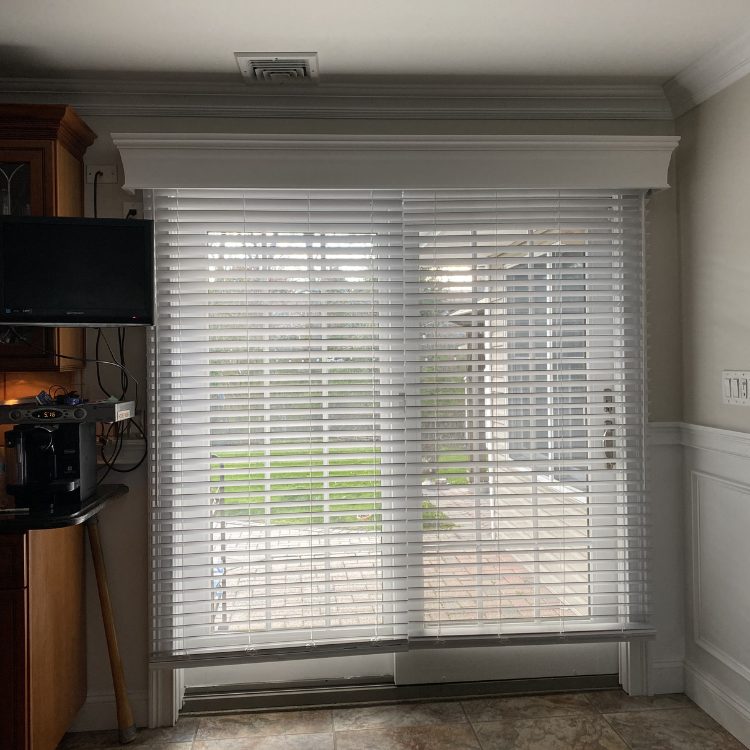
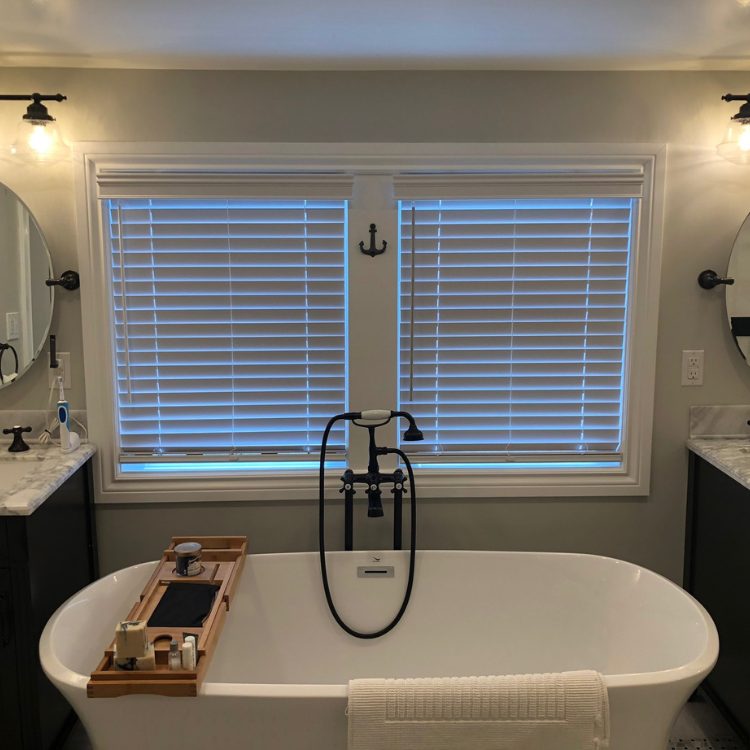
Faux wood blinds represent the most popular moisture-resistant option for bathrooms and kitchens, combining practicality with attractive appearance.
These blinds are constructed from composite materials or polymer that look remarkably like real wood but won’t absorb moisture. They maintain their shape and appearance even with direct steam exposure or occasional splashes. The slats won’t warp, swell, or crack regardless of humidity levels, and they clean easily with a damp cloth.
Faux wood advantages in moisture-prone areas:
They’re completely waterproof unlike real wood, resist mildew and mold growth, maintain appearance for years despite humidity, offer adjustable slats for precise light and privacy control, and come in various colors matching cabinetry and fixtures. The materials also resist discoloration from moisture, maintaining their finish even in bathrooms with poor ventilation.
Many homeowners initially prefer real wood aesthetics but switch to faux wood after understanding the practical benefits. Modern faux wood products look so convincing that guests rarely notice the difference, while you enjoy peace of mind knowing your treatments won’t deteriorate from moisture.
Moisture-Resistant Shades and Fabrics
Beyond blinds, several shade types work well in humid environments when manufactured with appropriate materials.
Vinyl roller shades provide excellent moisture resistance with smooth, nonporous surfaces that don’t absorb humidity. These shades clean easily, resist mildew completely, and offer various opacity levels from sheer to blackout. Their simple design suits modern aesthetics while providing practical function in wet areas.
Outdoor fabric shades designed for exterior use naturally excel indoors around moisture. These fabrics resist fading, mildew, and water damage while offering sophisticated appearance appropriate for interior spaces. They work particularly well in steamy bathrooms or kitchens with high cooking moisture.
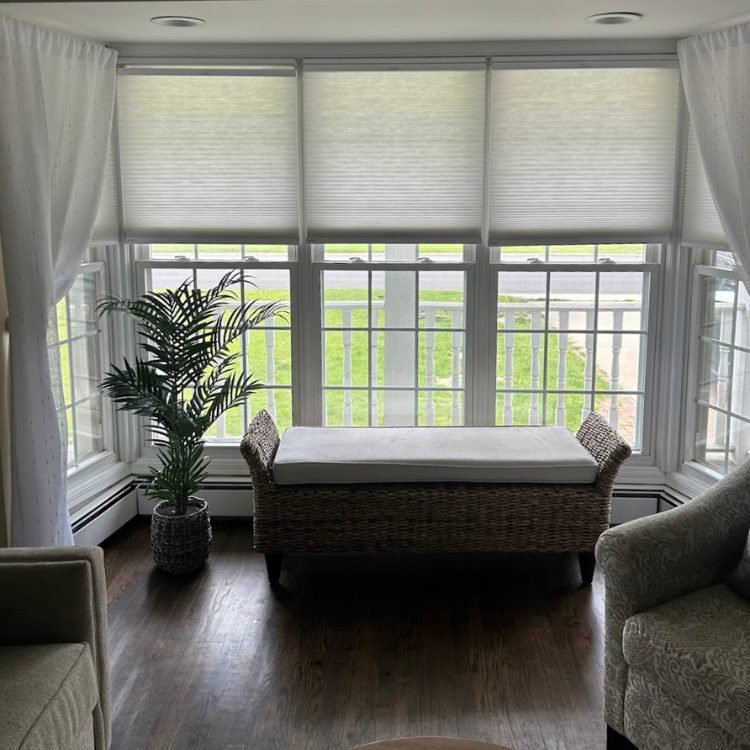
Certain cellular shades now feature moisture-resistant fabrics and coatings that prevent mold growth while maintaining the energy efficiency cellular construction provides. These specialized products cost more than standard cellular shades but deliver their insulating benefits even in bathrooms.
The key is selecting fabrics and materials specifically rated for moisture exposure rather than assuming any shade will work in humid environments.
What to Avoid in Humid Environments
Understanding which products fail in moisture helps prevent expensive mistakes.
Never use in bathrooms or steamy kitchens: Real wood blinds that absorb moisture and warp quickly, fabric Roman shades unless specifically rated moisture-resistant, standard cellular shades that trap moisture and grow mold, untreated fabric drapery that develops mildew, and natural fiber woven wood shades that deteriorate from humidity.
Metal blinds might seem moisture-proof, but aluminum and steel both corrode in humid environments. While they resist warping, rust stains and deteriorating operation make them poor choices for bathrooms despite initial appearance of suitability.
Room-Specific Recommendations
Different moisture levels require different approaches.
Full bathrooms with showers or tubs generate significant steam requiring maximum moisture resistance. Faux wood blinds provide the most reliable solution, operating smoothly despite regular steam exposure. Vinyl roller shades offer modern alternatives with complete waterproof properties.
Powder rooms with sinks but no showers face less extreme moisture and can accommodate wider product range. While faux wood remains excellent, these spaces sometimes allow moisture-resistant fabric shades that wouldn’t survive full bathroom conditions.
Kitchens deal with cooking steam, grease, and temperature fluctuations. Faux wood blinds handle these conditions excellently and clean easily when cooking residue accumulates. Solar shades with moisture-resistant fabrics provide alternatives that filter light while resisting humidity and cleaning easily.
Laundry rooms combine heat, moisture from dryers, and potential water exposure. Faux wood blinds again prove most practical, resisting humidity while tolerating occasional detergent splashes or moisture from wet clothes.
Red Flags: Products Marketed Incorrectly
Some companies misrepresent standard products as moisture-appropriate to make sales.
Warning signs include: Claims that any wood blinds work fine “if you just wipe them down,” suggesting standard fabric shades are “basically moisture-resistant,” promoting metal blinds without discussing rust potential, or inability to explain specifically what makes products moisture-resistant.
Quality providers clearly distinguish between truly moisture-resistant products and those requiring dry environments. We explain exactly why recommended products suit humid conditions rather than making vague claims.
Maintenance for Moisture-Prone Areas
Even moisture-resistant treatments benefit from appropriate care.
Wipe faux wood blinds monthly with damp cloth to remove any residue before it accumulates. Run bathroom exhaust fans during and after showers to minimize steam exposure. Keep windows slightly open when possible to improve ventilation. Clean vinyl shades regularly to prevent soap scum buildup in bathrooms.
Proper ventilation significantly extends the life of any window treatment, even moisture-resistant options. The less time treatments spend in steamy environments, the better they maintain appearance and function.
Bottom Line: Specialized Products Prevent Moisture Damage
Long Island Custom Blinds provides truly moisture-resistant window treatments engineered for humid environments rather than standard products incorrectly marketed as suitable for wet areas.
Our moisture-resistant options:
- Faux wood blinds completely waterproof and warp-resistant
- Vinyl roller shades with nonporous surfaces
- Outdoor-rated fabrics for extreme moisture resistance
- Specialized cellular shades with moisture protection
- Easy-clean surfaces for bathrooms and kitchens
Don’t risk standard products in humid areas hoping they’ll survive. Invest in appropriate moisture-resistant solutions that maintain appearance and function despite steam, splashes, and everyday humidity.
Next Steps: Protect Your Investment
Ready for window treatments that handle moisture properly?
- Schedule your free consultation to assess humid areas
- Discuss moisture levels in bathrooms, kitchens, and laundry rooms
- See moisture-resistant product samples
- Choose solutions engineered for your environment
Visit longislandcustomblinds.com or call directly. We’ll recommend truly moisture-resistant products for bathrooms, laundry rooms, and kitchens—treatments that maintain beauty and function despite humidity and splashes.