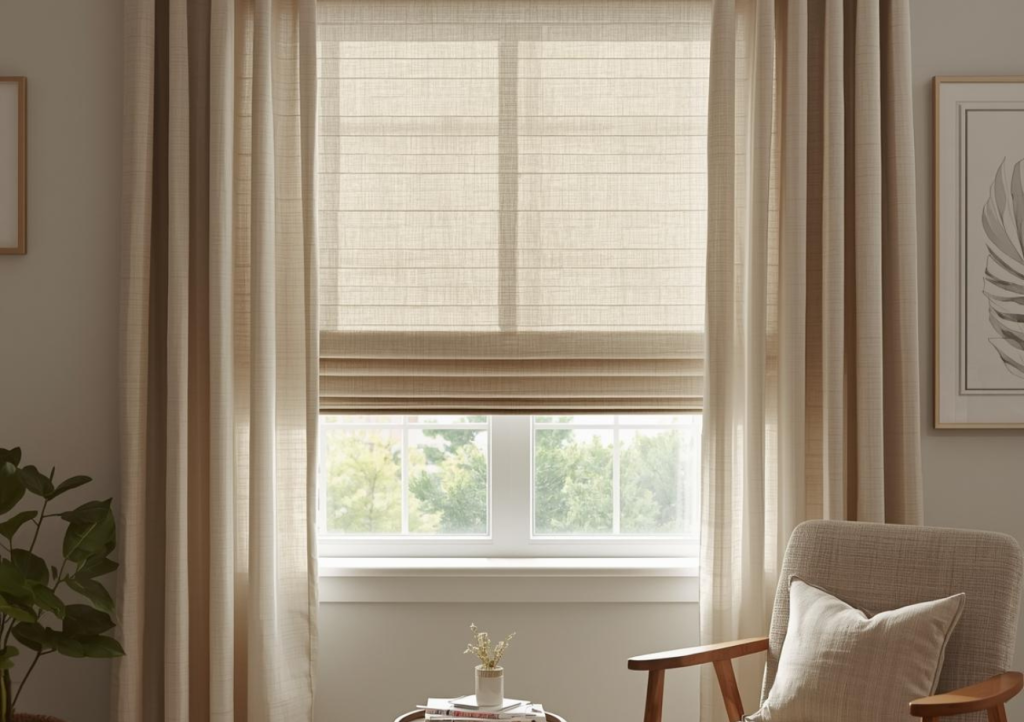
Yes, the right window treatments can dramatically reduce sun bleaching in south-facing rooms. Solar shades with UV-blocking fabric, cellular shades with UV protection, exterior shutters, and interior plantation shutters with UV-resistant finishes all filter harmful ultraviolet rays that cause fading. Light-filtering and blackout options provide even stronger protection while maintaining your view or privacy needs.
Why South-Facing Windows Cause the Most Fading Damage on Long Island
South-facing windows receive the most intense and prolonged sun exposure throughout the day, making them the primary culprit for furniture, flooring, and artwork fading. On Long Island, this challenge intensifies during summer months when the sun’s angle is high and daylight hours extend from before 5:30 AM to after 8:00 PM. The combination of direct UV rays, visible light, and solar heat creates a triple threat that breaks down the chemical bonds in fabrics, wood finishes, carpet dyes, and upholstery materials.
Communities across Nassau County and Suffolk County—from waterfront homes in the Hamptons to historic estates in Old Westbury and Locust Valley—face particularly acute sun damage. Homes with large picture windows common in mid-century ranch designs or expansive glass installations in newer construction experience even faster deterioration of interior furnishings. Without proper UV protection, hardwood floors can develop uneven coloring within months, leather furniture can dry and crack, and valuable artwork can lose its vibrancy permanently.
How Window Treatments Block UV Rays and Prevent Fading
Quality window treatments don’t just reduce light—they specifically filter or block the ultraviolet spectrum responsible for approximately 40-60% of fading damage. Solar shades use specially engineered fabrics that allow visible light to pass through while blocking UV rays, maintaining your view while protecting your investments. These shades come with openness factors ranging from 1% to 14%, with lower percentages blocking more UV radiation.
Cellular or honeycomb shades with UV-protective fabrics create an insulating barrier that not only blocks harmful rays but also reduces heat gain—a double benefit for Long Island homes where summer air conditioning costs can skyrocket. The honeycomb structure traps air within cells, preventing solar heat from entering your home while the fabric itself filters UV light.
Plantation shutters offer adjustable louvers that let you control light direction throughout the day. When closed, quality shutters with UV-resistant finishes block up to 99% of UV rays. When partially open, they can deflect direct sunlight toward ceilings rather than onto your floors and furniture, providing ambient light without concentrated sun exposure.
Best Window Treatment Options for Maximum Sun Protection
Solar Shades with High UV Blocking: These specialized roller shades come in openness factors from 1% (maximum protection, minimal view) to 14% (moderate protection, clear view). For south-facing rooms in Garden City, Manhasset, Huntington, or Smithtown homes, 3-5% openness provides excellent UV blocking while maintaining some outward visibility. Darker colors absorb more heat and light, while lighter colors reflect solar energy away from windows.
Dual Shades and Layered Systems: Combining sheer solar shades with blackout or room-darkening shades gives you ultimate flexibility. During the day, lower the solar shade for UV protection and view; in the evening or during peak sun hours, add the room-darkening layer for complete protection and privacy. This solution works particularly well for Hamptons beach houses and North Fork waterfront properties where residents want to preserve water views while protecting expensive furnishings.
Cellular Shades with UV-Blocking Fabric: These energy-efficient shades provide substantial UV protection—typically blocking 95-99% of harmful rays when fully closed. Single-cell designs work well for moderate climates, but Long Island homeowners benefit from double-cell or triple-cell construction that provides superior insulation during both summer heat and winter cold. Top-down/bottom-up operation allows light from above while protecting furniture below.
Exterior Solutions: When possible, exterior shutters, awnings, or solar screens provide the most effective sun protection by blocking rays before they enter your home. This approach prevents heat gain and UV damage simultaneously, reducing cooling costs by up to 25% in summer months. Coastal and waterfront properties should choose marine-grade materials resistant to salt air corrosion.
Material Considerations for Long Island’s Climate
Long Island’s humid summers and salt air exposure in coastal communities from Montauge to Sag Harbor require careful material selection. Faux wood blinds and shutters resist warping and moisture damage better than real wood while still offering UV protection when closed. UV-resistant vinyl and aluminum blinds work well in beach houses where salt air would corrode traditional materials.
For fabric shades, choose polyester or acrylic materials specifically treated for UV resistance. These synthetic fabrics don’t fade themselves and maintain their protective qualities longer than untreated natural fibers. In high-humidity areas like bathrooms adjacent to south-facing windows, moisture-resistant cellular shades or waterproof roller shades prevent mold growth while still blocking UV rays.
Strategic Placement and Usage Tips
Install window treatments as close to the glass as possible with inside mounting to minimize gaps where UV rays can enter. Side channels on roller shades and cellular shades eliminate light gaps at edges, providing comprehensive coverage for valuable hardwood floors in living rooms and dining rooms.
For maximum protection during peak sun hours (typically 11 AM to 4 PM on Long Island), close or lower treatments completely. During morning and evening hours when sun angles are lower, you can adjust treatments to allow indirect natural light while maintaining protection.
Consider motorized window treatments for south-facing rooms with multiple windows or hard-to-reach installations. Programmable motorization allows you to schedule shades to close automatically during peak UV hours, protecting your home even when you’re away. Smart home integration works especially well for vacation properties in the Hamptons or second homes where remote operation provides peace of mind.
Additional UV Protection Strategies
Combine window treatments with UV-blocking window film for comprehensive protection, especially on fixed windows or specialty shapes like arches and circles where treatments are challenging to install. Film blocks up to 99% of UV rays while remaining virtually invisible and works well underneath decorative treatments like draperies or valances.
Arrange furniture thoughtfully by keeping valuable or fade-sensitive pieces away from direct sun paths. Rotate area rugs and artwork periodically to ensure even exposure. Use UV-protective furniture polish and floor finishes that contain sunscreen ingredients for added protection beyond window treatments.
Long-Term Value and Professional Installation
Quality UV-blocking window treatments represent an investment that pays dividends by protecting much more expensive furniture, flooring, and artwork. A $2,000 investment in cellular shades or plantation shutters for a south-facing living room can protect $20,000 worth of hardwood flooring, upholstery, and furnishings from permanent sun damage.
Professional measurement and installation ensures treatments fit precisely without gaps that allow UV penetration. Expert installers understand how to work with Long Island’s diverse architectural styles—from classic colonials in Rockville Centre to contemporary beach houses in Bridgehampton—ensuring both aesthetic appeal and functional sun protection.
Schedule Your UV Protection Consultation
Don’t wait until you notice fading damage to your valuable furnishings and flooring. Long Island Custom Blinds offers free in-home consultations throughout Nassau County and Suffolk County, from Port Washington to Montauk. Our design experts will assess your south-facing rooms, recommend the most effective UV-blocking solutions for your specific needs and budget, and provide professional installation that ensures maximum protection.
Contact Long Island Custom Blinds today at https://longislandcustomblinds.com to schedule your consultation and protect your home’s interior from sun damage while maintaining the natural light and views you love.