Natural Woven Shades: What to Expect

Natural woven window treatments bring organic texture and warmth to any space, but they function differently than traditional blinds or fabric shades. Understanding their unique characteristics—especially regarding privacy, light filtering, and natural color variations—ensures you select the right treatment for each room and avoid disappointment after installation.

What Natural Woven Window Treatments Are

Natural woven shades are handcrafted from organic materials including bamboo, jute, reeds, grasses, and wood. Artisans weave these materials into panels that roll up or fold like Roman shades, creating window treatments with distinctive texture and visual interest.

Unlike synthetic materials produced in controlled factory conditions, natural materials come from living plants that vary in color, thickness, and texture. Each piece of bamboo or reed brings its own character, making every shade subtly unique even when ordered from the same collection.

Common natural woven materials:

  • Bamboo: Durable, light-colored, consistent grain patterns
  • Jute: Soft texture, warm golden tones, casual aesthetic
  • Reeds and grasses: Varied textures, earthy colors, organic appearance
  • Wood: Structured look, natural grain variations, heavier weight
  • Seagrass: Smooth texture, greenish-brown tones, moisture-resistant

Privacy Reality: Understanding Light Filtering in Natural Materials

The most important expectation to set: natural woven shades without liners provide minimal privacy, especially at night when interior lights are on. The weaving process creates small gaps between individual reeds or fibers that allow light to pass through, creating a soft, filtered glow in your room.

During daylight hours, natural woven shades offer excellent privacy from outside viewers. People outside see the textured exterior of the shade, not clear silhouettes or movement inside. However, after dark, interior lighting reverses this effect. Lights inside your home make the shade appear translucent from outside, revealing general shapes and movement.

Privacy levels without liners:

  • Daytime privacy: Excellent – outsiders see only the woven material
  • Nighttime privacy: Minimal – interior lighting creates silhouette visibility
  • Light filtering: Significant – natural gaps between woven elements allow diffused light
  • Visibility outward: Limited – you see soft light and shadows but not clear views
  • UV protection: Good – natural materials block significant UV rays while filtering light

Liner Options That Transform Privacy and Light Control

Liners dramatically change how natural woven shades function, addressing privacy concerns while maintaining their organic aesthetic. Most manufacturers offer multiple liner options that attach behind the woven material, creating a dual-layer system.

Privacy liner options:

Light-filtering liners add a translucent fabric layer that diffuses light while blocking clear views from both directions. These maintain the soft, glowing ambiance that natural materials create while preventing nighttime silhouettes. You’ll still see light and shadow through the shades, but not distinct shapes or movement.

Room-darkening liners use opaque fabrics that block 95-99% of light when shades are fully closed. These transform natural woven shades into effective bedroom window treatments, combining organic style with functional darkness for sleep. Some light may still edge around the sides where the liner meets the window frame.

Blackout liners provide complete darkness by using vinyl-backed fabrics or specialty materials that block 100% of light penetration. These work best for media rooms, nurseries, or bedrooms where total light control matters more than the natural material’s light-filtering properties.

Considerations for adding liners:

  • Liners add weight and bulk to the shade, requiring stronger mounting hardware
  • Stack height increases when raising lined shades, covering more window area
  • Some liner materials may show wrinkles or bunching over time
  • Liners typically attach via clips, stitching, or magnetic systems
  • Not all natural woven materials accommodate all liner types

Color and Texture Variations: The Nature of Natural Materials

Natural woven shades will vary in color from the sample you select during consultation. This isn’t a defect—it’s an inherent characteristic of organic materials. Plants grow in different conditions, mature at different rates, and develop unique coloration based on soil, climate, and harvest timing.

A bamboo shade might show variation from warm honey tones to cooler tan shades across a single window treatment. Jute fibers may include both golden-yellow and earthy brown strands woven together. These variations add to the organic character rather than detracting from quality.

What causes natural variations:

  • Plant maturity at harvest time affects color intensity
  • Growing conditions (sun exposure, rainfall, soil composition)
  • Natural aging of plant materials before processing
  • Different parts of the same plant having varied coloration
  • Seasonal harvest differences creating subtle tone shifts
  • Hand-weaving processes that emphasize organic irregularity

Manufacturers cannot guarantee exact color matching between different production runs or even within a single large order. If covering multiple windows, expect subtle differences that become apparent when shades hang side-by-side in the same room.

Light Filtering Properties Throughout the Day

Natural woven shades excel at creating ambient lighting that changes throughout the day as sun angles shift. Morning light filters through differently than afternoon sun, creating dynamic visual interest that synthetic materials can’t replicate.

East-facing windows with natural woven shades glow warmly during morning hours, while west-facing treatments create dramatic backlighting during sunset. The organic texture casts subtle shadow patterns on walls and floors that shift as the day progresses.

Light filtering characteristics:

  • Open weaves (larger gaps) allow more light and less privacy
  • Tight weaves (minimal gaps) provide more privacy and less light penetration
  • Direct sunlight highlights the woven texture and pattern
  • Indirect light creates soft, even illumination
  • Darker natural materials filter more light than lighter colors
  • Thicker reeds or bamboo poles block more light than thin grasses

Durability and Maintenance for Natural Woven Materials

Natural materials require different care than synthetic window treatments. They’re inherently more fragile and sensitive to environmental conditions, though quality products last 7-12 years with proper maintenance.

Avoid installing natural woven shades in high-moisture environments like bathrooms or directly above kitchen sinks. Humidity causes some natural materials to swell, warp, or develop mold. Similarly, direct contact with water during cleaning can stain or damage organic fibers.

Maintenance requirements:

  • Dust regularly with a feather duster or vacuum brush attachment
  • Never use water or liquid cleaners directly on natural materials
  • Spot clean only with manufacturer-approved methods
  • Rotate motorized shades periodically to prevent uneven sun fading
  • Inspect mounting hardware annually as weight may loosen brackets over time
  • Address any fraying or loose fibers promptly to prevent further unraveling

Durability factors:

  • UV exposure gradually fades natural materials over 5-10 years
  • Frequent raising and lowering stresses hand-woven construction
  • Heavier materials like bamboo typically outlast delicate grasses
  • Professional installation prevents stress points that cause premature failure
  • Quality matters significantly—expect handcrafted products to exceed machine-made alternatives

Red Flags When Shopping for Natural Woven Shades

Avoid these warning signs that indicate lower-quality natural woven treatments:

  • Synthetic materials marketed as “natural woven” or “faux natural”
  • Uniform, perfectly consistent coloring across all samples (indicates dyed synthetics)
  • Inability to examine actual material samples before ordering
  • Promises that all shades will match exactly in color
  • Pressure to order without discussing liner options and privacy expectations
  • Installation quotes that don’t account for the additional weight of lined shades
  • Missing care and maintenance instructions for natural materials
  • Warranties shorter than 3 years on materials and construction
  • Companies that don’t explain color variation expectations upfront
  • Prices that seem unusually low for genuinely handcrafted natural materials

Bottom Line Decision Framework

Choose natural woven shades without liners when:

  • Installing in living rooms, dining rooms, or spaces where daytime privacy is sufficient
  • You want maximum light filtering and organic ambiance
  • Creating a casual, relaxed aesthetic is the primary goal
  • Privacy from neighbors or street view isn’t a significant concern
  • You’re covering windows that don’t require nighttime privacy

Add light-filtering liners when:

  • Installing in rooms visible from the street at night
  • You need nighttime privacy without complete darkness
  • Balancing natural aesthetics with functional privacy requirements
  • Reducing glare from direct sun while maintaining ambient light

Add room-darkening or blackout liners when:

  • Installing in bedrooms requiring sleep darkness
  • Covering media room windows for viewing conditions
  • Creating nurseries or children’s rooms with nap requirements
  • Addressing west-facing windows with intense afternoon sun
  • Privacy is absolutely essential at all times of day

Next Steps for Your Natural Woven Window Treatment Project

Start by evaluating each room’s privacy needs and lighting goals. Note which windows receive direct sunlight at different times of day and which rooms require nighttime privacy. Be honest about whether you’re comfortable with the organic variations inherent in natural materials.

Schedule a consultation with window treatment specialists who can show you actual material samples—not just photos. Long Island Custom Blinds provides extensive natural woven sample collections that demonstrate real color and texture variations, helping you set appropriate expectations before ordering. Their experts explain liner options specific to each material type and help you select the combination that best matches your functional needs and aesthetic preferences.

Examine samples in your actual room lighting conditions, both during the day and after dark with interior lights on. This reveals exactly how much light filters through and helps you decide whether liners are necessary. Ask about the specific materials’ durability, maintenance requirements, and expected lifespan in your particular environment. With proper expectations about privacy, color variation, and light filtering, natural woven shades deliver organic beauty and texture that transforms any space.

 

Plantation Shutters vs Wood Blinds: Which Window Treatment Is Right for Your Home?

Choosing between plantation shutters and wood blinds affects your home’s appearance, functionality, budget, and timeline for years to come. This guide breaks down the critical differences to help you make the right window treatment decision.


Style & Aesthetic Differences

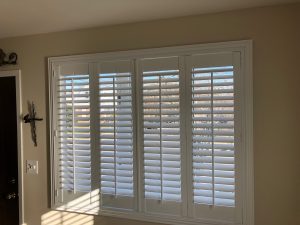
Plantation shutters feature wide louvers (typically 2.5-4.5 inches) mounted in a solid frame that becomes part of your window architecture. They create a clean, built-in look that adds permanent value to your home. Wood blinds hang from a headrail with narrower slats (1-2 inches) and visible lift cords or wands.

Key style considerations:

  • Shutters provide a more polished, architectural appearance that suits a traditional and transitional homes
  • Wood blinds offer flexibility to change window treatments without affecting trim or walls
  • Shutters work best on standard rectangular windows, while blinds adapt to various shapes including arches
  • Painted shutters in white or off-white remain the most popular choice for resale value

Light Control Capabilities

Both options control light effectively, but they function differently. Plantation shutters use a tilt rod or hidden mechanism to adjust all louvers simultaneously, creating uniform light bands across the room. When fully closed, the solid frame blocks more light at the edges compared to blinds.

Wood blinds allow slat-by-slat adjustment and can be raised completely for unobstructed views. Their lighter weight and smaller slats make partial adjustments easier throughout the day.

Light control comparison:

  • Shutters excel at complete room darkening when paired with blackout frames
  • Blinds provide more incremental light adjustment options
  • Shutters eliminate the “light gap” at the top that blinds create when tilted
  • Blinds stack more compactly when fully raised, maximizing daylight and views

Cost Comparison & Investment Considerations

Understanding the cost difference between plantation shutters and wood blinds helps set realistic expectations for your window treatment project. Plantation shutters represent a higher upfront investment compared to wood blinds, primarily due to their custom manufacturing process, premium materials, and permanent installation requirements.

Wood blinds are generally the more budget-friendly option, making them ideal for homeowners covering multiple windows or working within tighter financial constraints. However, cost should be evaluated alongside longevity and return on investment rather than upfront expense alone.

Cost factors to consider:

  • Shutters cost more initially but typically add measurable value to your home during resale
  • Blinds require lower initial investment but need replacement more frequently
  • Custom shapes, premium wood species, and specialty finishes increase costs for both options
  • Professional installation is recommended for both, though shutters involve more complex installation
  • Shutters are viewed as permanent home improvements, while blinds are considered decorative purchases

Long-Term Value & Return on Investment

When comparing total cost of ownership, plantation shutters often prove more economical over time despite their higher initial price point. Their durability means you’ll likely install them once and enjoy them for 15-20 years, whereas wood blinds typically need replacement after 7-10 years.

Real estate professionals consistently note that quality shutters can return a significant portion of their investment when selling your home, as buyers view them as built-in architectural features. Wood blinds don’t typically contribute to home value in the same way, though they serve their functional purpose well during your ownership.

Lead Time & Installation Timeline

Lead times differ significantly due to manufacturing complexity. Custom plantation shutters require 4-8 weeks from measurement to installation because each unit is built to your exact window specifications. Rush orders may reduce this to 3-4 weeks with premium charges.

Wood blinds ship in 1-3 weeks for standard sizes and 2-4 weeks for custom dimensions. 

Timeline planning factors:

  • Schedule shutter measurements 6-10 weeks before you need them installed
  • Blinds work better for quick-turnaround projects or rental properties
  • Both require professional measurement for optimal fit and function
  • Installation takes 2-4 hours for shutters per room versus 30-60 minutes for blinds

Durability & Maintenance Requirements

Plantation shutters constructed from hardwoods or composite materials withstand daily use better than wood blinds. Their solid frames protect the louver mechanisms from damage, and there are no cords or chains to break or tangle.

Wood blinds use thinner slats that can warp in humid conditions or break if handled roughly. Lift mechanisms and tilt wands require periodic replacement, adding to long-term ownership costs.

Maintenance comparison:

  • Shutters need only occasional dusting and yearly deep cleaning
  • Blinds accumulate dust between slats, requiring more frequent detailed cleaning
  • Shutter repairs typically involve adjusting louver pins, which homeowners can do
  • Blind repairs often require replacement of entire sections or lift systems

Red Flags When Shopping

Avoid these common warning signs when selecting window treatments:

  • Contractors who don’t measure windows professionally before providing recommendations
  • Pressure to decide immediately without taking measurements or samples home
  • Warranties shorter than 3-5 years on wood shutters
  • Blinds made from unnamed wood species or “wood composite” without specifics
  • Installation timelines that seem unrealistically short for custom work
  • Companies that can’t provide physical samples or portfolio examples
  • Lack of clear written agreements detailing materials, timeline, and total investment
  • Quotes that don’t explain what factors affect the final cost

Bottom Line Decision Framework

Choose plantation shutters when:

  • You plan to stay in your home 5+ years and want the best long-term value
  • Resale value and permanent improvements matter to you
  • You want minimal maintenance and maximum durability
  • Your windows are standard rectangular shapes
  • Timeline allows for the custom manufacturing process
  • Budget accommodates a higher initial investment for better ROI

Choose wood blinds when:

  • You need window treatments quickly (under 4 weeks)
  • Initial budget is a primary concern for your project
  • You prefer flexibility to change styles later
  • You’re treating rental property or temporary housing
  • Windows have unusual shapes that make shutters impractical
  • You anticipate redecorating or changing your interior style frequently

Next Steps for Your Window Treatment Project

Start by measuring your windows and identifying which rooms require the most light control versus aesthetic impact. Schedule in-home consultations with qualified window treatment specialists who offer both options. Long Island Custom Blinds provides professional measurement services and expert guidance on which solution best fits your specific needs, timeline, functional requirements, and budget.

Request samples of both shutters and blinds in your preferred colors to see how they look with your existing décor. Ask for detailed written quotes that itemize materials, labor, lead times, warranty coverage, and payment terms. Understanding the complete investment—both upfront and over time—ensures you select the window treatment that delivers the best value for your home and lifestyle.


Top Window Treatment Trends: What’s In, What’s Out, and What Works on Long Island

The world of window treatments is constantly evolving, driven by advances in technology, changing lifestyle needs, and shifting design preferences. What looked cutting-edge five years ago might feel dated today, while emerging trends promise to reshape how we think about privacy, light control, and home aesthetics.

For Long Island homeowners, staying current with window treatment trends involves balancing national design movements with regional preferences and practical considerations. The key is identifying trends that enhance both your home’s value and your daily living experience, rather than following every fad.

What’s In: Current Window Treatment Trends Taking Hold

Motorized and Smart Window Treatments

The smart home revolution has reached window treatments in a big way. Motorized blinds and shades that integrate with home automation systems are no longer luxury items—they’re becoming standard expectations for modern homes.

Key Features Driving Adoption:

  • Voice control through Alexa, Google Assistant, and Siri
  • Smartphone apps for remote operation
  • Scheduling capabilities for automatic daily routines
  • Integration with lighting and security systems
  • Battery-powered options eliminate hardwiring needs

Long Island Appeal: Busy lifestyles and larger homes make motorized treatments particularly practical. The convenience factor resonates with professionals who appreciate automated morning and evening routines.

Cordless Safety-First Design

Safety concerns, particularly in homes with children and pets, have made cordless window treatments the new standard. This trend goes beyond basic safety to encompass cleaner aesthetics and easier operation.

Popular Cordless Options:

  • Top-down/bottom-up cellular shades
  • Cordless roller shades with spring mechanisms
  • Wand-controlled blinds instead of traditional cords
  • Motorized systems eliminate manual operation entirely

Regulatory Impact: New safety regulations are accelerating this trend, making cordless options increasingly standard rather than premium upgrades.

Natural Materials and Sustainable Options

Environmental consciousness is driving demand for window treatments made from sustainable, natural materials. Consumers are increasingly interested in the environmental impact of their home improvement choices.

Trending Materials:

  • Bamboo and woven wood shades
  • Organic cotton and linen fabrics
  • Reclaimed wood shutters and blinds
  • Recycled aluminum in metallic blinds
  • Low-VOC finishes and treatments

Long Island Connection: Environmental awareness is particularly strong in Long Island communities, making sustainable options appealing to environmentally conscious homeowners.

Layered Window Treatment Systems

The trend toward layered treatments provides maximum flexibility for light control, privacy, and seasonal adaptation. This approach recognizes that different situations require different solutions.

Popular Combinations:

  • Cellular shades with decorative side panels
  • Solar shades layered with blackout roller shades
  • Shutters paired with soft fabric valances
  • Sheer panels behind heavier drapery
  • Blinds combined with top treatments

Functional Benefits: Long Island’s varied seasonal conditions make layered systems particularly practical for year-round comfort.

Bold Colors and Patterns Making a Statement

After years of neutral dominance, homeowners are embracing window treatments as opportunities for bold design statements. This trend reflects increased confidence in using window treatments as room focal points.

Trending Approaches:

  • Rich jewel tones in cellular shades
  • Geometric patterns in roller shades
  • Two-tone combinations in blinds
  • Textural fabrics add visual interest
  • Custom printing for truly unique designs

Design Integration: The key is balancing bold treatments with room décor to create cohesion rather than competition.

What’s Out: Fading Window Treatment Trends

Heavy, Formal Drapery Panels

Traditional heavy drapery with formal swags and valances feels outdated in today’s casual living environments. The trend toward simplified, functional beauty has made these formal treatments less desirable.

Why They’re Fading:

  • High maintenance requirements
  • Dust accumulation issues
  • Overwhelming visual weight in modern spaces
  • Difficult cleaning and care needs

Modern Alternatives: Simple panels, clean-lined Roman shades, or sleek roller treatments provide sophistication without formality.

Vertical Blinds in Residential Settings

Once popular for patio doors and large windows, vertical blinds are increasingly seen as dated and institutional. Their association with office environments has hurt their residential appeal.

Replacement Options:

  • Panel track systems with fabric panels
  • Sliding shutters for wide openings
  • Large-cell cellular shades for patio doors
  • Motorized roller shades in extra-wide configurations

Mini Blinds in Basic Colors

Standard 1-inch aluminum mini blinds in basic white or beige feel generic and builder-grade. Homeowners are seeking more sophisticated alternatives that add personality to their spaces.

Upgraded Alternatives:

  • Wood or faux wood blinds with wider slats
  • Colored aluminum blinds with modern finishes
  • Textured roller shades for clean lines
  • Cellular shades for better insulation and appearance

Busy Patterns and Excessive Detailing

Overly complex patterns and decorative elements that compete with room furnishings are falling out of favor. The trend toward cleaner, more minimalist design affects window treatment preferences.

Simpler Approaches:

  • Solid colors with subtle textures
  • Simple geometric patterns
  • Natural material variations provide interest
  • Clean lines without excessive trim or hardware

Emerging Trends to Watch

Wellness-Focused Features

Window treatments that support health and wellness are gaining attention as homeowners recognize the connection between their environment and well-being.

Health-Supporting Features:

  • Circadian rhythm lighting control
  • Air-purifying fabric treatments
  • Noise reduction for better sleep
  • Blue light filtering for screen protection
  • Natural material choices reduce allergens

Integrated Technology Beyond Motorization

Smart features are evolving beyond basic motorization to include advanced functionality that integrates with broader home systems.

Advanced Features:

  • Sensors that adjust treatments based on sunlight intensity
  • Weather-responsive automated adjustments
  • Energy monitoring and optimization
  • Integration with HVAC systems for efficiency
  • Security system coordination

Customization and Personalization

Mass customization technology is making truly personalized window treatments more accessible and affordable.

Personalization Options:

  • Custom printing with family photos or artwork
  • Unique color combinations not available in standard lines
  • Sizing for unusual window shapes and configurations
  • Hardware finishes matched to existing home details

Long Island-Specific Trend Considerations

Hurricane and Storm Preparedness

Long Island’s exposure to severe weather makes storm-resistant features increasingly important in window treatment selection.

Storm-Ready Features:

  • Reinforced mounting systems
  • Impact-resistant materials
  • Quick-release mechanisms for storm preparation
  • Treatments that don’t interfere with storm shutters
  • Corrosion-resistant hardware for coastal conditions

Coastal Living Adaptations

Long Island’s coastal environment influences material choices and design preferences for window treatments.

Coastal-Appropriate Choices:

  • Salt-air resistant materials and finishes
  • Fade-resistant fabrics for intense sunlight exposure
  • Moisture-resistant options for humid conditions
  • Easy-clean surfaces for sand and salt residue
  • UV protection for furniture and flooring

Energy Efficiency Focus

Long Island’s energy costs and seasonal temperature variations make energy-efficient window treatments particularly valuable.

Energy-Smart Trends:

  • Triple-cell cellular shades for maximum insulation
  • Reflective backing on roller shades
  • Automated seasonal adjustment programs
  • Integration with smart thermostats
  • Low-E coatings for enhanced thermal performance

Seasonal Trend Adaptations

Summer Comfort Priorities

Long Island summers drive demand for treatments that manage heat and glare while maintaining views and natural light.

Summer-Focused Features:

  • Solar shades with low openness factors
  • Light-colored treatments reflecting heat
  • Top-down operation preserving views while blocking the sun
  • Motorized adjustment for optimal comfort throughout the day

Winter Insulation Needs

Cold Long Island winters highlight the importance of insulating window treatments that reduce energy costs and improve comfort.

Winter-Ready Options:

  • Cellular shades with maximum R-value
  • Layered systems combining insulation with style
  • Treatments that seal against drafts
  • Automated closure during coldest periods

Design Style Integration Trends

Modern Farmhouse Influence

The enduring popularity of modern farmhouse style affects window treatment choices throughout Long Island’s diverse architectural landscape.

Farmhouse-Appropriate Treatments:

  • Natural wood blinds and shutters
  • Linen and cotton Roman shades
  • Simple, unpretentious hardware finishes
  • Neutral colors with subtle texture variations

Contemporary Minimalism

Clean, uncluttered aesthetics drive demand for window treatments that provide function without visual complexity.

Minimalist Preferences:

  • Roller shades in architectural whites
  • Cellular shades without visible cords or hardware
  • Motorized systems eliminate manual controls
  • Large-scale treatments reducing visual fragmentation

Transitional Flexibility

Many Long Island homes blend traditional architecture with contemporary living, creating demand for versatile treatment options.

Transitional Solutions:

  • Classic styles with modern functionality
  • Neutral colors that work with evolving décor
  • Timeless materials like wood and quality fabrics
  • Hardware that bridges traditional and contemporary styles

Technology Integration Trends

Voice Control Adoption

Smart speakers and voice assistants are driving demand for voice-controlled window treatments.

Voice Control Benefits:

  • Hands-free operation while cooking or carrying items
  • Integration with morning and evening routines
  • Accessibility for mobility-limited individuals
  • Coordination with lighting and entertainment systems

App-Based Control Systems

Smartphone apps provide sophisticated control options beyond basic raise/lower functions.

Advanced App Features:

  • Individual room or zone control
  • Scheduling for different seasons and situations
  • Remote monitoring and adjustment while away
  • Energy usage tracking and optimization suggestions

Material Innovation Trends

Performance Fabric Advances

New fabric technologies are expanding options for style without sacrificing performance.

Innovative Features:

  • Stain-resistant treatments for easy maintenance
  • Antimicrobial finishes for health benefits
  • Memory fabrics that resist wrinkles and maintain shape
  • Color-fast treatments prevent fading

Hardware Evolution

Window treatment hardware is becoming more sophisticated while remaining visually minimalist.

Hardware Innovations:

  • Soft-close mechanisms prevent slamming
  • Precision-engineered components for smooth operation
  • Corrosion-resistant finishes for longevity
  • Modular systems allow easy updates

Avoiding Trend Pitfalls

Distinguishing Trends from Fads

Not every new development represents a lasting trend worth investing in for your home.

Trend Evaluation Criteria:

  • Does it solve a real problem or improve daily life?
  • Is it supported by lasting lifestyle changes?
  • Will it enhance home value or appeal to future buyers?
  • Does it align with your style and needs?

Timeless Elements to Prioritize

Focus on trends that enhance fundamental qualities rather than purely aesthetic changes.

Lasting Value Trends:

  • Safety improvements like cordless operation
  • Energy efficiency enhancements
  • Technology that genuinely improves convenience
  • Quality materials that age gracefully

Regional Adaptation Strategies

Balancing National Trends with Local Preferences

Long Island homeowners benefit from adapting national trends to regional conditions and preferences.

Local Adaptation Approach:

  • Consider the climate impact on trend viability
  • Factor in architectural styles common to the area
  • Account for local lifestyle and cultural preferences
  • Balance trendy elements with proven solutions

Investment-Worthy Trend Adoption

Some trends justify investment for their long-term benefits, while others are better appreciated through less permanent means.

High-Value Trend Investments:

  • Motorization and smart home integration
  • Energy-efficient materials and construction
  • Safety-focused cordless designs
  • Quality materials that support trending aesthetics

Making Trend-Informed Decisions

Personal Style Integration

The best trend adoption enhances your style rather than replacing it entirely.

Integration Strategies:

  • Use trending colors in easily changeable elements
  • Adopt functional improvements while maintaining preferred aesthetics
  • Layer trendy elements with timeless foundations
  • Consider which trends align with your lifestyle needs

Future-Proofing Your Investment

Choose trends that will remain relevant and valuable over the life of your window treatments.

Future-Proof Considerations:

  • Technology trends with upgrade pathways
  • Style trends with lasting appeal
  • Functional improvements with permanent benefits
  • Quality investments that age well

The window treatment landscape continues evolving, offering exciting opportunities for homeowners willing to embrace beneficial changes while avoiding fleeting fads. The key is identifying trends that genuinely improve your daily living experience while enhancing your home’s long-term value and appeal.

Ready to incorporate the latest window treatment trends into your Long Island home? Our design team at Long Island Custom Blinds stays current with emerging trends while understanding which innovations provide lasting value. We’ll help you navigate current options and identify trends that align with your style, needs, and budget. Contact us today for a free consultation and discover how trending window treatments can enhance your home’s comfort, efficiency, and appeal for years to come.


Custom Blinds vs Store-Bought: Which Option Is Best for Your Long Island Home?

The window treatment decision process involves more than just selecting styles and colors. One of the most important choices you’ll make is whether to invest in custom-made blinds and shades or opt for ready-made alternatives from retail stores. This decision impacts everything from initial cost and installation experience to long-term performance and home value.

Understanding the real differences between custom and store-bought options helps you make an informed choice that aligns with your priorities, budget, and expectations. While the upfront cost difference is obvious, the long-term value proposition involves factors that aren’t immediately apparent when comparing price tags.

The Custom Window Treatment Advantage

Custom window treatments are manufactured specifically for your windows after professional measurement and consultation. Every aspect—from materials and colors to operating mechanisms and installation hardware—is selected to meet your exact specifications and requirements.

Professional Measurement Process: Custom treatments begin with precise measurement by trained professionals who understand the nuances of window construction, wall irregularities, and installation requirements. This attention to detail ensures a perfect fit and optimal performance.

Material Quality Differences: Custom manufacturers typically use superior materials compared to mass-produced alternatives. Fabrics are often more durable, hardware is engineered for longevity, and construction methods prioritize performance over cost-cutting measures.

Manufacturing Precision: Custom treatments are built to exact specifications with quality control processes that ensure consistent results. Each piece is individually crafted rather than mass-produced, allowing for attention to detail that impacts both appearance and functionality.

Store-Bought Window Treatments: Understanding the Limitations

Ready-made blinds and shades offer the appeal of immediate availability and lower upfront costs. However, these apparent advantages come with trade-offs that become evident during installation and daily use.

Standard Sizing Constraints: Store-bought treatments are manufactured in standard increments, typically 1/8-inch or 1/4-inch variations. Even if you find a “close” size match, gaps around window edges compromise both appearance and functionality.

Limited Material Options: Retail chains focus on popular, cost-effective materials rather than offering comprehensive selections. This limitation often means settling for something close to your preference rather than getting exactly what you want.

Mass Production Quality: To maintain competitive pricing, store-bought treatments often use lower-grade materials and simplified construction methods. While this reduces costs, it also impacts durability and performance over time.

Fit and Installation: Where Differences Become Obvious

Custom Fit Precision: Professional measurement for custom treatments accounts for window irregularities, wall variations, and architectural details that affect installation. The result is treatments that look built-in rather than added-on.

Installation Complexity: Custom treatments include professional installation as part of the service. Experienced installers understand how to handle various window types, mounting surfaces, and potential complications that arise during installation.

Store-Bought Installation Challenges: DIY installation of store-bought treatments often reveals sizing issues that weren’t apparent in the store. Gaps around edges, uneven mounting, and operational problems are common when a precise fit isn’t achieved.

Hardware and Mounting Considerations: Custom installations include appropriate mounting hardware selected for your specific walls and windows. Store-bought kits often include generic hardware that may not be suitable for all installation situations.

Quality and Durability Comparison

Material Longevity: Custom treatments typically use materials selected for long-term performance rather than the lowest cost. Higher-grade fabrics resist fading and wear better, while superior hardware maintains smooth operation over years of use.

Construction Methods: Custom manufacturing allows for construction techniques that prioritize durability. Reinforced stress points, quality stitching, and proper component sizing contribute to treatments that maintain their appearance and function longer.

Warranty Coverage: Custom window treatment companies typically offer comprehensive warranties covering both materials and workmanship. This coverage often includes service calls for adjustments or repairs during the warranty period.

Store-Bought Durability Factors: Mass-produced treatments often use materials and construction methods that prioritize cost over longevity. While the initial appearance may be acceptable, premature wear, fading, and mechanical failures are more common.

Cost Analysis: Understanding True Value

Initial Investment Comparison: Custom treatments typically cost 2–3 times more than store-bought alternatives initially. However, this comparison doesn’t account for the total cost of ownership over time.

Hidden Costs of Store-Bought Options:

  • Replacement costs when premature failure occurs
  • Additional hardware is needed for proper installation
  • Professional installation fees if DIY proves problematic
  • Energy costs from poor fit and inferior insulation properties
  • Potential window or wall damage from incorrect installation

Long-Term Value Proposition: Custom treatments often last 15-20 years or more with proper care, while store-bought options may require replacement every 5-7 years. When calculated over time, the cost per year often favors custom options.

Home Value Impact: Quality window treatments are considered permanent improvements that add to home value. Custom treatments enhance this value more significantly than obviously inexpensive alternatives.

Performance and Functionality Differences

Light Control Precision: Custom treatments are engineered for optimal light control based on your specific windows and room requirements. Professional consultation ensures you get the right opacity, color, and operational features for each application.

Energy Efficiency Considerations: Proper fit is crucial for energy efficiency benefits. Gaps around store-bought options reduce insulation, while custom treatments create proper seals that contribute to energy savings.

Noise Reduction Benefits: Custom treatments, particularly cellular shades and quality blinds, provide superior noise reduction when properly fitted. The air gaps that result from poor-fitting store-bought options eliminate these benefits.

Operational Smoothness: Quality hardware and proper installation result in smooth, effortless operation that continues over years of use. Store-bought treatments often develop operational issues as components wear or installation problems manifest.

Aesthetic and Design Considerations

Style Coordination: Custom treatments offer unlimited color and pattern options, allowing perfect coordination with existing décor. Store-bought selections are limited to popular options that may not match your vision.

Proportional Appearance: Professional design consultation ensures treatments are proportionally appropriate for window size and room scale. Store-bought treatments often look either oversized or undersized due to limited sizing options.

Architectural Integration: Custom treatments can be designed to complement architectural details and enhance window features. Standard treatments often ignore these details, creating a generic appearance.

Timing and Convenience Factors

Custom Treatment Timeline: Custom orders typically require 2-4 weeks from measurement to installation. While this requires planning, the result is treatments perfectly suited to your needs.

Immediate Availability Appeal: Store-bought treatments can be purchased and installed immediately, which appeals when quick solutions are needed. However, rushed decisions often lead to compromises that become regrets.

Professional Service Benefits: Custom treatment companies provide ongoing service and support, including adjustments, repairs, and advice. This relationship continues beyond the initial installation.

Making the Right Choice for Your Situation

Choose Custom When:

  • Long-term home ownership is planned
  • Quality and durability are priorities
  • Perfect fit and optimal performance matter
  • The budget allows for a higher initial investment
  • Professional appearance is important
  • Energy efficiency benefits are desired

Consider Store-Bought When:

  • A temporary housing situation exists
  • Budget constraints are significant
  • Standard window sizes provide an acceptable fit
  • Basic functionality meets needs
  • Quick installation is required

Long Island-Specific Considerations

Climate Impact: Long Island’s varied seasonal conditions benefit from the superior insulation and weather resistance of custom treatments. The energy savings can be significant over time.

Home Value Considerations: Long Island’s competitive real estate market rewards quality improvements. Custom treatments contribute more significantly to home value and appeal to discerning buyers.

Local Service Advantages: Working with local custom treatment providers ensures ongoing service availability and familiarity with area homes and architectural styles.

Questions to Ask Before Deciding

Consider your priorities and circumstances:

  • How long do you plan to stay in your current home?
  • What’s your total budget for window treatments?
  • How important are perfect fit and optimal performance?
  • Do you have standard-sized windows or unusual shapes/sizes?
  • Are energy efficiency benefits important to you?
  • Do you prefer professional installation and service?

Making an Informed Investment

The choice between custom and store-bought window treatments ultimately depends on your priorities, budget, and expectations. While store-bought options serve immediate needs at lower upfront costs, custom treatments provide superior performance, longevity, and value over time.

Consider the total cost of ownership, including replacement needs, energy impacts, and home value effects when making your decision. For most Long Island homeowners planning to stay in their homes, custom treatments are the better long-term investment.

Ready to explore your options for your windows? Long Island Custom Blinds offers free in-home consultations to discuss your specific needs and budget. Our team will provide honest guidance about when custom treatments make sense and when alternative solutions might be appropriate. Contact us today to schedule your consultation and discover the difference professional-quality window treatments can make in your home.


Blinds vs Shades vs Shutters: What’s the Difference and Which One Should You Choose?

When shopping for window treatments, you’ll encounter three main categories: blinds, shades, and shutters. While they all serve the fundamental purpose of controlling light and privacy, each offers distinct advantages and characteristics that make it suitable for different situations and preferences.

Understanding these differences is crucial for making an informed decision that aligns with your home’s style, functional needs, and budget. This comprehensive comparison will help you navigate the unique features, benefits, and ideal applications for each window treatment type, ensuring you select the perfect solution for your Long Island home.

Understanding Blinds: Adjustable Light Control at Your Fingertips

Blinds consist of individual slats or vanes that can be tilted to control the amount and direction of light entering your room. This adjustability makes them incredibly versatile for various lighting conditions throughout the day.

How Blinds Work: The slats rotate on a central mechanism, allowing you to fine-tune light levels from completely closed to fully open, with numerous positions in between. This precise control makes blinds ideal for rooms where lighting needs change frequently.

Types of Blinds:

Horizontal Blinds (Venetian Style):

  • Available in 1-inch, 2-inch, and 2.5-inch slat widths
  • Materials include wood, faux wood, aluminum, and vinyl
  • Slats tilt to direct light upward or downward
  • Compact when fully raised

Vertical Blinds:

  • Individual vanes hang vertically from a head rail
  • Vanes rotate to control light and can be drawn to one side
  • Excellent for wide windows and sliding doors
  • Available in fabric, vinyl, and aluminum materials

Mini Blinds:

  • Narrow 1-inch slats provide a sleek appearance
  • Aluminum construction offers durability and affordability
  • Ideal for smaller windows and contemporary spaces
  • Available in numerous colors and finishes

Advantages of Blinds:

  • Precise light control with adjustable slats
  • Wide range of materials and price points
  • Easy to clean and maintain
  • Classic style that works with most décor
  • Excellent for rooms requiring frequent light adjustments

Potential Drawbacks:

  • Individual slats can collect dust
  • Cords and mechanisms may require occasional maintenance
  • Less insulation compared to cellular shades
  • Can appear busy in rooms with multiple windows

Exploring Shades: Soft Style with Functional Benefits

Shades are made from a continuous piece of material that raises and lowers as a single unit. Unlike blinds, they don’t have individual adjustable components, creating a cleaner, more unified appearance.

How Shades Work: Most shades operate on a simple lift mechanism, rolling or folding upward when raised. Some styles offer limited light control through fabric opacity, while others provide top-down/bottom-up functionality for privacy with natural light.

Popular Shade Styles:

Roller Shades:

  • Single piece of fabric that rolls around a cylinder
  • Available in light-filtering, room-darkening, and blackout options
  • Clean, minimalist appearance
  • Numerous fabric choices and custom printing options

Roman Shades:

  • Fabric panels that fold into horizontal pleats when raised
  • Available with various fold styles (flat, hobbled, balloon)
  • Elegant, tailored appearance
  • Extensive fabric and pattern options

Cellular/Honeycomb Shades:

  • Engineered with air-trapping cells for insulation
  • Available in single, double, or triple cell construction
  • Superior energy efficiency
  • Light-filtering and blackout options available

Solar Shades:

  • Specially designed to block UV rays while maintaining views
  • Measured by openness percentage (1% to 14%)
  • Excellent glare reduction for electronics
  • Protect furniture and flooring from sun damage

Advantages of Shades:

  • Clean, uncluttered appearance
  • Superior insulation properties (cellular styles)
  • Extensive fabric and color options
  • Excellent for creating ambiance and style
  • Generally easier to operate than multi-component blinds

Potential Drawbacks:

  • Limited light control compared to adjustable blinds
  • Fabric options may require more careful cleaning
  • Higher-end materials can be more expensive
  • Less durability in high-traffic areas

Discovering Shutters: Permanent Elegance and Value

Shutters are permanent window coverings made of hinged panels with adjustable louvers. They’re essentially built-in window treatments that become part of your home’s architecture.

How Shutters Work: Individual louvers tilt to control light, while the panels can swing open for complete window access. This dual functionality provides maximum flexibility for light, privacy, and ventilation control.

Shutter Styles:

Plantation Shutters:

  • Wide louvers (2.5 to 4.5 inches) for contemporary appeal
  • Available in wood, composite, or vinyl materials
  • Can be custom-configured for any window shape
  • Bi-fold, tri-fold, or sliding track options for wide openings

Traditional Shutters:

  • Narrower louvers (1.25 to 2.5 inches) for a classic appearance
  • Often used in colonial or traditional home styles
  • Available in painted or stained wood finishes
  • Café-style covers only the bottom portion of the windows

Specialty Shutters:

  • Shaped shutters for arched, circular, or unique windows
  • Tier-on-tier systems for different privacy levels
  • Sliding shutters for extremely wide openings
  • Exterior shutters for additional curb appeal

Advantages of Shutters:

  • Permanent installation adds home value
  • Superior durability lasting decades
  • Excellent insulation and noise reduction
  • Complete privacy when closed
  • Timeless style that never goes out of fashion
  • Easy to clean with regular household products

Potential Drawbacks:

  • Higher initial investment compared to other options
  • Professional installation required
  • Limited style flexibility once installed
  • May not suit all architectural styles
  • Louvers can collect dust like blinds

Comparing Performance Characteristics

Light Control:

  • Blinds: Excellent adjustability with tilting slats
  • Shades: Good control through fabric opacity choices
  • Shutters: Superior control with adjustable louvers and swinging panels

Privacy:

  • Blinds: Very good when slats are closed
  • Shades: Excellent with room-darkening or blackout options
  • Shutters: Excellent with complete closure capability

Energy Efficiency:

  • Blinds: Moderate insulation, better with wood materials
  • Shades: Excellent with cellular construction
  • Shutters: Very good with solid panels and multiple air layers

Durability:

  • Blinds: Good to very good, depending on materials
  • Shades: Good with quality fabrics, varies by construction
  • Shutters: Excellent, often lasting 20+ years

Maintenance:

  • Blinds: Moderate, individual slats require dusting
  • Shades: Easy to moderate, depending on fabric
  • Shutters: Easy, simple wiping keeps them clean

Making the Right Choice for Your Home

Choose Blinds When:

  • You need precise, adjustable light control
  • Budget is a primary consideration
  • You prefer classic, versatile styling
  • Windows require frequent light adjustments
  • You have standard-sized windows

Choose Shades When:

  • You prioritize a clean, uncluttered appearance
  • Energy efficiency is important
  • You want extensive fabric and color options
  • Room ambiance and décor coordination matter
  • You prefer simple operation

Choose Shutters When:

  • You’re making a long-term investment
  • Home value increase is important
  • You want permanent, architectural window treatments
  • Superior durability is required
  • Prefer traditional or classic home styling

Style and Home Architecture Considerations

Your home’s architectural style should influence your decision. Traditional colonial homes often benefit from shutters or wood blinds, while contemporary spaces might call for sleek roller shades or aluminum blinds. Consider window size, room proportions, and existing décor when making your selection.

Long Island Climate Factors: Consider seasonal weather patterns when choosing window treatments. Shutters and cellular shades provide excellent insulation against winter cold and summer heat, potentially reducing energy costs year-round.

Professional Installation Benefits

Regardless of which option you choose, professional measurement and installation ensure optimal performance and appearance. Proper installation prevents common issues like uneven mounting, operational problems, and poor fit that can compromise both function and aesthetics.

Ready to explore your options? Long Island Custom Blinds offers expert consultation to help you compare blinds, shades, and shutters for your specific needs. Our experienced team will assess your windows, discuss your priorities, and provide samples to help you make the perfect choice. Contact us today for a free in-home consultation and discover which window treatment solution will best serve your Long Island home for years to come.

Room-by-Room Guide: Best Window Treatments for Kitchens, Bedrooms, Bathrooms & More

Selecting the appropriate window treatments is not a universal choice. Each room in your Long Island home has unique requirements based on its function, moisture levels, privacy needs, and lighting demands. What works perfectly in your living room might be completely inappropriate for your bathroom or kitchen.

Understanding how different spaces are used throughout the day—and throughout the year—is crucial for selecting window treatments that enhance both comfort and functionality. This comprehensive room-by-room guide will help you navigate the specific considerations for each area of your home, ensuring you make informed decisions that improve your daily living experience.

Kitchen Window Treatments: Function Meets Style

The kitchen faces particular difficulties with window treatments. High humidity from cooking, grease particles in the air, and the need for easy cleaning make material selection critical. Additionally, kitchens often require flexible light control for food preparation while maintaining a connection to outdoor spaces.

Best Options:

  • Faux Wood Blinds: Resistant to warping and easy to wipe clean with household cleaners
  • Vinyl or Aluminum Venetian Blinds: Completely moisture-resistant and simple to maintain
  • Roller Shades in Moisture-Resistant Fabrics: Offer clean lines and can be treated for easy cleaning

Key Considerations: Avoid fabric treatments that absorb odors and grease. Choose cordless options for safety around cooking areas. Consider valances or café curtains for windows above sinks where full coverage isn’t necessary but style is important.

Pro Tip: Position treatments to clear countertops and appliances, ensuring they don’t interfere with daily kitchen activities.

Bedroom Window Treatments: Privacy and Sleep Comfort

Bedrooms require the ultimate in privacy and light control. Quality sleep depends on your ability to create a dark environment when needed while also allowing natural light during waking hours. Temperature control is equally important for year-round comfort.

Best Options:

  • Blackout Cellular Shades: Maximum light blocking with superior insulation
  • Wood Blinds with Cloth Tapes: Enhanced light blocking around slat edges
  • Layered Roman Shades: Blackout lining with decorative face fabric
  • Plantation Shutters: Complete privacy control with adjustable louvers
  • Roller Shades: Available in blackout fabrics for complete darkness and room-darkening options for filtered light

Key Considerations: Layer treatments for maximum flexibility—combine sheer panels with blackout options. Consider room-darkening versus blackout needs. Motorized options add convenience for hard-to-reach windows.

Master Bedroom Specific: Invest in higher-end materials and styles that create a sophisticated retreat atmosphere. Consider energy efficiency for year-round comfort and noise reduction for better sleep quality.

Bathroom Window Treatments: Moisture and Privacy Solutions

Bathrooms demand treatments that handle constant humidity while providing privacy without sacrificing natural light. Ventilation, easy cleaning, and mold resistance are non-negotiable requirements.

Best Options:

  • Faux Wood Blinds: Superior moisture resistance compared to real wood
  • Vinyl Shutters: Completely waterproof and easy to clean
  • Moisture-Resistant Roller Shades: Treated fabrics that repel humidity

Key Considerations: Avoid fabric treatments unless specifically designed for high-humidity environments. Ensure adequate clearance from shower and tub areas. Consider top-down/bottom-up options for privacy while maintaining light at window tops.

Powder Room Solutions: Smaller windows can accommodate more decorative options. Consider stained glass effects or decorative films that provide privacy while adding visual interest.

Living Room Window Treatments: Style and Functionality Balance

Living rooms serve multiple functions throughout the day, requiring versatile window treatments that accommodate entertainment, relaxation, and social gatherings. Light control for television viewing and glare reduction are important considerations.

Best Options:

  • Wood Blinds: Timeless elegance with excellent light control
  • Roman Shades: Sophisticated appearance with fabric variety
  • Layered Treatments: Combine blinds or shades with decorative panels
  • Solar Shades: Reduce glare while maintaining views

Key Considerations: Choose treatments that complement your furniture and décor style. Consider the room’s orientation and how natural light changes throughout the day. Factor in window size and ceiling height for a proportional appearance.

Great Room Challenges: Large windows and high ceilings require treatments that don’t overwhelm the space. Motorized options become practical necessities for hard-to-reach installations.

Home Office Window Treatments: Productivity and Comfort Focus

Home offices require precise light control to minimize computer screen glare while providing adequate natural light for productivity. Professional appearance during video calls and energy efficiency for all-day use are additional considerations.

Best Options:

  • Solar Shades: Excellent glare control while maintaining outside views
  • Cellular Shades: Energy efficiency and noise reduction
  • Adjustable Blinds: Precise light direction control
  • Dual Roller Shades: Combine light filtering and blackout in one system

Key Considerations: Position computer screens perpendicular to windows when possible. Choose treatments that reduce eye strain throughout the day. Consider noise reduction properties for better concentration.

Zoom Meeting Ready: Select treatments that provide professional backgrounds for video calls while avoiding patterns or colors that cause camera issues.

Dining Room Window Treatments: Ambiance and Elegance

Dining rooms benefit from treatments that create ambiance for evening meals while providing adequate light for daytime use. Style and elegance often take precedence over strict functionality.

Best Options:

  • Roman Shades in Elegant Fabrics: Create a sophisticated ambiance
  • Wood Blinds with Decorative Tapes: Classic elegance with functionality
  • Layered Treatments: Sheers with heavier panels for flexibility
  • Plantation Shutters: Traditional elegance with lasting appeal

Key Considerations: Choose materials and colors that complement your dining furniture and lighting fixtures. Consider dimmable lighting coordination with window treatments for optimal ambiance control.

Children’s Rooms and Nurseries: Safety First Approach

Safety is the paramount concern for children’s spaces, followed by sleep promotion and durability. Treatments must be completely cordless and able to withstand active play and frequent adjustments.

Best Options:

  • Cordless Cellular Shades: Maximum safety with excellent room darkening
  • Cordless Roller Shades: Simple operation and easy cleaning
  • Motorized Options: Complete cord elimination with convenient operation
  • Shutters: Durable and cord-free with child-resistant features

Key Considerations: Eliminate all cords and chains. Choose durable materials that withstand wear and tear. Consider blackout properties for better nap times and sleep schedules.

Growth Considerations: Select treatments that work well as children grow and room purposes change. Neutral colors and styles adapt better to evolving décor preferences.

Specialty Spaces: Unique Window Treatment Solutions

Laundry Rooms: Moisture-resistant materials like vinyl or faux wood blinds work best. Easy cleaning and durability are priorities over style considerations.

Basements: Focus on moisture control and light maximization. Consider treatments that don’t block precious natural light while providing privacy.

Staircases: Safety and accessibility are crucial. Motorized options eliminate ladder needs for cleaning and adjustment. Choose durable materials that handle high-traffic areas.

Making Room-Specific Decisions

When selecting window treatments for each room, create a priority list of must-have features. Consider how long you plan to stay in your home and whether treatments should appeal to future buyers if resale value is important.

Consider your daily routines and the way you use different rooms throughout the day and seasons. What works in winter might not be ideal for summer conditions, especially in Long Island’s varied climate.

Ready to find the perfect window treatments for every room in your home? Long Island Custom Blinds specializes in matching the right solutions to each space’s unique requirements. Our design experts will assess each room’s specific needs during a free in-home consultation, ensuring you get optimal function and style throughout your home. Contact us today to schedule your personalized room-by-room evaluation and discover how the right window treatments can transform your entire living experience.