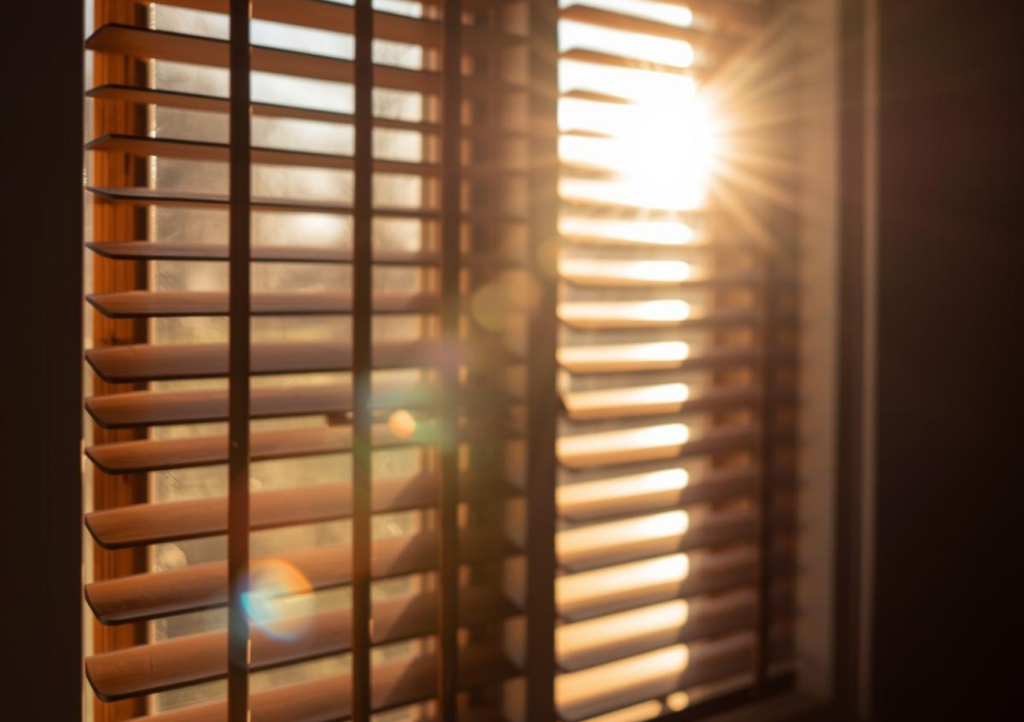
Yes, faux wood blinds are significantly superior to real wood blinds for beach houses and waterfront properties on Long Island. They resist moisture, humidity, warping, and the corrosive effects of salt air that quickly damage natural wood. For coastal homes throughout the Hamptons, North Fork, and waterfront communities across Nassau and Suffolk Counties, faux wood blinds offer the beauty of real wood without the maintenance headaches and premature deterioration.
Why Beach Houses Demand Moisture-Resistant Window Treatments
Long Island’s coastal climate presents unique challenges that make material selection critical for window treatments. Beach houses and waterfront properties in communities like Southampton, East Hampton, Montauk, Greenport, Port Washington, and Bay Shore experience constant exposure to salt-laden air that penetrates homes even when windows are closed. This salt air acts as a corrosive agent on hardware and accelerates moisture damage to organic materials like wood.
Real wood blinds absorb moisture from the humid summer air that blankets Long Island from June through September. This absorption causes the slats to swell, warp, and eventually crack. The expansion and contraction cycle—as humidity rises and falls—compromises the structural integrity of wood blinds within just a few seasons. Meanwhile, the salt content accelerates finish deterioration, causing peeling, discoloration, and an aged appearance that requires frequent refinishing or replacement.
The Faux Wood Advantage for Coastal Properties
Faux wood blinds are engineered specifically to withstand moisture and humidity without warping, cracking, or deteriorating. Manufactured from composite materials, vinyl polymers, or PVC, these blinds maintain their shape and appearance regardless of humidity levels. For beach houses where moisture is constant, this durability translates to window treatments that look new for years rather than months.
The material composition makes faux wood blinds impervious to salt air corrosion. While real wood absorbs salt particles that draw moisture and accelerate decay, faux wood’s non-porous surface simply wipes clean. This characteristic is invaluable for oceanfront properties in Bridgehampton, Sag Harbor, or Southold where salt spray can reach windows during storms and high winds.
Temperature and UV Stability
Long Island’s intense summer sun—particularly on south and west-facing windows—generates significant heat that compounds moisture problems in real wood blinds. The combination of heat, UV exposure, and humidity creates ideal conditions for wood degradation. Faux wood blinds resist UV damage better than real wood, maintaining their color and finish even in rooms flooded with sunlight. This makes them ideal for the expansive glass common in contemporary beach house architecture throughout the Hamptons and waterfront communities.
Room-Specific Applications in Beach Houses
Bathrooms and Kitchens: These high-humidity spaces require faux wood blinds exclusively. Real wood blinds will fail quickly in beach house bathrooms where shower steam combines with ambient coastal moisture. Faux wood blinds handle direct water exposure from shower spray near windows without damage.
Bedrooms: Faux wood blinds in beach house bedrooms provide the classic look homeowners desire while offering superior room darkening for those early summer sunrises when daylight begins before 5:30 AM. The moisture resistance ensures consistent operation throughout humid Long Island summers.
Living Areas with Water Views: Large windows and sliding glass doors showcasing water views benefit from faux wood blinds that won’t warp even when windows are left open to ocean breezes. The dimensional stability means smooth operation season after season.
Maintenance and Longevity Considerations
Faux wood blinds require minimal maintenance compared to real wood in coastal environments. Simple dusting or wiping with a damp cloth removes salt residue and accumulated dust. Real wood blinds demand specialized cleaning products, careful moisture avoidance, and periodic refinishing to combat the effects of coastal conditions.
The cost difference between faux wood and real wood blinds becomes negligible when considering replacement frequency. Real wood blinds in beach houses often require replacement every 3-5 years, while quality faux wood blinds maintain their appearance and functionality for 10-15 years or longer, representing substantial long-term savings.
Aesthetic Versatility for Beach House Style
Modern faux wood blinds convincingly replicate wood grain patterns and finishes, complementing both traditional Hamptons elegance and contemporary coastal design. Available in whitewashed, driftwood, and natural tones popular in beach house décor, faux wood blinds deliver authentic appearance without compromising performance. The material accepts various finishes that resist fading from UV exposure, maintaining color consistency that real wood cannot match in harsh coastal conditions.
Professional Installation and Custom Solutions
Long Island Custom Blinds specializes in helping waterfront and beach house owners throughout Nassau and Suffolk Counties select window treatments engineered for coastal performance. Our experience with properties from Massapequa to Montauk means we understand the specific challenges your windows face and can recommend solutions that balance aesthetics, durability, and function.
Whether you’re furnishing a classic Hampton’s cottage, a modern North Fork retreat, or a waterfront home in Glen Cove or Sayville, we provide custom-measured faux wood blinds designed to withstand Long Island’s unique coastal climate while enhancing your home’s beauty.
Ready to protect your beach house investment with window treatments built for coastal conditions? Contact Long Island Custom Blinds at https://longislandcustomblinds.com for a free in-home consultation. We’ll assess your specific windows, discuss your style preferences, and provide expert recommendations for faux wood blinds that will maintain their beauty and performance for years to come.