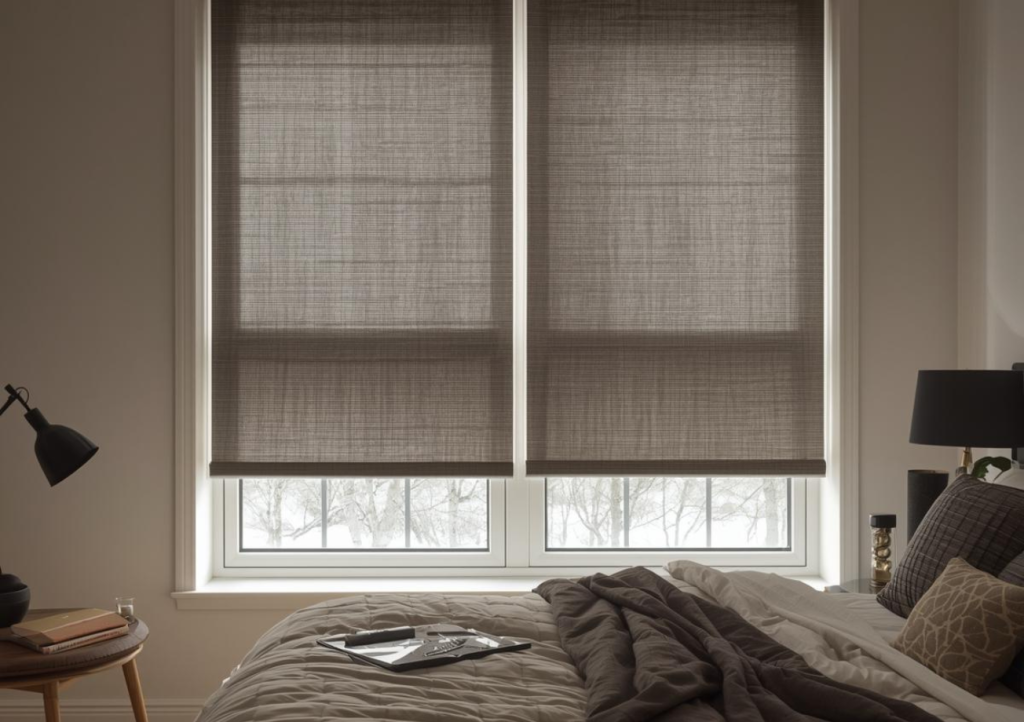
Light filtering shades soften and diffuse natural sunlight while maintaining visibility and a connection to the outdoors, making them ideal for living spaces where you want gentle illumination throughout the day. Room darkening shades block approximately 95-98% of incoming light, creating a dimmer environment perfect for media rooms and bedrooms while still allowing some light to seep around edges. Blackout shades take it further by blocking virtually 100% of light when properly installed, essential for shift workers, nurseries, or Long Island bedrooms facing those intense 5:30 AM summer sunrises.
Understanding Light Filtering Shades
Light filtering shades are designed with semi-transparent fabrics that gently diffuse sunlight, reducing glare while maintaining your view and connection to the outdoors. These shades create a soft, ambient glow throughout your room without the harsh directness of unfiltered sunlight. In Long Island homes—particularly those in Garden City, Manhasset, and Huntington—light filtering shades work beautifully in living rooms, dining areas, and kitchens where you want natural illumination without compromising comfort.
The fabric construction allows light to pass through while still providing daytime privacy from neighbors and street views. However, it’s important to understand that light filtering shades offer privacy primarily during daylight hours; at night when interior lights are on, silhouettes may be visible from outside. For Nassau County and Suffolk County homes with close neighbors or street-facing windows, consider layering light filtering shades with curtains or drapery for enhanced evening privacy.
Light filtering shades are particularly effective for protecting your home’s interior from Long Island’s intense UV exposure without completely blocking natural light. While they’re not as protective as solar shades or blackout options, quality light filtering fabrics still block a significant percentage of harmful UV rays that can fade hardwood floors, furniture, and artwork—especially critical for south and west-facing windows in communities like Port Washington, Roslyn, and the Hamptons.
Room Darkening Shades Explained
Room darkening shades are constructed with tightly woven, thicker fabrics or materials designed to block 95-98% of incoming light. They create a significantly dimmer environment compared to light filtering options, making them excellent for bedrooms, home theaters, and any space where you want substantial light control. In Suffolk County communities like Smithtown, Commack, and Babylon, homeowners frequently choose room darkening shades for bedrooms to combat those early summer sunrises that start before 5:30 AM.
The key distinction is that room darkening shades still allow some ambient light to filter through the fabric itself, and light can seep around the edges where the shade meets the window frame or wall. This small amount of light leakage differentiates them from true blackout solutions. Many Long Island homeowners find this slight illumination actually preferable—it allows them to wake more naturally with some morning light rather than in complete darkness.
Room darkening shades offer an excellent middle ground for spaces that need flexibility. A bedroom in Oyster Bay or Glen Cove might benefit from substantial light blocking for comfortable sleep while still allowing gentle morning light to gradually filter in. These shades also provide strong daytime and nighttime privacy, making them ideal for street-facing bedrooms, first-floor rooms, or homes with nearby neighbors in densely populated Nassau County areas.
Blackout Shades: Maximum Light Control
Blackout shades are engineered to block virtually 100% of light when properly installed with edge seals or mounted in channels that prevent light gaps. These shades utilize special backing materials, multiple layers, or foam-backed fabrics that create an impenetrable barrier to sunlight. For Long Island shift workers, parents of young children, or anyone requiring complete darkness for quality sleep, blackout shades are the ultimate solution.
The effectiveness of blackout shades depends significantly on proper installation. An inside-mounted blackout shade without light-blocking side channels will still allow light to seep around the edges. For true blackout performance in Hamptons beach houses, Montauk waterfront properties, or any Long Island bedroom facing eastern exposure, consider outside-mounted blackout shades installed directly to the wall with minimal gaps, or specialized blackout systems with side tracks.
Beyond sleep quality, blackout shades offer substantial energy efficiency benefits for Long Island homes. By creating an insulating barrier at your windows, they help reduce cooling costs during brutal summer months and heating bills during cold winters. This is particularly valuable for older housing stock throughout Nassau and Suffolk Counties, including classic colonials in Rockville Centre, ranch homes in Plainview, and Cape Cods in Patchogue.
Choosing the Right Option for Your Long Island Home
Selecting between light filtering, room darkening, and blackout shades depends on each room’s specific function and your lifestyle needs. Living rooms, dining areas, home offices, and kitchens in Great Neck, Syosset, and Jericho typically benefit from light filtering shades that maintain a bright, welcoming atmosphere while reducing glare on screens and providing daytime privacy.
Bedrooms present the most common decision point. Consider your sleep preferences, room orientation, and seasonal challenges. East-facing bedrooms in Sayville or Southampton receive intense morning sun, making room darkening or blackout shades nearly essential. North-facing bedrooms might function perfectly well with light filtering options. Guest bedrooms might benefit from room darkening shades that accommodate various guest preferences without the complete darkness of blackout treatments.
Media rooms, home theaters, and nurseries almost universally benefit from blackout solutions. For screening rooms in Locust Valley estates or nurseries in Old Westbury homes, the ability to control light completely ensures optimal functionality. Similarly, shift workers throughout Long Island who need to sleep during daylight hours will find blackout shades essential for quality rest.
Material and Style Considerations
All three light control levels—light filtering, room darkening, and blackout—are available in various shade styles including roller shades, cellular/honeycomb shades, Roman shades, and pleated shades. Roller shades offer sleek, minimalist aesthetics perfect for contemporary Long Island homes and beachfront properties in East Hampton or Bridgehampton. Cellular shades provide superior energy efficiency with their honeycomb construction, ideal for reducing energy costs in both summer and winter.
For waterfront properties in Cold Spring Harbor, Northport, or Greenport, consider moisture-resistant materials regardless of your light control preference. Many modern shade fabrics are designed to withstand Long Island’s humidity and salt air exposure without warping, fading, or corroding. When selecting blackout cellular shades, look for models with side channels or special edge seals that maximize light blocking while maintaining the energy-efficient benefits of the honeycomb construction.
Color and fabric opacity within each category also affect light control and aesthetics. Lighter colored light filtering shades reflect more heat and light than darker options, making them ideal for south and west-facing windows in Hauppauge, Islip, or Bay Shore that experience intense afternoon sun. Conversely, darker room darkening shades can absorb heat, which might be less desirable for already warm Long Island summer rooms.
Smart Home Integration and Motorization
Motorized light filtering, room darkening, and blackout shades offer exceptional convenience and enhanced functionality for Long Island homes. Program shades to automatically lower during peak afternoon sun hours to reduce cooling costs, or schedule bedroom blackout shades to open gradually in the morning to simulate a natural sunrise—particularly valuable during those dark winter months when seasonal affective disorder can impact mood and energy.
Smart motorization integrates seamlessly with home automation systems throughout Nassau and Suffolk County properties, allowing you to control shades via smartphone apps, voice commands through Alexa or Google Home, or automated schedules. For multi-story colonials in Garden City or modern beach houses in Sag Harbor with hard-to-reach windows, motorization eliminates the hassle of manual operation while providing precise light control throughout the day.
Schedule Your Free Long Island Consultation
The difference between light filtering, room darkening, and blackout shades significantly impacts your daily comfort, sleep quality, energy efficiency, and home aesthetics. At Long Island Custom Blinds, we help homeowners throughout Nassau County and Suffolk County select the perfect light control solution for every room and window in their home.
Contact Long Island Custom Blinds today at https://longislandcustomblinds.com to schedule your complimentary in-home consultation. We’ll assess your windows, discuss your lifestyle needs and light control preferences, and provide expert recommendations with upfront pricing. Serving all Long Island communities from the North Shore to the Hamptons, we’re your local window treatment experts committed to exceptional products, professional installation, and outstanding customer service.