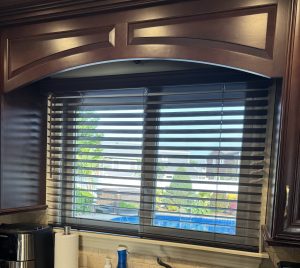
Do You Have Moisture-Resistant Options for Bathrooms and Kitchens? Humidity-Proof Window Treatments

Bathrooms and kitchens create challenging environments for window treatments with steam from showers, cooking moisture, and occasional splashes threatening to warp, discolor, or damage many materials. Choosing products specifically engineered to handle humidity prevents costly replacements and ensures your treatments maintain appearance and function despite constant moisture exposure.

The Short Answer: Specialized Moisture-Resistant Products

Long Island Custom Blinds offers extensive moisture-resistant options designed specifically for humid environments. We carry faux wood blinds, vinyl roller shades, and specialty fabrics engineered to handle humidity and everyday splashes in bathrooms, laundry rooms, and busy kitchens.

These aren’t standard products marketed as moisture-resistant—they’re materials and constructions specifically manufactured to resist warping, mildew, discoloration, and deterioration even with regular exposure to steam and moisture. During consultation, we identify which rooms need moisture-resistant solutions and recommend appropriate products for each space.

Why Moisture Resistance Matters

Standard window treatments suffer predictable damage when exposed to regular moisture and humidity.

Wood blinds absorb moisture causing slats to warp, expand, and eventually crack. Once warped, they won’t close properly and create unsightly gaps. Fabric shades develop mildew, mold, and permanent staining when exposed to steam repeatedly. Standard cellular shades trap moisture in their honeycomb structure, creating perfect conditions for mold growth you can’t even see or clean.

Metal components rust when exposed to humidity, leaving stains on surrounding surfaces and compromising operation. Adhesives and mounting hardware deteriorate faster in moist environments, leading to treatments falling or sagging. Paint and stains on wood products bubble, peel, or discolor from moisture exposure.

The financial impact extends beyond replacement costs. Moldy or mildewed treatments create health concerns, especially for family members with allergies or respiratory sensitivities. Water-damaged treatments look terrible, undermining your investment in home aesthetics.

Moisture-resistant products avoid these problems entirely through material selection and engineering designed specifically for humid environments.

Faux Wood Blinds: Top Choice for Wet Areas

Faux wood blinds represent the most popular moisture-resistant option for bathrooms and kitchens, combining practicality with attractive appearance.

These blinds are constructed from composite materials or polymer that look remarkably like real wood but won’t absorb moisture. They maintain their shape and appearance even with direct steam exposure or occasional splashes. The slats won’t warp, swell, or crack regardless of humidity levels, and they clean easily with a damp cloth.

Faux wood advantages in moisture-prone areas:

They’re completely waterproof unlike real wood, resist mildew and mold growth, maintain appearance for years despite humidity, offer adjustable slats for precise light and privacy control, and come in various colors matching cabinetry and fixtures. The materials also resist discoloration from moisture, maintaining their finish even in bathrooms with poor ventilation.

Many homeowners initially prefer real wood aesthetics but switch to faux wood after understanding the practical benefits. Modern faux wood products look so convincing that guests rarely notice the difference, while you enjoy peace of mind knowing your treatments won’t deteriorate from moisture.

Moisture-Resistant Shades and Fabrics

Beyond blinds, several shade types work well in humid environments when manufactured with appropriate materials.

Vinyl roller shades provide excellent moisture resistance with smooth, nonporous surfaces that don’t absorb humidity. These shades clean easily, resist mildew completely, and offer various opacity levels from sheer to blackout. Their simple design suits modern aesthetics while providing practical function in wet areas.

Outdoor fabric shades designed for exterior use naturally excel indoors around moisture. These fabrics resist fading, mildew, and water damage while offering sophisticated appearance appropriate for interior spaces. They work particularly well in steamy bathrooms or kitchens with high cooking moisture.

Certain cellular shades now feature moisture-resistant fabrics and coatings that prevent mold growth while maintaining the energy efficiency cellular construction provides. These specialized products cost more than standard cellular shades but deliver their insulating benefits even in bathrooms.

The key is selecting fabrics and materials specifically rated for moisture exposure rather than assuming any shade will work in humid environments.

What to Avoid in Humid Environments

Understanding which products fail in moisture helps prevent expensive mistakes.

Never use in bathrooms or steamy kitchens: Real wood blinds that absorb moisture and warp quickly, fabric Roman shades unless specifically rated moisture-resistant, standard cellular shades that trap moisture and grow mold, untreated fabric drapery that develops mildew, and natural fiber woven wood shades that deteriorate from humidity.

Metal blinds might seem moisture-proof, but aluminum and steel both corrode in humid environments. While they resist warping, rust stains and deteriorating operation make them poor choices for bathrooms despite initial appearance of suitability.

Room-Specific Recommendations

Different moisture levels require different approaches.

Full bathrooms with showers or tubs generate significant steam requiring maximum moisture resistance. Faux wood blinds provide the most reliable solution, operating smoothly despite regular steam exposure. Vinyl roller shades offer modern alternatives with complete waterproof properties.

Powder rooms with sinks but no showers face less extreme moisture and can accommodate wider product range. While faux wood remains excellent, these spaces sometimes allow moisture-resistant fabric shades that wouldn’t survive full bathroom conditions.

Kitchens deal with cooking steam, grease, and temperature fluctuations. Faux wood blinds handle these conditions excellently and clean easily when cooking residue accumulates. Solar shades with moisture-resistant fabrics provide alternatives that filter light while resisting humidity and cleaning easily.

Laundry rooms combine heat, moisture from dryers, and potential water exposure. Faux wood blinds again prove most practical, resisting humidity while tolerating occasional detergent splashes or moisture from wet clothes.

Red Flags: Products Marketed Incorrectly

Some companies misrepresent standard products as moisture-appropriate to make sales.

Warning signs include: Claims that any wood blinds work fine “if you just wipe them down,” suggesting standard fabric shades are “basically moisture-resistant,” promoting metal blinds without discussing rust potential, or inability to explain specifically what makes products moisture-resistant.

Quality providers clearly distinguish between truly moisture-resistant products and those requiring dry environments. We explain exactly why recommended products suit humid conditions rather than making vague claims.

Maintenance for Moisture-Prone Areas

Even moisture-resistant treatments benefit from appropriate care.

Wipe faux wood blinds monthly with damp cloth to remove any residue before it accumulates. Run bathroom exhaust fans during and after showers to minimize steam exposure. Keep windows slightly open when possible to improve ventilation. Clean vinyl shades regularly to prevent soap scum buildup in bathrooms.

Proper ventilation significantly extends the life of any window treatment, even moisture-resistant options. The less time treatments spend in steamy environments, the better they maintain appearance and function.

Bottom Line: Specialized Products Prevent Moisture Damage

Long Island Custom Blinds provides truly moisture-resistant window treatments engineered for humid environments rather than standard products incorrectly marketed as suitable for wet areas.

Our moisture-resistant options:

  • Faux wood blinds completely waterproof and warp-resistant
  • Vinyl roller shades with nonporous surfaces
  • Outdoor-rated fabrics for extreme moisture resistance
  • Specialized cellular shades with moisture protection
  • Easy-clean surfaces for bathrooms and kitchens

Don’t risk standard products in humid areas hoping they’ll survive. Invest in appropriate moisture-resistant solutions that maintain appearance and function despite steam, splashes, and everyday humidity.

Next Steps: Protect Your Investment

Ready for window treatments that handle moisture properly?

  1. Schedule your free consultation to assess humid areas
  2. Discuss moisture levels in bathrooms, kitchens, and laundry rooms
  3. See moisture-resistant product samples
  4. Choose solutions engineered for your environment

Visit longislandcustomblinds.com or call directly. We’ll recommend truly moisture-resistant products for bathrooms, laundry rooms, and kitchens—treatments that maintain beauty and function despite humidity and splashes.


Do You Handle Installation as Well? What Professional Installation Really Means

Ordering custom window treatments online seems convenient until the boxes arrive and you realize installation requires precision tools, mounting expertise, and troubleshooting skills most homeowners don’t possess. Understanding what professional installation includes helps you avoid costly mistakes and ensures your investment functions properly from day one.

The Short Answer: Complete Installation Service

Long Island Custom Blinds handles everything from initial measurement through final installation. Our team professionally mounts your blinds, shades, shutters, and drapery, ensuring correct operation before we leave your home.

We take precise measurements during consultation, order custom-made treatments to exact specifications, schedule installation at your convenience, mount everything correctly with proper hardware, test full operation of every treatment, and make necessary adjustments on the spot. We don’t consider the job finished until everything fits perfectly and operates smoothly.

Why Professional Installation Matters

Custom window treatments represent a significant investment. Professional installation protects that investment and ensures you get the performance you paid for.

Even slightly crooked blinds create visual distraction and operational issues. Treatments mounted too shallow won’t clear window cranks, while those mounted too deep interfere with opening windows. Professional installers assess these factors instantly based on thousands of prior installations.

Different window materials require specific mounting hardware. Drywall needs anchors, old plaster demands different techniques than new construction, and metal window frames require specialized screws. Using wrong hardware leads to sagging, falling treatments, or damaged walls.

Professional installers test every function—raising, lowering, tilting, drawing—before leaving. If anything binds, scrapes, or operates roughly, we adjust it during installation rather than leaving you to troubleshoot later.

What Our Installation Process Includes

We confirm your order details and schedule a convenient installation time, arriving with all necessary tools and hardware. Our installers carefully mount brackets using appropriate hardware for your wall type, hang treatments with precision leveling, test all operating mechanisms, and adjust tension and alignment as needed.

Before we leave, we provide:

  • Demonstration of proper operation for each treatment
  • Explanation of care and maintenance requirements
  • Answers to your questions about functionality
  • Confirmation of your complete satisfaction

We don’t rush installations. Most homes take several hours depending on the number of windows, but we allocate whatever time needed to do the job right.

DIY vs. Professional Installation: Reality Check

Many homeowners underestimate installation complexity. DIY installation requires multiple specialized tools, understanding of wall construction, ability to work overhead while maintaining precision, problem-solving skills when treatments don’t fit as expected, and significant time investment. Inexperienced installers typically spend 30-90 minutes per window with variable results.

Professional installation provides all necessary tools and expertise, experience with thousands of installations, quick identification and resolution of unexpected issues, guaranteed proper operation, and typically 15-30 minutes per window with superior results.

The time savings alone often justifies professional installation, but the quality difference is even more significant. Professionals catch and correct issues immediately that DIY installers might struggle with for hours.

Common Installation Problems We Prevent

Experience allows us to avoid mistakes that plague inexperienced installers.

Mounting height errors: Treatments mounted too high look awkward, while those mounted too low interfere with window operation and furniture. We position treatments for optimal aesthetics and function based on your room’s specific characteristics.

Hardware selection failures: Wrong screws pull out of walls, especially in older homes with plaster or homes with metal studs. We assess wall construction and select appropriate hardware before mounting anything.

Operational issues: Treatments that bind, tilt unevenly, or operate roughly indicate installation problems. We adjust during installation, ensuring smooth operation before we leave.

Insufficient bracket support causes sagging with wide windows, while too many brackets create unnecessary holes. We calculate proper spacing based on treatment type and window width.

Our Quality Standards and Guarantees

Professional installation comes with accountability that DIY installation can’t provide. If treatments don’t operate smoothly after installation, we return to correct the issue at no additional charge. This guarantee covers workmanship and gives you peace of mind that initial installation is done right.

Our installers use drop cloths, clean up all debris, and repair any accidental damage to walls or trim. We treat your home with respect and leave it cleaner than we found it. If mounting brackets loosen or treatments operate poorly due to installation issues, we make it right.

Red Flags: Installation Service Warning Signs

Watch for these problematic approaches:

  • Subcontracted installation creating accountability problems between seller and installer
  • Rush jobs where installers schedule too many appointments and sacrifice quality
  • Additional charges after agreement without discussing unexpected issues first
  • Lack of testing before leaving your home
  • Poor cleanup leaving debris and scattered materials

Reputable companies discuss any unexpected issues before proceeding and thoroughly test every treatment during installation.

Installation Timeline Expectations

Custom window treatments typically take two to four weeks from order to installation, depending on product type and manufacturer lead times. Most residential installations take three to six hours depending on the number of windows and treatment complexity.

We work around your schedule, offering various appointment times including some weekend availability. You or another adult should be home during installation to address any questions that arise.

Bottom Line: Professional Installation Protects Your Investment

Long Island Custom Blinds provides comprehensive installation service because proper mounting and adjustment require expertise most homeowners don’t possess. Custom window treatments cost too much to risk improper installation. Professional service ensures your investment functions correctly, looks perfect, and lasts for years.

Complete installation service includes:

  • Professional mounting with appropriate hardware
  • Precision leveling and alignment
  • Thorough operational testing
  • On-the-spot adjustments
  • Complete cleanup
  • Satisfaction guarantee before we leave

Next Steps: Schedule Complete Service

Ready for hassle-free window treatment installation?

  1. Schedule your free in-home consultation for measurements and product selection
  2. We’ll order custom-made treatments to your exact specifications
  3. Our professional team installs everything correctly
  4. Enjoy perfectly functioning window treatments without DIY stress

Visit longislandcustomblinds.com or call directly. We handle everything from measurement to professional installation—you never touch a drill, climb a ladder, or worry whether treatments will operate correctly. We don’t leave until everything fits and functions the way it should.


Can You Help with Large or Unusually Shaped Windows? Custom Solutions for Challenging Windows

Standard rectangular windows are easy to cover, but what happens when your home features a dramatic wall of windows, elegant arched openings, or a beautiful bay window that adds architectural character? Big-box stores stock limited sizes that leave homeowners with challenging windows searching for solutions that actually fit.

The Short Answer: Specialized Custom Solutions

Long Island Custom Blinds specializes in custom window treatments for any window configuration. We design solutions for wide sliders, bay windows, arches, and other non-standard sizes that standard retailers can’t accommodate.

Because everything we provide is made-to-measure, we’re never limited by stock sizes or standard configurations. We measure your exact window dimensions and specifications, then order treatments manufactured specifically for your unique openings. Whether your windows are oversized, unusually shaped, or architecturally distinctive, we create functional and beautiful solutions.

Why Big-Box Stores Can’t Handle Unusual Windows

Understanding retail limitations helps explain why custom solutions are often your only viable option.

Standard retailers stock pre-manufactured sizes designed to fit the most common window dimensions. They might offer products in 24-inch, 36-inch, or 48-inch widths, expecting customers to find something close enough. This approach works for basic rectangular windows in standard sizes but fails completely with unusual configurations.

Limitations of stock products include: Maximum width restrictions that can’t span wide windows, inability to accommodate non-rectangular shapes, limited mounting options that don’t work with architectural features, and no customization for multi-window configurations like bay windows. These retailers also lack the expertise to assess complex installations and recommend appropriate solutions.

Custom window treatment providers measure precisely, order products manufactured to exact specifications, recommend appropriate products for specific challenges, and provide professional installation that ensures proper function despite complexity.

Wide Windows and Sliding Doors: Specialized Solutions

Large expanses of glass create unique coverage challenges that require specialized products and installation techniques.

Windows spanning eight, ten, or twelve feet wide need treatments engineered to support their own weight without sagging. Standard products designed for typical window widths fail when stretched across large openings. We use products specifically engineered for wide spans, including additional support brackets, reinforced headrails, and appropriate operating systems that function smoothly despite the size.

Best solutions for wide windows:

Vertical blinds with updated contemporary fabrics operate smoothly across sliding doors and wide windows. Sliding panel systems offer modern alternatives with large fabric panels that glide on tracks. Motorized shades eliminate the difficulty of manually operating treatments across expansive windows. For very wide openings, we sometimes recommend splitting the coverage into multiple coordinated sections that operate independently while appearing cohesive.

The key is selecting products rated for your specific width and ensuring proper support during installation. We’ve covered windows exceeding fifteen feet wide with treatments that operate reliably and maintain appearance without sagging.

Bay and Bow Windows: Multi-Section Coordination

Bay and bow windows create beautiful architectural features but challenge window treatment design with their angled configurations.

These multi-section windows require either individual treatments for each window section or continuous treatments that accommodate the angles. Individual treatments allow independent operation of each section, with options including blinds, shades, or shutters mounted in each window. This approach provides maximum flexibility but creates multiple separate elements.

Continuous treatments span the entire bay or bow configuration, creating unified appearance. Custom curved rods for drapery follow the window curve, flexible track systems accommodate angles while supporting panels or shades, and specialty hardware designed specifically for bay windows ensures smooth operation.

During consultation, we assess your bay or bow window configuration, discuss your preferences for individual versus continuous coverage, recommend products that suit the specific angles, and design mounting solutions that work with available space. Each bay window is unique, requiring customized approach based on the angle of sections, depth of window seat if present, and your functional priorities.

Arched and Angled Windows: Specialty Shape Solutions

Arched windows, angle-top windows, and other non-rectangular shapes showcase architectural beauty but need specialized coverage solutions.

Arch window options include:

Specialty arched shutters custom-made to follow your arch curve provide permanent, elegant solutions. Sunburst shades designed specifically for arch shapes mount inside the arch and operate with specialty hardware. Some homeowners prefer covering only the rectangular bottom portion while leaving the decorative arch exposed, creating functional privacy while celebrating the architectural feature.

Angled windows including triangular, trapezoid, and other geometric shapes require treatments manufactured to exact specifications with custom hardware and mounting solutions. We template unusual shapes to ensure perfect fit and identify mounting locations that provide adequate support.

The approach depends on whether the unusual shape is decorative or functional. Purely decorative shapes might not need coverage, while functional windows require both coverage and easy operation.

Other Non-Standard Window Challenges

Beyond size and shape, other window characteristics create coverage challenges.

Deep window recesses where windows sit far back in walls require extra-long mounting brackets or inside-mount solutions with sufficient depth. Windows with cranks or handles need treatments that clear operating mechanisms while still providing adequate coverage. Windows at unusual heights including very high windows or those near floor level require specialized operating systems like motorization for accessibility.

Grouped windows where multiple windows sit close together need coordinated coverage that functions independently or together depending on your needs. Windows with obstructions including ceiling fans, light fixtures, or architectural elements require creative mounting solutions that work around constraints.

Each challenge has solutions when working with custom manufacturers and experienced installers. During consultation, we identify potential issues and design around them before ordering products.

The Made-to-Measure Advantage

Custom manufacturing transforms impossible situations into perfect solutions.

Off-the-shelf products come in predetermined sizes forcing you to compromise on fit, function, or appearance. Made-to-measure products are manufactured to your exact dimensions ensuring perfect fit with no gaps, designed around your specific obstacles and constraints, built with appropriate support for your window size, and equipped with operating systems suited to your configuration.

The process involves precise professional measurement accounting for every fraction of an inch, assessment of mounting options considering your specific situation, recommendation of products engineered for your dimensions, and manufacturing to your specifications rather than forcing standard products into non-standard situations.

While custom products cost more than stock items, the price difference reflects actual solutions versus compromised coverage that never works properly.

Red Flags: When Companies Can’t Handle Complex Windows

Warning signs include: Quick dismissal of your window challenges without assessment, recommendations for standard products clearly too small, suggestions to “just leave it uncovered,” lack of questions about specific window configurations, inability to explain how products will be mounted, or pressure to choose simpler windows instead of addressing actual needs.

Quality companies ask detailed questions about challenging windows, take extensive measurements and photos, discuss multiple potential solutions, and explain exactly how products will be mounted and operated. Complexity excites professional custom providers rather than discouraging them.

Bottom Line: Challenging Windows Need Custom Expertise

Long Island Custom Blinds specializes in finding solutions for windows that confound standard retailers. Our made-to-measure approach and partnerships with quality manufacturers allow us to design functional, beautiful treatments for any window configuration.

We handle: Wide windows and sliding doors exceeding standard dimensions, bay and bow window multi-section configurations, arched and angled specialty shapes, deep recesses and unusual mounting challenges, windows with obstructions or accessibility issues, and grouped or closely spaced window combinations.

Don’t settle for “close enough” coverage that leaves gaps, sags, or fails to operate properly. Custom solutions ensure your unique windows receive treatments that fit perfectly and function beautifully.

Next Steps: Get Solutions for Your Unique Windows

Ready to cover those challenging windows properly?

  1. Schedule your free in-home consultation for precise assessment
  2. We’ll measure your exact window configurations
  3. Discuss custom solutions designed specifically for your needs
  4. Receive professional installation ensuring perfect fit and function

Visit longislandcustomblinds.com or call directly. We specialize in custom window treatments for windows big-box stores can’t handle—from wide sliders to elegant arches, we create made-to-measure solutions that fit perfectly.


Can You Help Me Choose the Right Style for Each Room? Your Room-by-Room Guide

Choosing window treatments for an entire home feels overwhelming when your kitchen needs something practical, your bedroom requires blackout capability, and your living room deserves a designer touch. Professional guidance eliminates guesswork and creates cohesive style throughout your home while meeting each room’s specific functional requirements.

Why Professional Style Guidance Matters

Different rooms serve different purposes, and window treatments should reflect these functional differences while maintaining visual consistency. The challenge is that every room has unique lighting conditions, privacy needs vary dramatically, moisture levels affect product durability, and budget allocation across multiple rooms requires strategy.

Professional guidance provides expert assessment of your specific situation, product knowledge that prevents costly mistakes, and cohesive design that makes your home feel intentionally decorated rather than haphazardly covered.

How We Assess Each Room During Consultation

We evaluate multiple factors for every space in your home. We look at natural light intensity and direction, how sunlight moves through rooms during the day, and whether you need to preserve, filter, or block light. We consider your existing color palette and furniture style, room size and ceiling height, and overall design aesthetic.

Privacy requirements depend on distance from neighboring properties, first-floor versus upper-floor locations, and how you use each space. We also factor in moisture exposure, child and pet safety needs, ease of operation preferences, and maintenance tolerance. This comprehensive assessment ensures recommendations solve actual problems rather than imposing predetermined solutions.

Kitchen Window Treatment Recommendations

Kitchens demand practicality without sacrificing style. Cooking grease, airborne particles, moisture from cooking, and the need for natural light create specific challenges.

Best kitchen options include:

  • Faux wood blinds that resist moisture and wipe clean easily
  • Solar shades that allow natural light while reducing glare
  • Roller shades with vinyl or coated fabrics for minimal maintenance

Avoid fabric drapery near cooking areas, untreated wood blinds that absorb moisture and odors, and treatments requiring frequent deep cleaning. Kitchen windows need solutions that operate easily even with wet or dirty hands and maintain their appearance despite the harsh environment.

Bedroom Solutions for Sleep and Privacy

Bedrooms prioritize rest, privacy, and temperature control. Light blocking for quality sleep, complete privacy during all hours, and sound dampening make bedrooms unique.

Blackout cellular shades provide complete darkness for optimal sleep while offering insulation properties that regulate temperature. Plantation shutters deliver adjustable louvers for flexible light control with excellent insulation and timeless elegance. For luxury aesthetics, layered treatments combining blackout shades with drapery offer maximum insulation, sound dampening, and hotel-like sophistication.

Master bedrooms often justify higher investment in premium treatments, while guest rooms balance quality with budget considerations. The key is ensuring whatever you choose blocks light completely and provides privacy without compromise.

Living Room Aesthetics and Functionality

Living rooms showcase your home’s style while serving multiple functions. These spaces need visual impact, flexible light control for various activities, furniture protection from sunlight, and balance between entertaining and relaxation.

Custom drapery creates floor-to-ceiling elegance with thousands of fabric options for personalization. Plantation shutters provide architectural enhancement while increasing home value. Roman shades offer sophisticated appearance with variety in fold styles and fabrics, working alone or layered with drapery.

Large windows including bay windows, picture windows, and sliding doors require specialized solutions that maintain proportions and ensure smooth operation across wide spans.

Bathroom Moisture and Privacy Considerations

Bathrooms need moisture resistance and complete privacy without feeling cave-like. High humidity, direct water exposure, and mold prevention requirements make product selection critical.

Recommended bathroom solutions:

  • Faux wood blinds that are waterproof, mildew-resistant, and won’t warp from moisture
  • Vinyl roller shades with moisture-impervious materials and simple operation
  • Top-down/bottom-up cellular shades that lower for privacy while allowing light through upper portions

Window location matters significantly. Ground-floor bathrooms need complete privacy coverage, while upper-floor bathrooms can often use light-filtering options that maintain some transparency.

Kids’ Rooms: Safety and Durability First

Children’s rooms require safety-first thinking with durability and function close behind. Child safety with cordless operation is non-negotiable, along with durability against rough handling, room-darkening for nap times, and easy cleaning after inevitable messes.

Cordless cellular shades eliminate strangulation risks while providing blackout options for sleep schedules. Cordless faux wood blinds prove extremely durable against impacts and easy to clean. Motorized roller shades eliminate all cords completely with remote operation that keeps controls out of reach.

All products should meet current child safety standards, with cordless and motorized options strongly recommended for nurseries and young children’s rooms. Age-appropriate design that grows with children prevents needing replacement as they mature.

Creating Cohesive Flow Throughout Your Home

Individual rooms need appropriate treatments, but your home should feel intentionally designed. Select a primary neutral palette visible from main sightlines, use accent colors in private spaces, and maintain consistency in shared areas. Consider what’s visible from room to room when making color decisions.

Material consistency helps tremendously—using the same product type in similar rooms, complementary materials in adjacent spaces, and quality consistency throughout. Style continuity means modern homes benefit from clean-lined treatments throughout, while traditional homes can mix wood blinds and classic drapery successfully.

Visual tricks include mounting treatments at consistent heights, using similar colors on street-facing windows, and coordinating hardware finishes with existing door hardware. During consultation, we photograph your spaces and show samples in adjacent rooms to ensure recommendations create a cohesive whole.

Red Flags: One-Size-Fits-All Approaches

Beware companies that recommend identical products for every room. Warning signs include “these work in every room” claims, ignoring moisture and safety concerns, not asking about room usage patterns, and pushing inventory rather than solving problems.

Questions that reveal expertise include asking how they account for kitchen moisture, what’s safest for a nursery, how to prevent bedroom light leakage, which products add home value, and how to maintain style consistency. Detailed, room-specific recommendations demonstrate genuine experience and concern for optimal results.

Bottom Line: Room-Specific Expertise Creates Beautiful Results

Long Island Custom Blinds provides comprehensive consultation addressing each room’s unique requirements while creating consistency throughout your home.

Our room-by-room approach covers:

  • Kitchens with moisture-resistant, easy-clean options
  • Bedrooms with light-blocking, insulating treatments
  • Living rooms featuring elegant, functional focal points
  • Bathrooms requiring waterproof privacy solutions
  • Kids’ rooms prioritizing safety-first, durable products
  • Whole-home cohesion through intentional design flow

Multiple room types in your project need specialized expertise for each space. Concerned about cohesive design? Professional guidance prevents mismatched results. Specific functional needs per room mean generic solutions fail in specialized spaces, while expert advice directs budget to highest-impact areas.

Next Steps: Get Personalized Recommendations

Ready to discover the perfect window treatments for each room?

  1. Schedule your free in-home consultation to assess every space
  2. Walk through your home with our expert discussing each room’s needs
  3. See product samples in the actual rooms where they’ll be installed
  4. Receive room-specific recommendations creating cohesive design

Visit longislandcustomblinds.com or call directly. We’ll help you choose the right style for every room—ensuring your kitchen stays practical, your bedrooms stay dark and peaceful, your living room makes a statement, and everything works together beautifully throughout your home.

Are Your Blinds and Shades Safe for Kids and Pets? Understanding Child-Safe Window Treatments

Window treatment cords pose serious strangulation risks to young children, with tragic accidents occurring when dangling cords create loops accessible to curious toddlers. Modern safety innovations eliminate these hazards, but many homeowners don’t realize cordless options exist or understand which operating systems truly protect children and pets.

The Short Answer: Safety-First Options Available

Long Island Custom Blinds offers numerous cordless and child-safe operating systems that eliminate dangling cords completely. During your consultation, we recommend the safest choices for nurseries, playrooms, and any areas where children or pets spend time.

Our safety-focused approach means we actively discuss cord-free options rather than waiting for you to request them. We explain the differences between various safe operating systems and help you choose solutions that protect your family while maintaining functionality and aesthetics.

Why Cord Safety Matters: Understanding the Risks

Window treatment cords have caused hundreds of child deaths and injuries over the past decades. Even with awareness campaigns, accidents continue because many homes still have older corded treatments or parents underestimate how quickly children can access cords.

The mechanism of danger: Continuous loop cords create openings where a child’s neck can become entangled. Pulling cords can wrap around necks when children play with them. Older operating systems with accessible cords pose risks even when shortened. Young children lack the strength or understanding to free themselves once entangled, and accidents can occur in moments when supervision lapses.

Beyond strangulation risks, dangling cords tempt children to pull on them, potentially damaging treatments or pulling them down entirely. Pets also tangle in cords, risking injury or destruction of your window treatments.

The solution is straightforward—eliminate cords entirely through cordless or motorized operating systems. These alternatives function reliably while removing all cord-related hazards.

Cordless Operating Systems Explained

Modern cordless systems operate smoothly without any external cords or chains.

Cordless lift systems allow you to raise or lower shades by simply pushing up or pulling down on the bottom rail. A tension mechanism holds the shade at any position you choose. These systems work exceptionally well for cellular shades, roller shades, and pleated shades. Operation is intuitive—even children can safely operate them under supervision since there are no cords to create hazards.

Continuous cord loop with tensioner systems move cords out of reach by routing them through a device that eliminates the dangerous loop. While not completely cordless, these systems meet current safety standards by removing the strangulation risk. They work well for heavier treatments that benefit from chain operation but can be made safe through proper installation.

Top-down/bottom-up cordless systems provide the flexibility to lower shades from the top or raise from the bottom without any cords. This allows light at the top while maintaining privacy at the bottom, all through simple pushing and pulling of the shade sections.

The key advantage of cordless systems is their simplicity. No cords mean no entanglement risk, nothing for pets to chew, and cleaner aesthetics without dangling elements.

Motorized Solutions: The Ultimate Safety Feature

Motorized window treatments eliminate all cords while adding exceptional convenience.

Battery-powered motors install inside the headrail with no visible cords or wiring. You operate treatments via remote control, wall switch, or smartphone app. These systems work perfectly in nurseries where silent operation won’t disturb sleeping babies, and the complete absence of cords provides maximum safety.

Motorization advantages beyond safety include: Easy operation of hard-to-reach windows, ability to program automated opening and closing schedules, integration with smart home systems, and effortless control of heavy or large treatments. For families with young children, motorization often proves worth the additional investment for the peace of mind it provides.

Many parents initially hesitate at motorization costs but reconsider when understanding the safety benefits and realizing that battery-powered options don’t require electrical work.

Room-Specific Safety Recommendations

Different rooms require different safety approaches based on how children and pets use the space.

Nurseries and children’s bedrooms demand the highest safety standards. We strongly recommend completely cordless or motorized treatments in these spaces. Blackout cellular shades with cordless lift provide darkness for quality sleep with zero cord hazards. Motorized roller shades offer quiet operation that won’t wake babies.

Playrooms and family rooms where children spend active time should feature durable, cordless treatments that withstand rough play. Faux wood blinds with cordless tilt offer durability and easy cleaning alongside safety. Cordless roller shades provide simple operation children can manage under supervision.

Kitchens and dining areas often have high-traffic patterns with children moving around frequently. Cordless faux wood blinds resist moisture and eliminate cord hazards. Motorized shades keep controls completely out of reach while providing convenient operation.

Living rooms and formal spaces may allow slightly more flexibility if children don’t spend unsupervised time there, but cordless options still make sense. Cordless plantation shutters provide child-safe elegance, while motorized drapery systems offer luxury without cord risks.

For homes with crawling babies or toddlers, we recommend cordless solutions in every room since young children explore everywhere and move faster than parents anticipate.

Pet Safety Considerations

While child safety focuses on strangulation prevention, pet safety addresses different concerns.

Cats and dogs both show interest in dangling cords, viewing them as toys. Cats climb cords and become entangled, while dogs chew on accessible cords and chains. Beyond injury risks to pets, cord damage requires expensive treatment replacement.

Pet-friendly window treatment features include: Cordless operation eliminating temptation, durable materials resisting claw damage, easy-clean surfaces for inevitable dirt and fur, and bottom rails weighted enough that pets can’t easily dislodge treatments.

For homes with particularly curious or destructive pets, motorized treatments keep all operating mechanisms completely out of reach. This protects both your pets and your investment in quality window treatments.

Red Flags: Unsafe Window Treatment Warning Signs

Avoid companies that:

  • Don’t proactively discuss safety options
  • Dismiss cord safety concerns as overblown
  • Pressure you toward corded treatments because they’re “cheaper”
  • Can’t explain current safety standards
  • Offer older-style continuous loop systems without tensioners

Quality window treatment providers prioritize child safety and discuss cordless options during every consultation involving families with young children. Safety isn’t an upsell—it’s a fundamental consideration.

Safety Standards and Certifications

Current industry standards address window treatment safety comprehensively. The Best for Kids certification program identifies products meeting rigorous safety testing. WCMA (Window Covering Manufacturers Association) standards require specific safety features on all new products.

All products we install meet or exceed current safety standards. For homes with young children, we recommend going beyond minimum standards by choosing completely cordless or motorized solutions rather than corded systems with added safety devices.

Bottom Line: Prioritize Safety Without Compromising Function

Long Island Custom Blinds offers extensive cordless and motorized options that protect children and pets while delivering excellent performance and aesthetics.

Child-safe options include:

  • Cordless cellular shades for nurseries
  • Motorized roller shades for complete safety
  • Cordless faux wood blinds for durability
  • Top-down/bottom-up systems for flexibility
  • Battery-powered motorization requiring no electrical work
  • Plantation shutters with no cord hazards

Don’t compromise your family’s safety with outdated corded systems when modern alternatives eliminate risks entirely. Cordless and motorized treatments cost slightly more initially but provide invaluable peace of mind.

Next Steps: Design Safe Solutions for Your Home

Ready to create a safer home environment?

  1. Schedule your free consultation to discuss safety needs
  2. We’ll assess rooms where children and pets spend time
  3. Demonstrate cordless and motorized operating systems
  4. Design comprehensive safety solutions for your entire home

Visit longislandcustomblinds.com or call directly. We’ll help you choose child-safe and pet-friendly window treatments that eliminate cord hazards while providing beautiful, functional coverage for every room.

Best Window Treatments for Humid Bathrooms and Kitchens

Humidity ruins standard window treatments faster than most homeowners expect. Choosing the wrong material for your bathroom or kitchen windows leads to warping, discoloration, mold growth, and premature failure. This guide explains which materials survive moisture exposure and which ones don’t.


Why Humidity Destroys Standard Window Treatments

Bathrooms and kitchens generate significantly more moisture than other rooms in your home. Hot showers create steam that saturates the air, while cooking produces grease-laden vapor that settles on nearby surfaces. Standard window treatments absorb this moisture, causing structural damage over time.

When humidity levels regularly exceed 50-60%, wood materials begin to swell and contract with each moisture cycle. This constant expansion and contraction breaks down the wood fibers, warps slats, and compromises the structural integrity of blinds and shutters. Within 2-3 years, you’ll notice visible damage that only worsens with continued exposure.

Key humidity damage signs:

  • Slats that won’t tilt smoothly or stay in position
  • Visible warping, cupping, or bowing of individual slats
  • Discoloration or water staining on the material
  • Mold or mildew growth in corners or between slats
  • Finish peeling, bubbling, or flaking off surfaces


Real Wood Blinds in Humid Spaces: When They Work (And When They Don’t)

Real wood blinds add warmth and natural beauty to any space, but they’re fundamentally incompatible with high-moisture environments. Even premium hardwoods treated with moisture-resistant finishes will eventually fail when exposed to consistent humidity levels above 60%.

The exception: half-baths or powder rooms without showers can accommodate real wood blinds successfully. These spaces lack the sustained moisture exposure that damages wood materials. If your bathroom includes a shower or bathtub that’s used regularly, avoid real wood entirely.

When to skip real wood:

  • Full bathrooms with showers or tubs
  • Kitchens located near stovetops or sinks
  • Rooms without adequate ventilation or exhaust fans
  • Windows directly adjacent to moisture sources
  • Coastal homes with naturally high humidity levels


Faux Wood Blinds: The Moisture-Resistant Solution

Faux wood blinds consist of composite materials engineered specifically to resist moisture damage. Modern faux wood products use vinyl, PVC, or polymer compounds that don’t absorb water, making them ideal for humid environments. They maintain their shape and finish even with daily steam exposure.

Quality faux wood blinds replicate the appearance of real wood so convincingly that most people can’t distinguish them from across the room. They’re available in various wood-grain textures and stain colors that coordinate with any décor style.

Faux wood advantages in humid rooms:

  • Zero moisture absorption prevents warping and swelling
  • Easy to clean with damp cloths without damaging the material
  • Resistant to mold and mildew growth
  • Maintain structural integrity for 10-15 years in bathrooms
  • Available in wood-grain patterns that mimic real wood aesthetics


Composite Materials: Advanced Humidity Protection

Composite window treatments represent the next evolution in moisture-resistant materials. These products combine multiple engineered materials to create window treatments that outperform both real wood and standard faux wood options in extreme conditions.

Premium composite shutters and blinds use materials like vinyl-coated wood cores, solid polymer construction, or advanced PVC formulations. They offer superior humidity resistance while maintaining the substantial feel and appearance of traditional wood products.

Composite material benefits:

  • Enhanced durability in coastal or tropical climates
  • Better insulation properties than standard faux wood
  • Heavier, more substantial feel than basic vinyl blinds
  • Superior color retention without fading from steam exposure
  • Longer warranties reflecting manufacturer confidence


Room-Specific Recommendations

Different humid spaces require tailored approaches based on moisture intensity and exposure patterns.

For master bathrooms with daily shower use: Choose faux wood or composite blinds positioned at least 36 inches from the shower enclosure. Install an exhaust fan on a timer to reduce ambient humidity levels. Consider cellular shades made from moisture-resistant fabrics as an alternative for maximum privacy.

For kitchens with active cooking: Faux wood blinds work well for most kitchen windows. If windows are positioned directly beside the stovetop or sink (within 24 inches), composite materials offer additional protection against grease accumulation and heat exposure. Avoid fabric treatments near cooking surfaces.

For powder rooms without showers: Real wood blinds are acceptable in these lower-moisture environments. However, faux wood remains the safer long-term choice and eliminates concerns about occasional humidity spikes.


Red Flags: Signs Your Current Window Treatments Are Failing

Replace your bathroom or kitchen window treatments immediately if you notice:

  • Slats that won’t stay tilted in position or drift slowly closed
  • Visible warping where slats curve upward or downward
  • White or gray spots indicating mold or mildew growth
  • Difficulty raising or lowering blinds due to swollen components
  • Discoloration spreading from edges toward the center
  • Peeling finish or exposed raw material beneath the coating
  • Musty odors emanating from the window treatments

These indicators signal that moisture has compromised the structural integrity. Continuing to use failing window treatments allows mold growth and creates health concerns.


Bottom Line Decision Framework

Choose faux wood blinds when:

  • Installing treatments in any full bathroom with shower or tub
  • Working with standard budgets for moisture-resistant solutions
  • Covering multiple windows in humid spaces
  • Seeking low-maintenance, long-lasting performance

Choose composite materials when:

  • Living in coastal areas with naturally high humidity
  • Upgrading to premium, long-term solutions
  • Seeking enhanced insulation properties alongside moisture resistance
  • Wanting the most durable option available for extreme conditions

Avoid real wood when:

  • Any regular moisture exposure is present
  • Room humidity regularly exceeds 55-60%
  • Installing near showers, tubs, or cooking surfaces


Next Steps for Your Humid Room Window Treatment Project

Start by assessing the moisture levels in your bathrooms and kitchens. Note which windows are closest to showers, tubs, or cooking areas. Schedule a consultation with window treatment specialists who understand moisture-resistant materials. Long Island Custom Blinds offers expert guidance on selecting the right materials for your specific humidity conditions and provides professional measurement and installation services.

Request physical samples of faux wood and composite materials to examine their weight, texture, and appearance in your actual space. Ensure any quotes include detailed warranty information specifically addressing moisture-related damage. Proper material selection now prevents costly replacements and gives you window treatments that perform beautifully for years despite challenging humidity conditions.